
Toolkits for invasive plants in Laikipia, Kenya

Many exotic plant species introduced to Laikipia County, Kenya, have escaped cultivation and threaten biodiversity. Little is currently known however, about the presence of invasive species or their impact. Without this type of information, it is unlikely that various stakeholders will take action to effectively manage this threat. This project…
Managing Maize lethal necrosis disease in eastern and central Africa
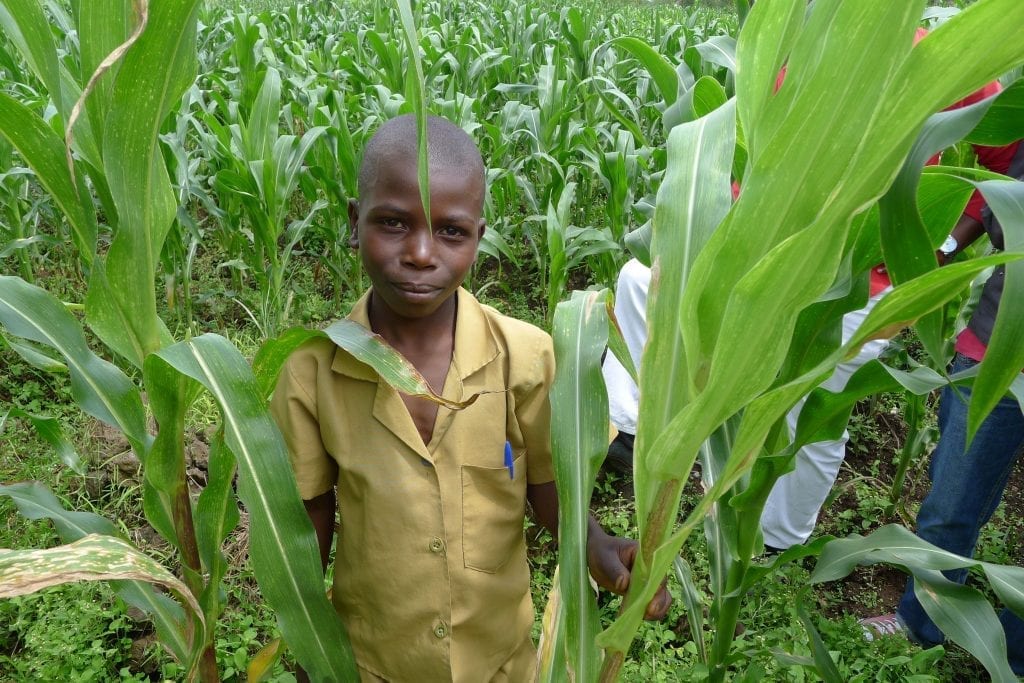
Maize lethal necrosis disease (MLND) negatively affects maize crops and their seeds and is threatening food and economic security in East and Central Africa. This project researched solutions to minimize or eliminate the risks and effects of the disease in the region. Through use of various channels to reach stakeholders…
mNutrition: Addressing hidden hunger through mobile messaging

One in three people in the developing world suffer from hidden hunger, or micronutrient deficiency, due to a lack of information on proper nutrition. This is a major cause of illness, poor growth, reduced productivity and impaired cognitive development. To help combat the problem, CABI and its partners in the…
Increasing rice production around the Mekong
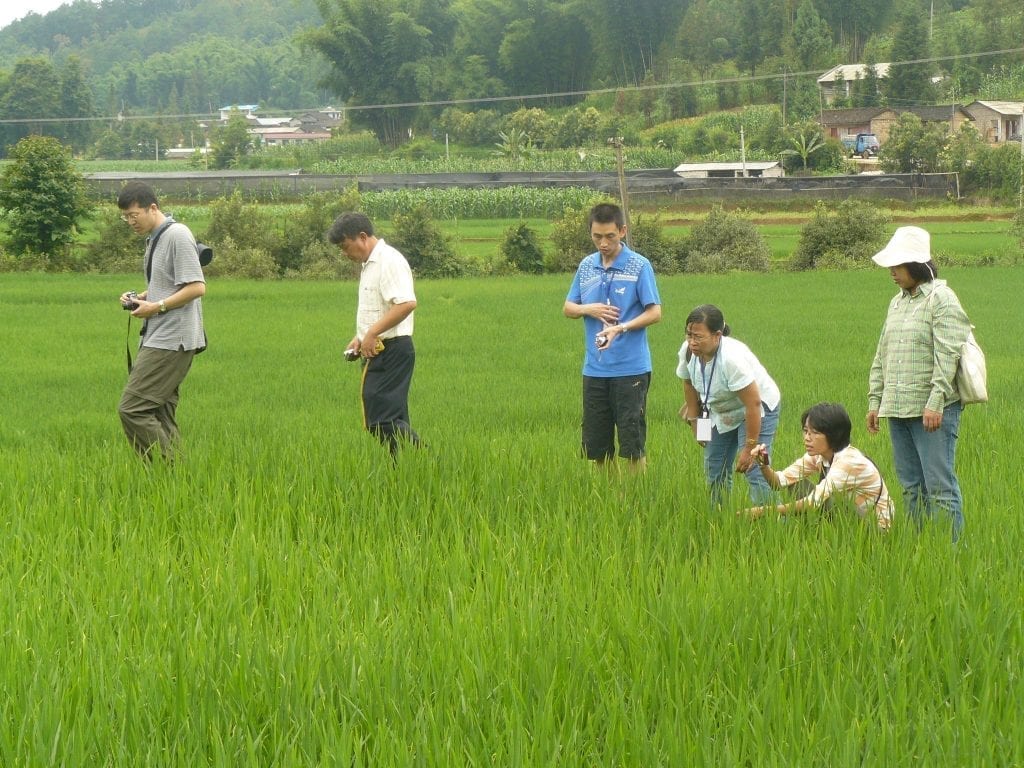
Rice is the most important crop in southwestern China, Laos and Myanmar. Despite recent improvements, productivity is still low with millions of tons lost to pests, diseases and weeds. Intensive pesticide use has led to insecticide resistance, outbreaks of secondary pests and damage to farmers' health. This project is introducing…
Partnership with DPR Korea’s Ministry of Agriculture

Agricultural production in DPR Korea is low, resulting in food shortages and the need for international aid. Ensuring food security is a priority for the government. We have helped the newly-established Department of Plant Protection to sustainably improve agricultural production by optimizing its ability to develop and implement plant protection…
Guaranteeing credit to coffee farmers in Ethiopia and Rwanda

Coffee is one of the largest traded commodities in the world, providing livelihoods for 25 million farming families, and is crucial to many countries GDP. In places such as Ethiopia and Rwanda, coffee plays a critical role in the economy and revitalising coffee production and quality is vital; allowing farmers…