
Safer crop production. Healthier food systems. Stronger market access.
Pesticides help protect crops and livelihoods. But higher-risk products and poor pesticide management can harm people, biodiversity, soil and water. They can also restrict access to agricultural markets.
Transitioning to safer crop protection requires effective alternatives, strong policies, reliable evidence, and practical support.
Providing solutions
We connect policy, research, and production to make pesticide risk reduction happen. Our science-based solutions promote Integrated Pest Management (IPM), reduce reliance on Highly Hazardous Pesticides (HHPs), increase access to lower-risk approaches (such as biopesticides and biological control) and improve pesticide management where pesticides remain necessary.
We help businesses across the value chain meet changing maximum residue levels, importing-market requirements and sourcing standards, reducing the risk of rejected consignments and protecting access to key markets.
We work globally with governments and regulators, donors and foundations, food and agriculture businesses, bioprotection and crop protection companies, and research organizations. This allows us to accelerate progress towards safer and more sustainable food systems.
Our pesticide risk reduction services

Policy and regulation
We assess pesticide policies, regulations, and institutional capacity, then identify practical priorities for reform. We strengthen regulatory expertise, plan transitions from HHPs where effective alternatives exist, improve pathways for registering lower-risk products, and advise on international standards, food safety and trade.
Research and innovation
We identify evidence gaps and develop practical solutions to reduce pesticide risks without compromising productivity. IPM is at the heart of our work. We prioritize preventative approaches, such as crop rotation and resistant varieties, that support the effective integration of biological control, bioprotection products, digital decision-support tools, and improved application technologies. We generate the evidence needed to support registration, commercialisation and adoption.


Production and implementation
We assess pesticide use, residue risks, production practices, and barriers to change. We deliver training, technical guidance, behaviour-change campaigns, and decision-support resources that help value chains adopt affordable, lower-risk products and practices. We also support bioprotection manufacturers with product development, production processes and quality control.
Making a lasting difference
Our work reduces people’s exposure to higher-risk pesticides and supports better crop production. It protects biodiversity, soil and water, while helping producers meet food safety and pesticide-residue requirements.
The result is safer, more sustainable food systems where human health and the environment are protected, access to markets is stronger, and livelihoods are more resilient.
Partner with us
We bring world-leading expertise in lower-risk pest management and extensive experience working with farmers, extension systems, agro-input suppliers, regulators, researchers and educators
Talk to us about your pesticide risk reduction challenge.

Examples of our work
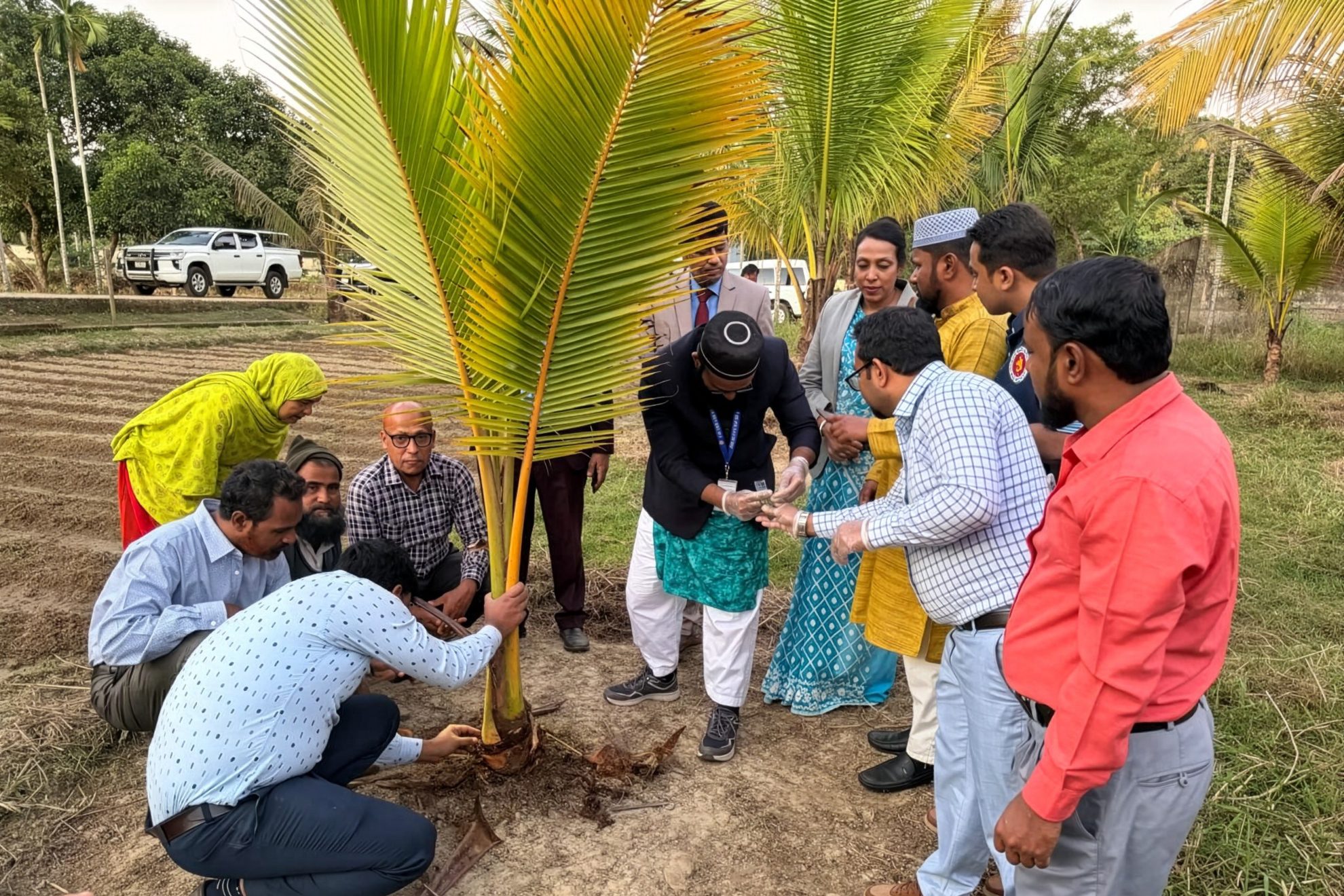
Safeguarding coconut production
Through science-based pest preparedness, CABI helped Bangladesh stay ahead of the coconut hispine beetle, an invasive pest that has caused losses of 50–70% in neighbouring countries. Early detection and biosecurity measures are protecting a vital agricultural sector and reducing the risk of future outbreaks.
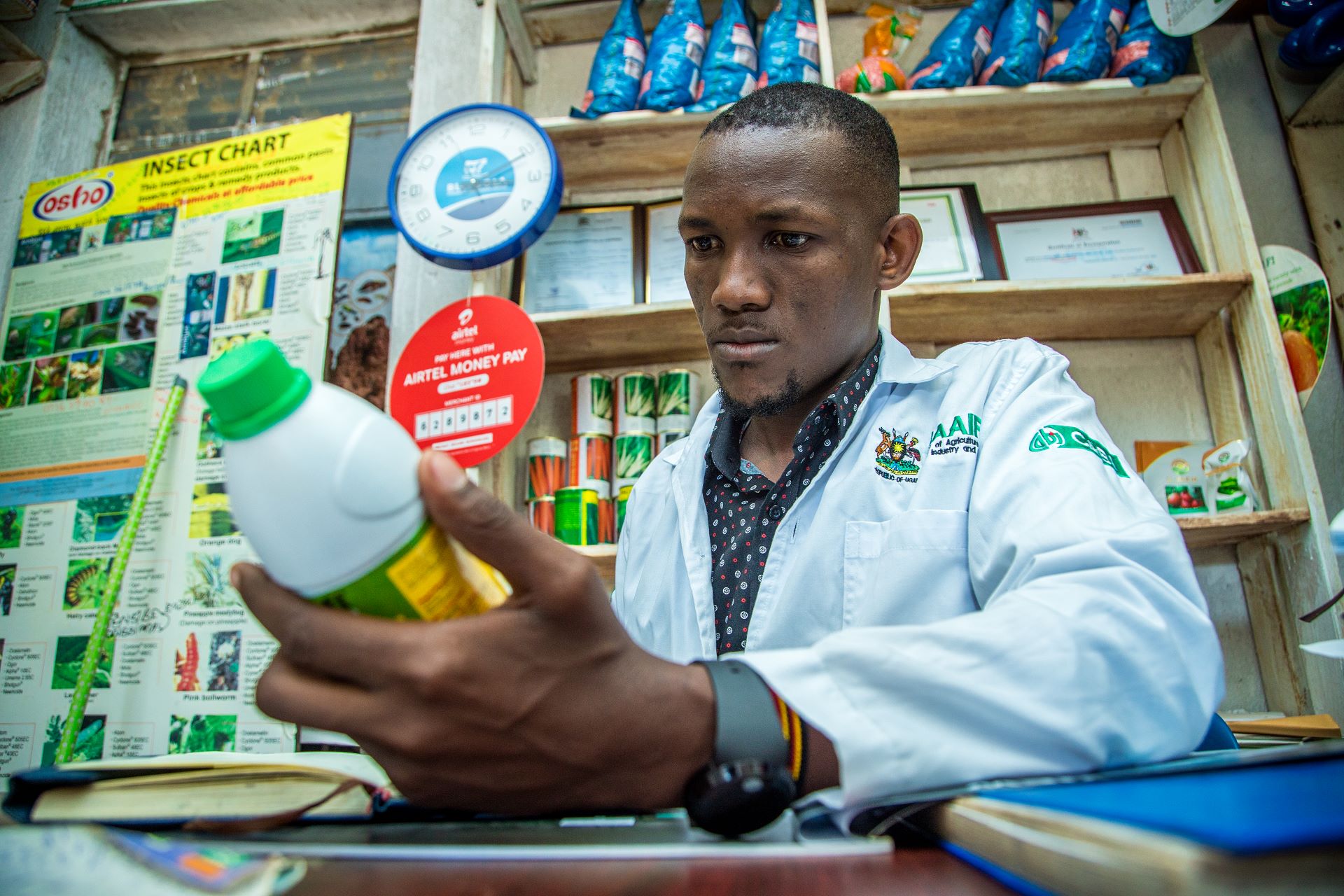
Reducing pesticide risks, protecting lives
Pesticide risk reduction initiatives are helping farmers adopt safer crop protection practices while protecting people and the environment. Through behaviour change campaigns and agro-dealer training in Kenya, CABI and partners have increased uptake of Integrated Pest Management, improved pesticide stewardship and helped build more sustainable, resilient food systems.
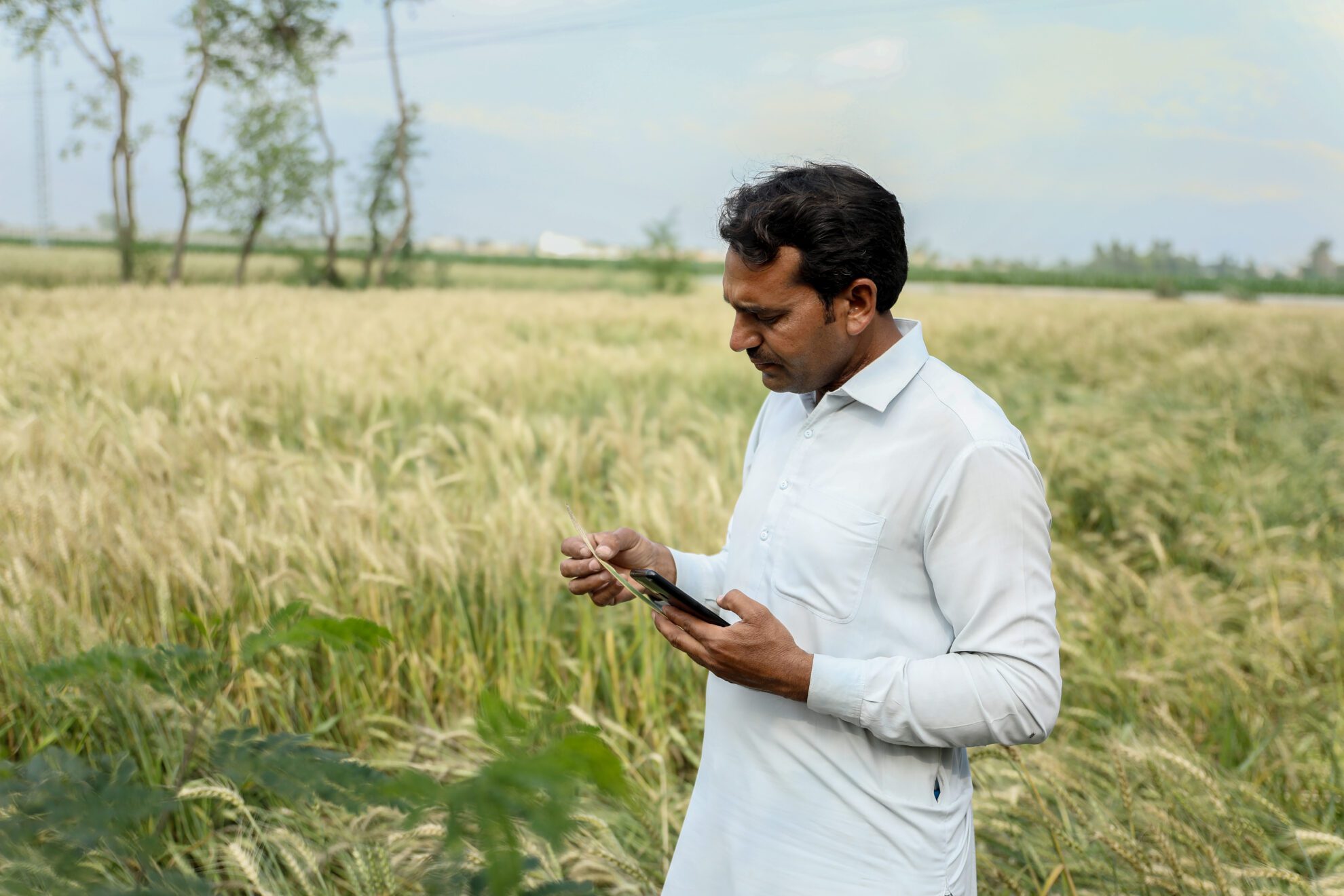
Safer biopesticides for Pakistan
With CABI's support, Pakistan approved its first national biopesticide registration guidance in 2024, ending decades of regulatory barriers that restricted market access for lower-risk products. The new framework enables safer pest management solutions to reach farmers, strengthening food safety, environmental sustainability and export competitiveness.
Frequently asked questions
The CABI Global Partnership for Pesticide Risk Reduction is a CABI-led collaboration, mandated by our 48 Member Countries and key partners, that connects stakeholders around shared pesticide risk reduction challenges and opportunities. We help governments, researchers, businesses and farmers reduce pesticide risks through policy reform, improved production practices, and research that tackles barriers to change, accelerating the move to safer, more sustainable food systems.