
Strengthening Pakistan’s biodiversity governance
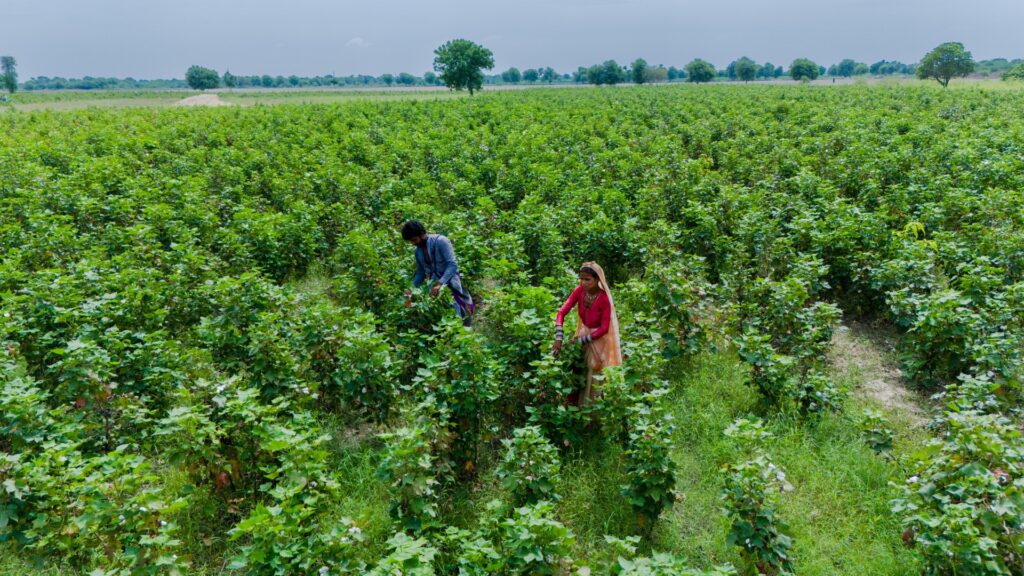
CABI is supporting Pakistan to develop its first national guidelines for Other Effective Area-Based Conservation Measures (OECMs), strengthening biodiversity governance, improving conservation planning, and helping the country achieve its commitments under the Kunming-Montreal Global Biodiversity Framework and the global 30x30 target
Reducing risks from highly hazardous pesticides in Pakistan
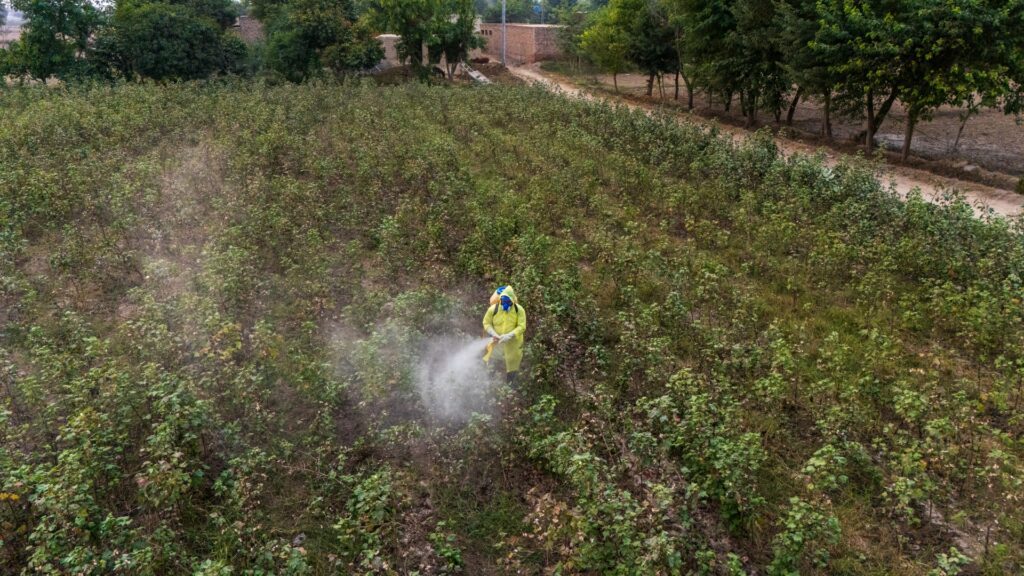
Highly hazardous pesticides (HHPs) pose serious risks to people and the environment. Working with national partners, CABI is helping Pakistan strengthen pesticide regulation, improve poisoning surveillance, support evidence-based policy, and promote safer alternatives for sustainable agriculture.
Strengthening taxonomy and plant health diagnostics across ASEAN
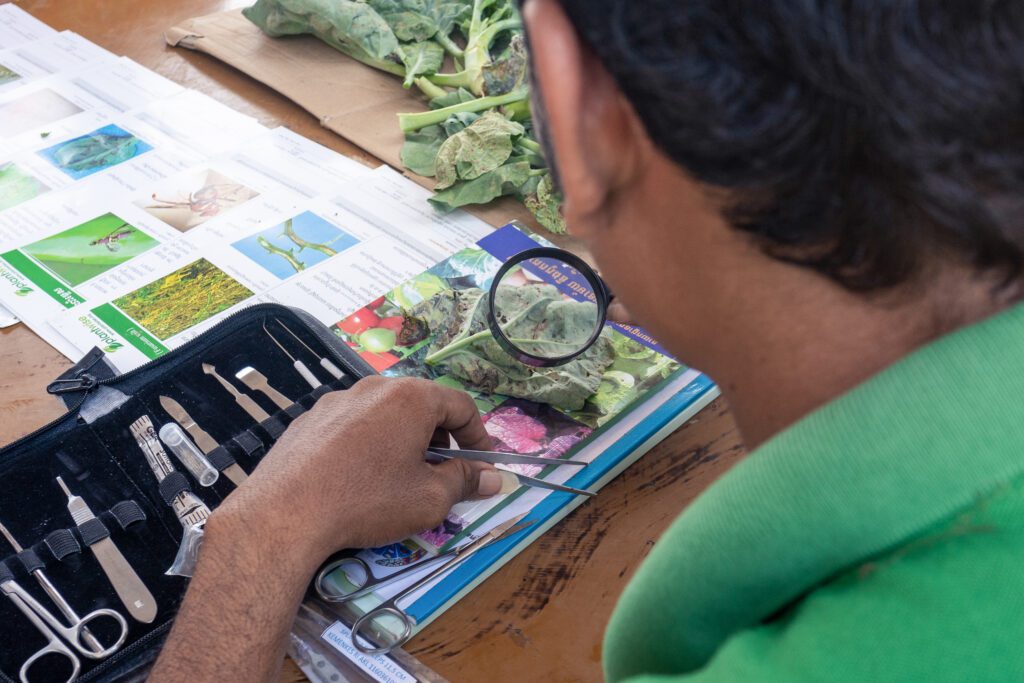
Southeast Asia is one of the world’s most biodiverse regions, yet this biodiversity is increasingly threatened by invasive pests, diseases and environmental pressures. Limited capacity in classification (taxonomy) and diagnostics of pests and diseases have further consequences on biodiversity conservation, compliance with international agreements and access to regional and global…
Identifying and managing false codling moth in roses in Ethiopia

The horticultural sector is key to Ethiopia’s economy, contributing to foreign exchange revenue and employment. But the rose-cut flower is of significance due to its increasing demand, market growth, and Ethiopia’s ability to dominate production thanks to its favourable conditions. However, the false codling moth, a major pest, is threatening the…
CABI’s expertise on sustainable crop pest management highlighted at international conference in Pakistan
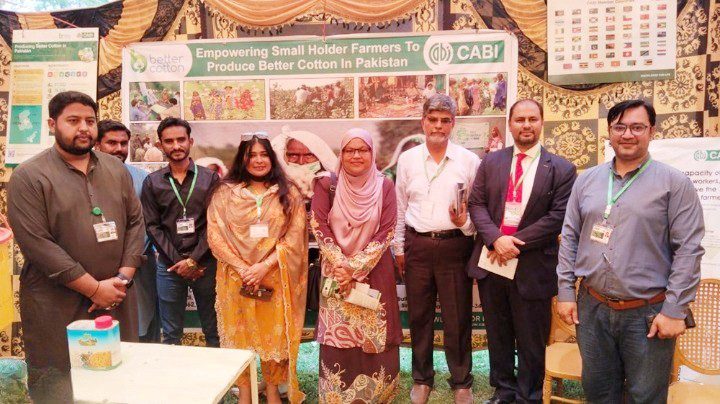
CABI’s expertise on sustainable crop pest management has been highlighted at the 2nd International Conference on Plant Protection Sciences (ICPPS-2025), hosted by Sindh Agriculture University, Tandojam, in Pakistan. The event sought to foster and enhance scientific and technological collaboration between Pakistan and the global community, with a particular focus on…
Boosting international trade by improving the Sanitary and Phytosanitary system for horticulture in Uganda
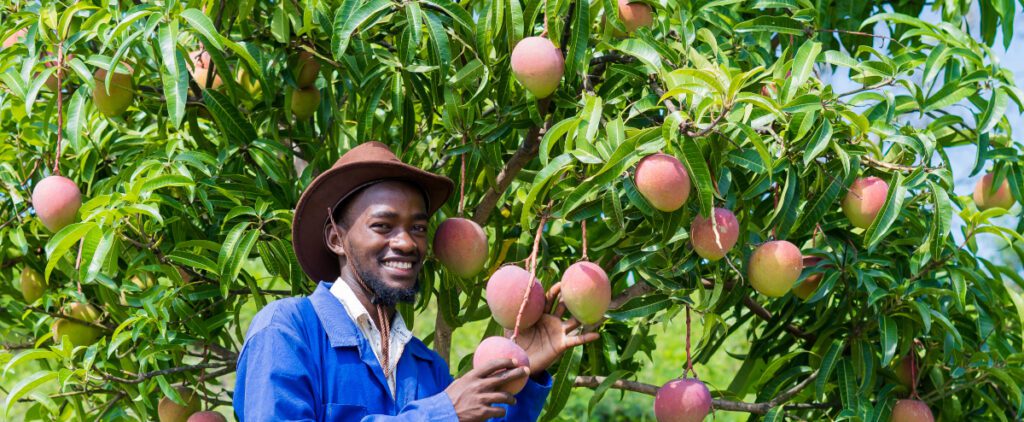
In Uganda, the export of horticultural produce to global markets is significant to the economy, food security and livelihoods. In 2023, 60% of exports, which included fresh fruit and vegetables, were to the EU, worth 58 million euros. However, despite the notable exports, Uganda has a limited share of the…