
CABI expands access to agricultural knowledge with AI-ready datasets
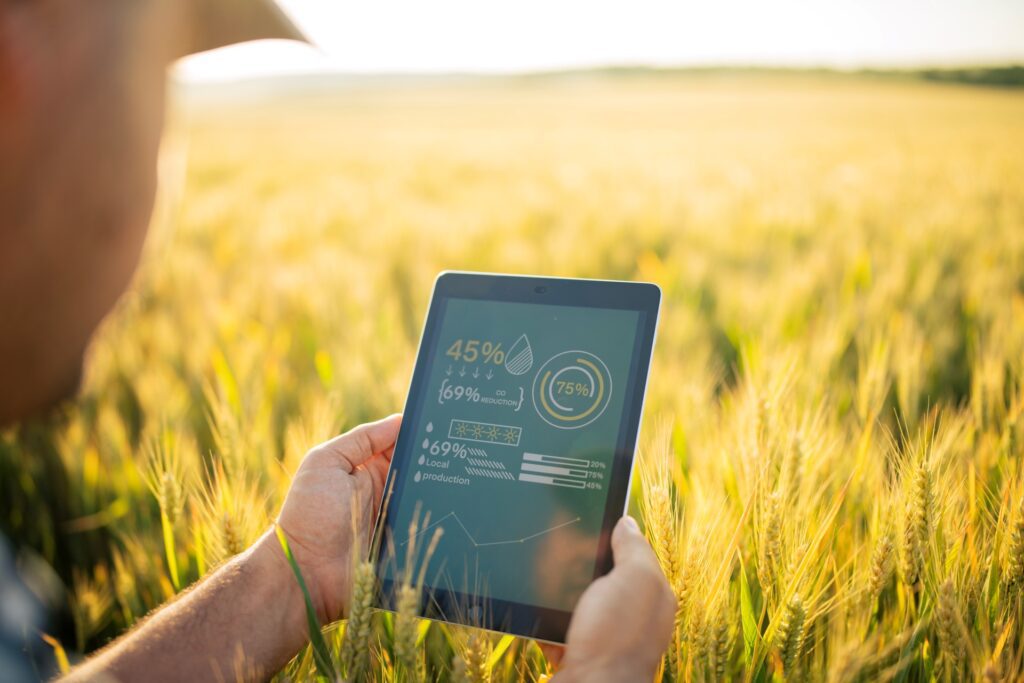
CABI has published its first artificial intelligence-ready datasets on Hugging Face, one of the world's leading platforms for sharing machine learning models, datasets and AI resources. Developed as part of the 'Generative AI for Agriculture (GAIA)' project, they make CABI’s agricultural knowledge more accessible to developers building AI tools. The…
Credit for coffee farmers: Closing the finance gap to include more women and young people is not charity, it’s smart business
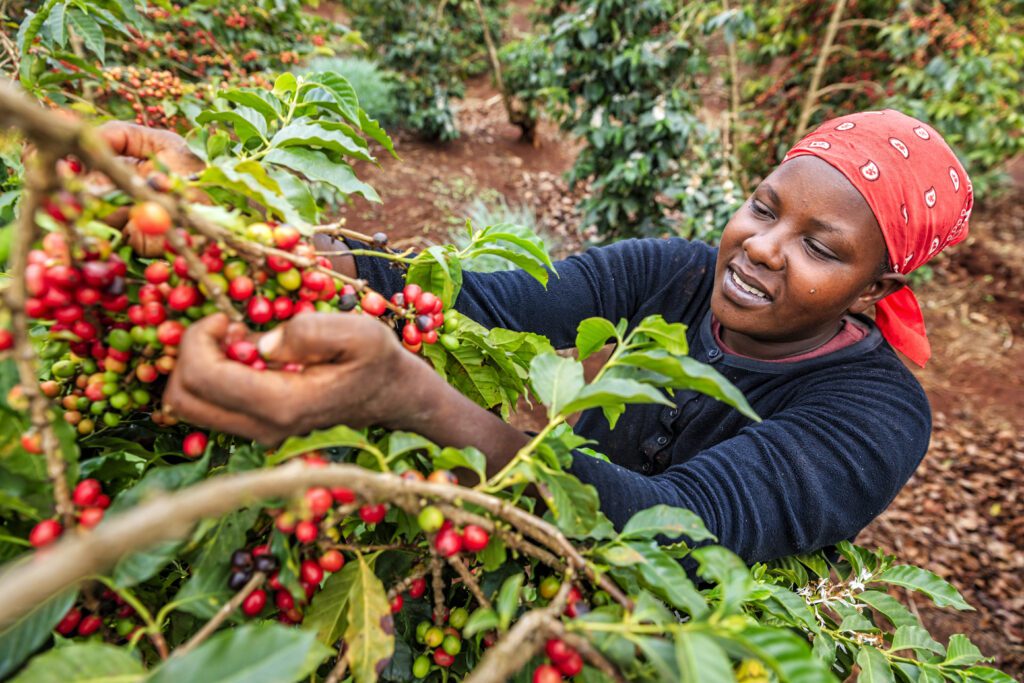
Credit for coffee farmers is a subject that needs urgent attention. In this article, we look at the challenges that smallholder coffee farmers face when securing finance, as well as win-win solutions on offer to help both them and the industry thrive.
Canada releases the first ever biological control agent to tackle invasive common tansy
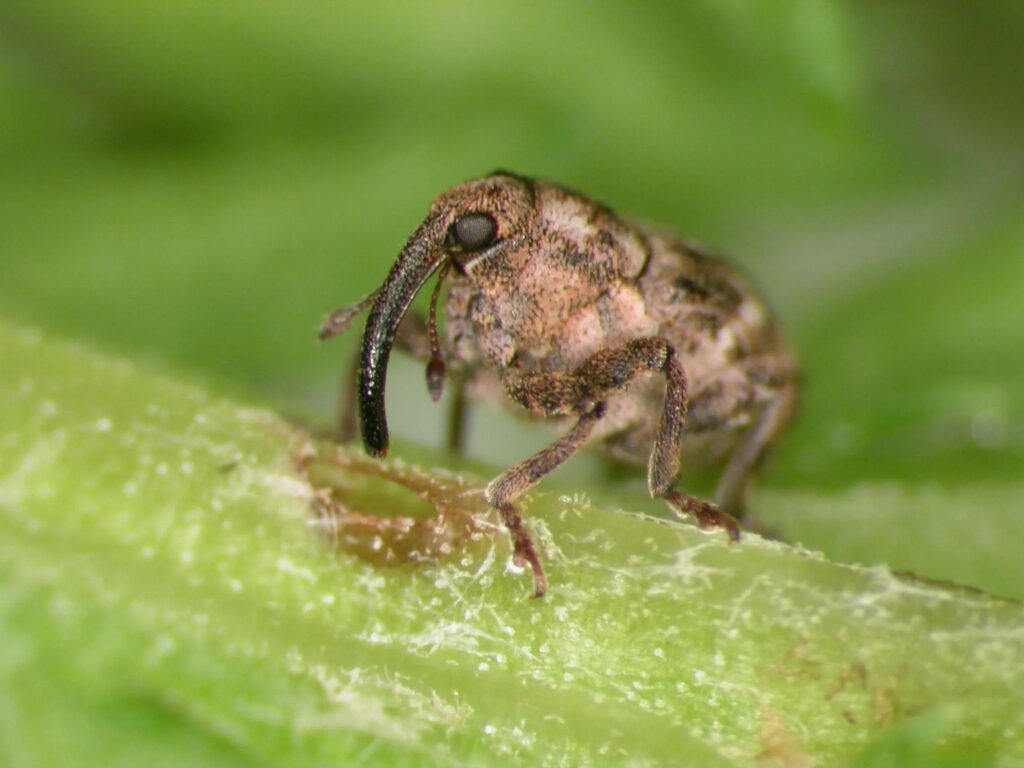
Canada has released the first ever biological control agent to tackle invasive common tansy (Tanacetum vulgare), an invasive plant that negatively impacts the country and wider region’s livestock, rangeland, and native biodiversity. The release of the agent – a stem-mining weevil called Microplontus millefolii – marks a major milestone in…
First local harvest of Metarhizium rileyi spores marks milestone for fall armyworm management in Zambia
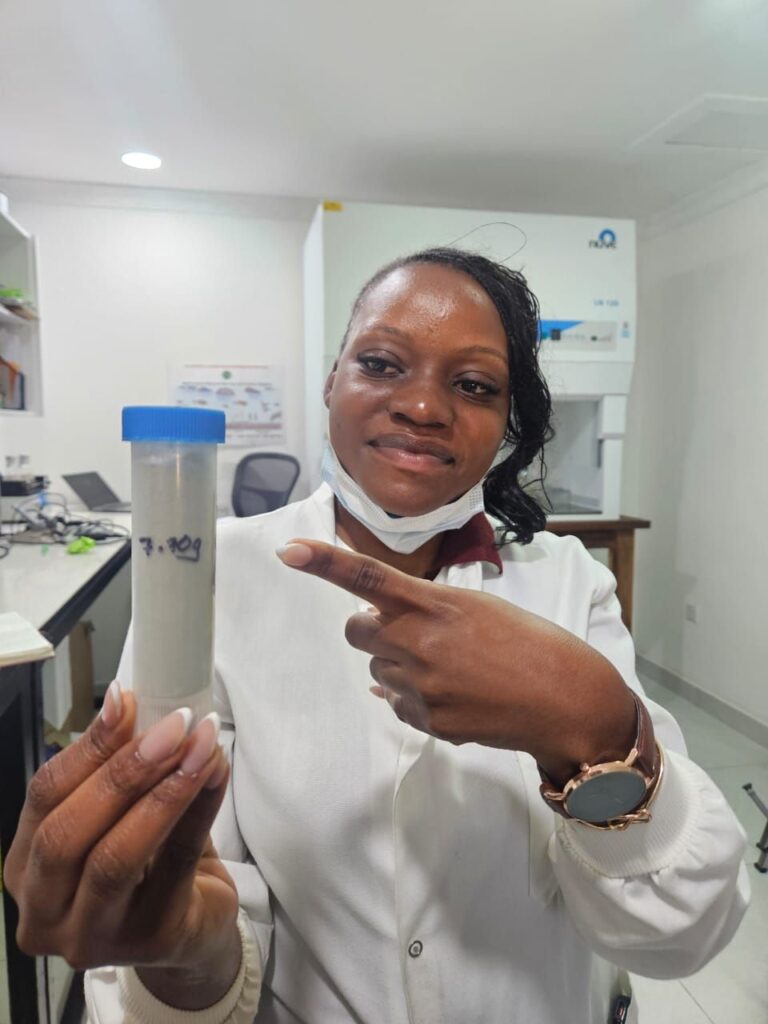
CABI's laboratory in Zambia has successfully harvested its first spores of a local strain of Metarhizium rileyi for the management of fall armyworm, marking a significant milestone after three years of dedicated research and development. Metarhizium rileyi is a highly specific fungus that kills fall armyworm. In 2018, scientists from…
Invasive species emerge as a driver of human displacement, new research shows
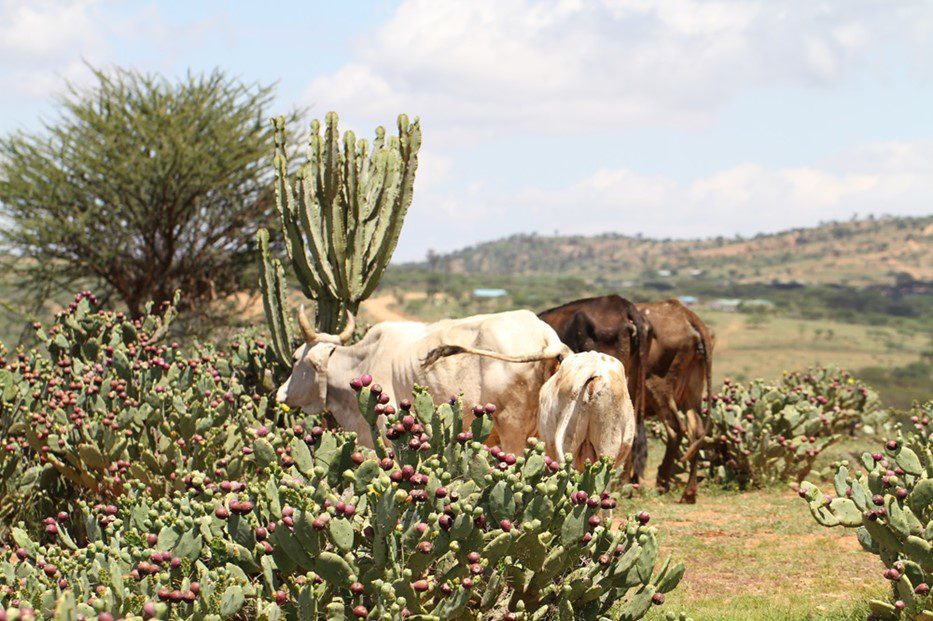
Human migration is driven by many factors, yet the role of invasive species in displacement remains understudied. A new paper published in Frontiers examines how biological invasions force people to abandon the land on which they live and explores the collective trauma that can follow.
Invasive plants in hedges in eastern Africa are threatening local ecosystems
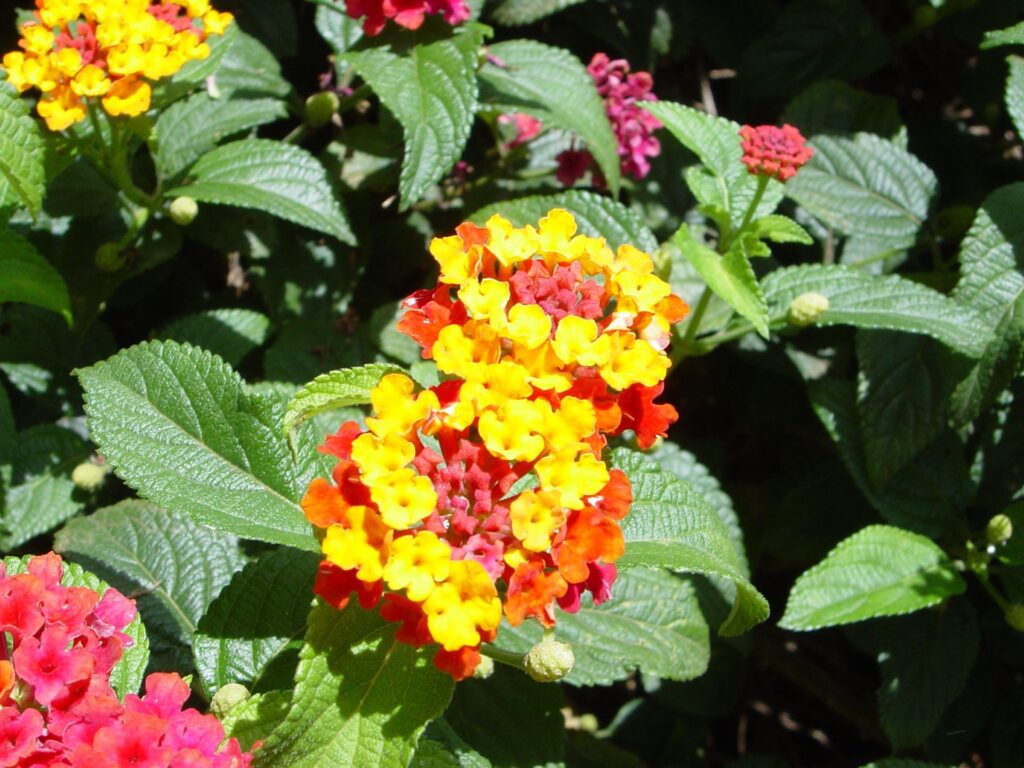
Invasive plants commonly used as hedges in eastern Africa may be driving biological invasions, according to new research. Invasive species cost Africa’s agricultural sector an estimated USD $65.58 billion each year. They reduce land available for farming and grazing, threatening food security and livelihoods across the continent. Effective management is…
New agreement strengthens CABI’s footprint in Burundi
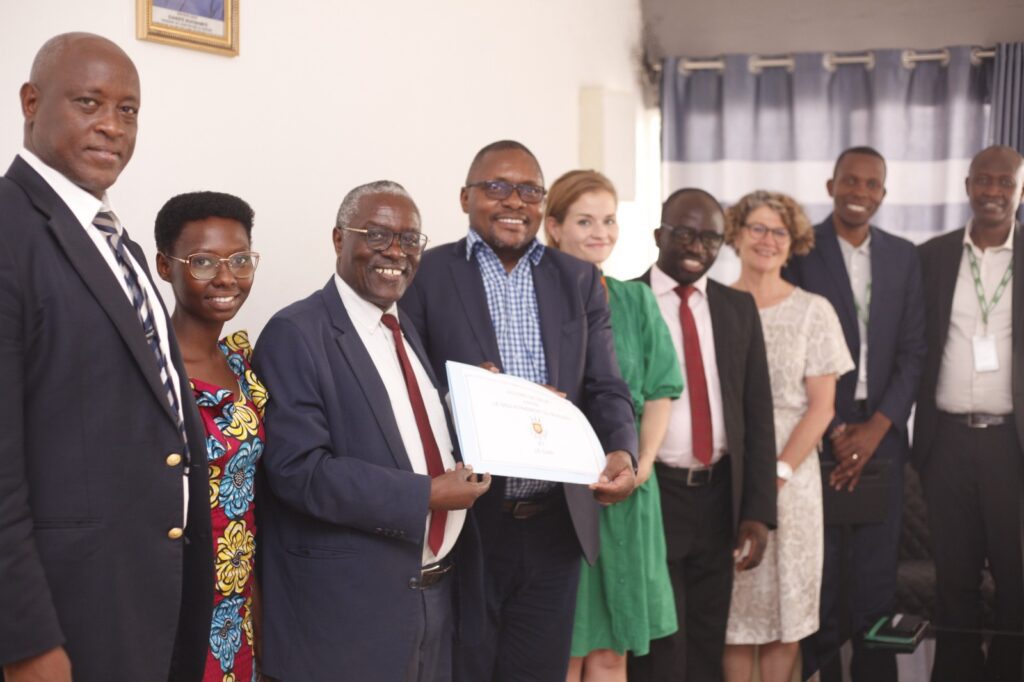
CABI has signed a Host Country Agreement with the Government of Burundi, marking a significant step in formalizing its long-term commitment to agricultural development, research, innovation and food security in the country.
CABI launches Global Partnership for Pesticide Risk Reduction
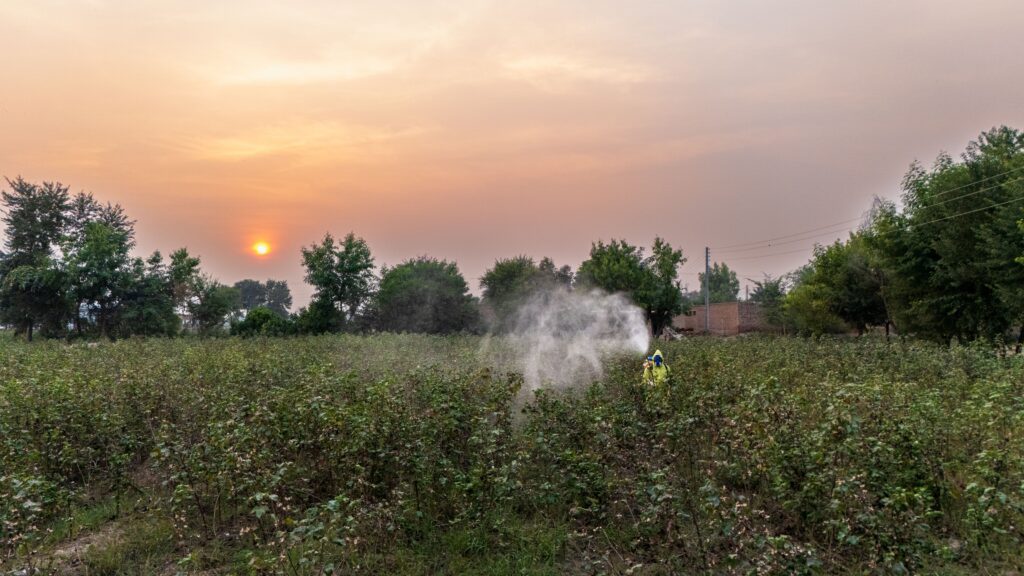
CABI and its partners will launch the “Global Partnership for Pesticide Risk Reduction” on 19th May 2026, bringing together leading stakeholders from the public and private sector to advance a shared commitment to address pesticide risks worldwide.
CABI and Uganda agreement mark expanded commitment to agricultural transformation

CABI has strengthened its presence in Uganda following the signing of a Host Country Agreement with the Government of Uganda. The milestone marks a significant step forward in a long-standing partnership that has been steadily shaping how agricultural challenges are understood and addressed across the country.
New journal launch: CABI Multifunctional Landscapes

CABI is delighted to announce the launch of CABI Multifunctional Landscapes. This is a new international, open access, peer-reviewed journal dedicated to advancing integrated landscape research through inclusive, transdisciplinary, and practice-oriented research. CABI Multifunctional Landscapes is developed in close partnership with 1000 Landscapes for 1 Billion People (1000 Landscapes), a…