CABI-led research has produced a comprehensive inventory of non-native invasive plant species across eastern and southern Africa. Through extensive roadside surveys, the study recorded nearly 107,000 plant occurrences and identified 708 non-native plant species across 11 countries.
Kenya was found to host the highest number of non-native species (430), followed by Tanzania (341) and Malawi (313). Lantana camara emerged as the most frequently recorded species, with 5,566 occurrences, followed by Senna siamea (3,526), Eucalyptus spp. (3.409), Ricinus communis (3,261) and Cascabela thevetia (3,156).
Researchers conducted the surveys between 2008 and 2019. The team georeferenced survey locations in countries including Eswatini, Malawi, Rwanda, Uganda, Kenya, Tanzania and Zambia and used the data to build a regional database documenting the distribution of 708 alien plant species. The inventory provides a vital baseline for governments and conservation managers, who often lack up-to-date or comprehensive data on invasive plants
Significant proportion of the known status of plants
Dr Arne Witt, the senior author of the research paper published in a special edition of the journal African Biodiversity and Conservation said the data represents a significant proportion of the known status of plants in these countries. When the data were included in GBIF in 2018, they represented 58% of all plant observations recorded in GBIF across the 11 countries. By May 2025 the data still represented 29% of all plant observations, despite a narrower focus on only invasive and alien species.
“The roadside survey data are second only to iNaturalist records, which make up 33% of all plant observations,” he said. “The dataset of roadside observations (partial or whole) has been cited 412 times in further studies, including 314 journal articles.”
Dr Witt added, “Alternative methods exist for the development of lists, including remote sensing and citizen science, and each has advantages and drawbacks.
“We conclude that roadside surveys, undertaken by experienced observers during other duties that involve widespread travel can provide a relatively inexpensive and very useful baseline to assist managers and policymakers, especially in lower-and middle-income countries.”
Greater understanding of their distribution and potential management
The authors, including Professor Brian van Wilgen from Stellenbosch University, also report that several field guides have been produced based on the list of species. These guides enable a greater understanding of the distribution of alien plants and potential management.
Prof Brian van Wilgen said that without a list of species and information on their distribution and known impacts it is near impossible to develop a comprehensive National Invasive Species Strategy and Action Plan (NISSAP).
“Such information is needed to raise awareness of the problem, and to monitor trends in spread and the effectiveness of control. The detection of new introductions and determining their distribution is also important for the development and implementation of alien plant management plans,” he said.
Very effective in early detection and rapid response programmes
The scientists say that although roadside surveys provide limited coverage, it is widely acknowledged that roads are one of the main invasion pathways in landscapes, facilitating the spread of invasive plants.
Many emerging weeds initially spread along roads, which means that roadside surveys can be highly effective in early detection and rapid response programmes, an added benefit of these types of surveys, they add.
Other methodologies that have been employed include monitoring plots, citizen science (e.g. iNaturalist), and drone and satellite remote sensing. However, all have their advantages and disadvantages. Monitoring at a smaller scale can be undertaken by simply walking through plots or along transects, the scientists suggest.
Dr Witt said, “Despite many challenges, roadside surveys remain a cost-effective and efficient way to determine the presence and distribution of alien plants, especially when road trips are undertaken in conjunction with other activities.”
Individuals involved in developing inventories are encouraged to always travel with a GPS to enable them to record the presence of alien plants, especially those that may pose threats to biodiversity and economic development, the scientists conclude.
Full paper reference:
Developing an initial inventory of non-native invasive species based on roadside surveys: recent experience in southern and eastern Africa. (2026). African Biodiversity & Conservation, 56(2). https://doi.org/10.38201/abc.v56.2.a9
Additional information:
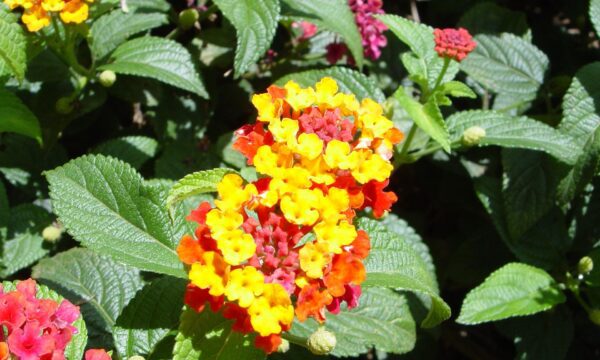
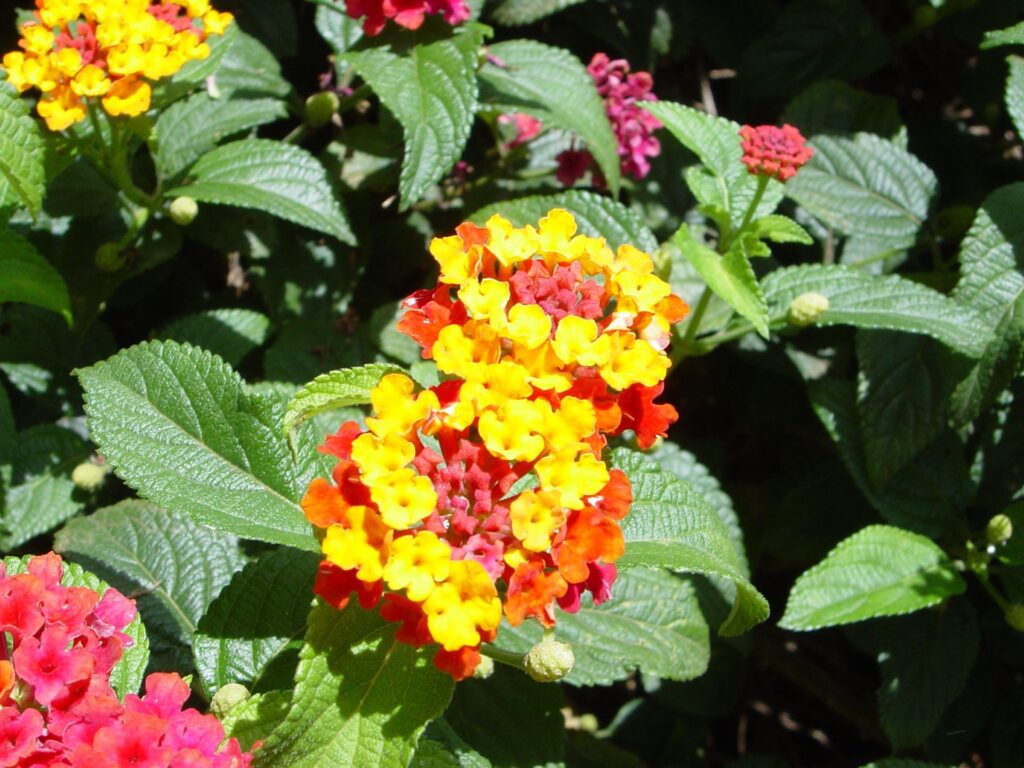
Main image: Cluster of Lantana camara flowers, a widespread invasive plant species in eastern and southern Africa
Related News & Blogs