Ahead of the French Government-hosted One Health Summit on 7 April 2026, the International Plant Protection Convention has highlighted plant health’s central role in One Health. In light of this growing international support for integrating plant health, CABI’s One Health Hub reiterates its call to embed plant health into One Health strategies to safeguard food production, ecosystems, and human wellbeing.
Plant health is a critical but often overlooked pillar of the One Health approach, according to a newly published CABI evidence brief. Yet plant health remains largely disconnected from One Health funding, research, and strategies, despite its importance for human wellbeing, food security, and biodiversity..
“Despite the important role it plays in all sectors of health – human, animal, and ecosystem – plant health is often seen as an afterthought in One Health strategies. However, we can address this by advocating for the integration of plant health into One Health funding, policy, and research initiatives,” Dr Solveig Danielsen urged.
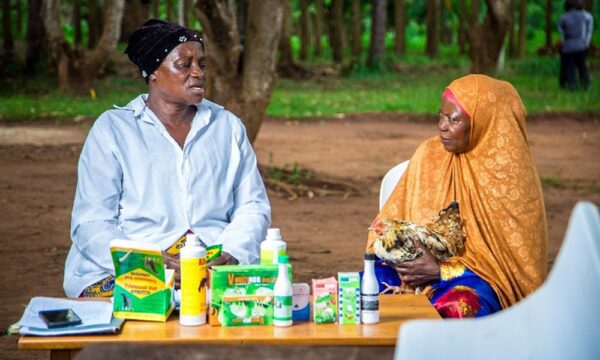
A key example of such successful integration will be showcased in an upcoming CABI-hosted webinar that will form part of the One Health Festival surrounding April’s Summit. The session will showcase the work of joint crop-livestock clinics in Uganda and how these improve pesticide use and responsible veterinary drug practices, directly addressing plant health risks that contribute to antimicrobial resistance. A spotlight on Baringo County, Kenya, will demonstrate how participatory One Health platforms engage crop farmers to tackle unsafe pesticide use, pest pressures, and wider ecosystem drivers affecting plant health. Insights from Northern Kenya and Ethiopia further show how integrated subnational surveillance can capture agricultural, environmental, and animal health signals, supporting more coordinated responses.
The evidence brief notes the narrow conceptual focus of One Health and the limited inclusion of plant health. Missed synergies pose a challenge, as plant health work in areas like agroecology, biocontrol, and pesticide management align closely with the One Health approach. The plant world remains underrepresented and misses the institutional and political clout of other health sectors. The funding balance leans towards human health, and the disconnection of plant health from One Health weakens responses to global crises such as food security.
The brief recommends that funders, policymakers, and researchers take action to integrate plant health into One Health:
- Funders should consider including plant health in One Health calls for proposals and track outcomes through measurable indicators.
- Policymakers The Quadripartite, in turn, should address plant health issues in the next Joint Plan of Action, particularly invasive species, mycotoxins, and pesticide risks.
- Researchers should connect people from relevant sectors by leveraging undeclared One Health work and unlocking new collaboration and funding opportunities.
The report concludes that redrawing the Quadripartite’s Joint Plan of Action from 2026 presents an ideal opportunity to rethink One Health engagement and strategy and offers an opportune moment to fully establish plant health as an integral part of One Health. The brief argues that collaboration across sectors among funders, policymakers, and researchers will be pivotal to achieving this goal.
Dr Urs Schaffner said: “We must strengthen collaboration across relevant sectors to be able to tackle complex global health challenges more effectively. The redrawing of the Quadripartite Joint Plan of Action is a key opportunity to move this action forward.”
Further information
Full paper reference
Read the full paper here:
Reference: Danielsen, S., Schaffner, U.; Zinsstag, J. Worlds apart: Plant health and One Health and a path to convergence, CABI One Health, 4:1, 0013 (2025).
https://doi.org/10.1079/cabionehealth.2025.0013
Feature image
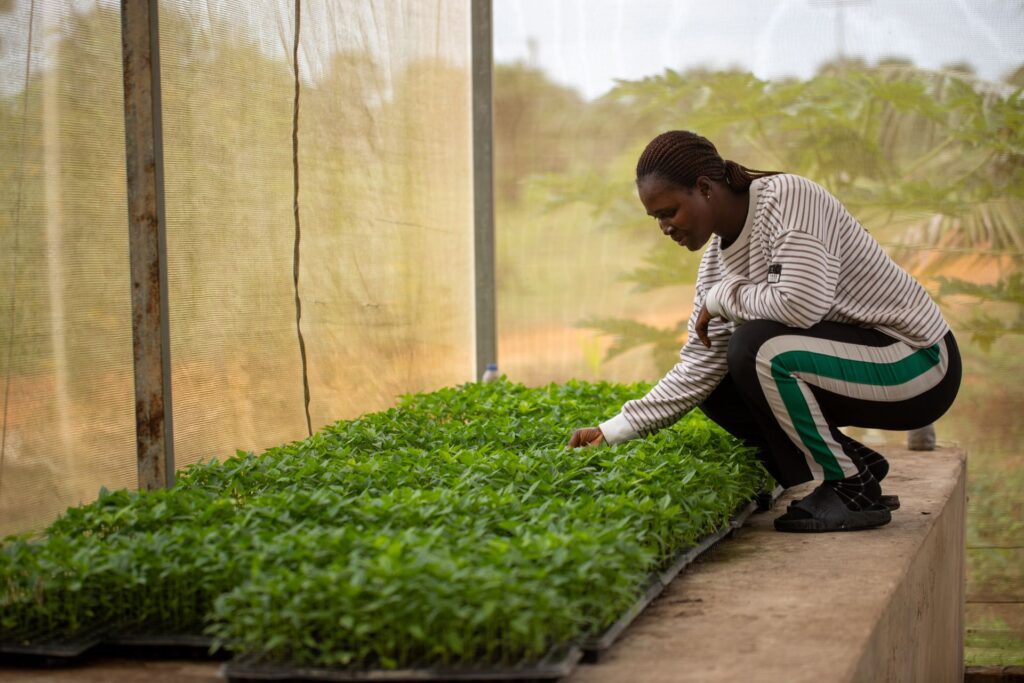
Inspecting plants in Ghana (© Evans Ahorsu for CABI)
Other relevant information
This evidence brief has been produced by the One Health Hub, a CABI-managed project:
The One Health Hub is a knowledge, evidence, and learning platform that promotes a cross-sectoral One Health agenda encompassing human, animal, plant, and ecosystem health. It identifies gaps in knowledge, analyses evidence, and helps to shape policies for a more interconnected approach to health. The platform works with global and regional organizations to help mainstream a One Health approach in sustainable development. It also supports global development initiatives by helping them to embed One Health thinking in their programming. The One Health Hub is managed by CABI with funding from UK International Development from the UK government and works in partnership with the Juno Evidence Alliance.
Enablers and barriers of sub-national One Health implementation in East Africa
A webinar hosted by CABI’s One Health Knowledge Bank and One Health Hub
📅 Friday 10 April
🕐 12:00–13:00 BST / 14:00–15:00 EAT
🔗 Register via: https://www.cabi.org/one-health-hub/news-and-events
Related News & Blogs
“One Plant Health Concept” connects tradition and technology to address plant diseases in Africa
A newly published “One Plant Health” strategy combines traditional indigenous knowledge and cutting-edge technology to tackle plant diseases in Africa for improved food security
31 March 2026