
International students graduate with Masters degree in crop management
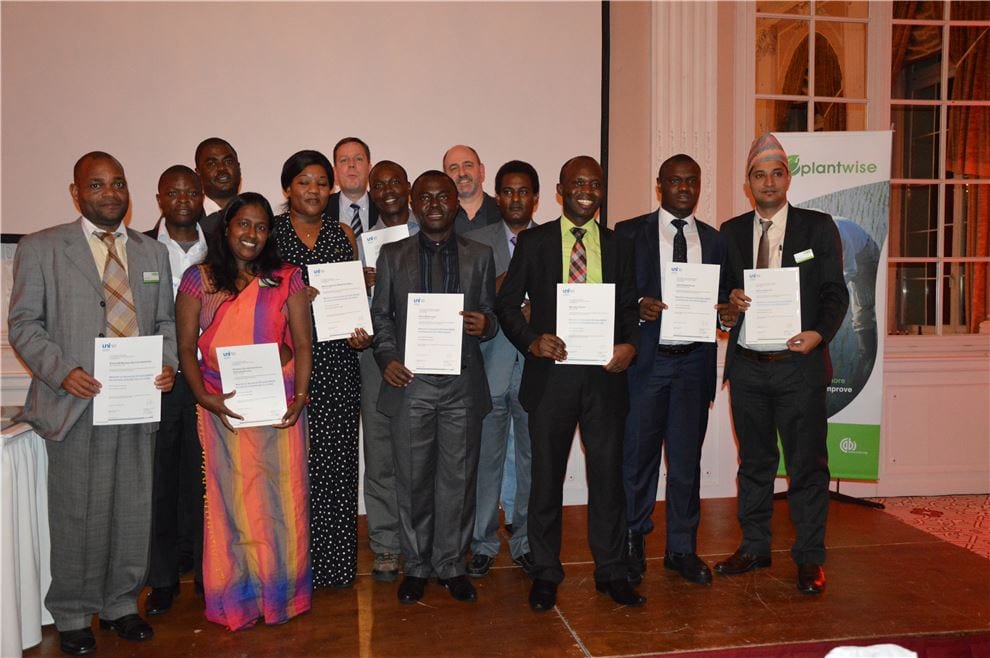
A graduation ceremony took place on 17 November 2016, in Interlaken, Switzerland, to mark the successful completion of the 2016 Masters of Advanced Studies in Integrated Crop Management (MAS in ICM) programme. The 12 agricultural professionals who participated in this year's programme have gained valuable knowledge in sustainable crop management…
Biological control of diamondback moth in Canada
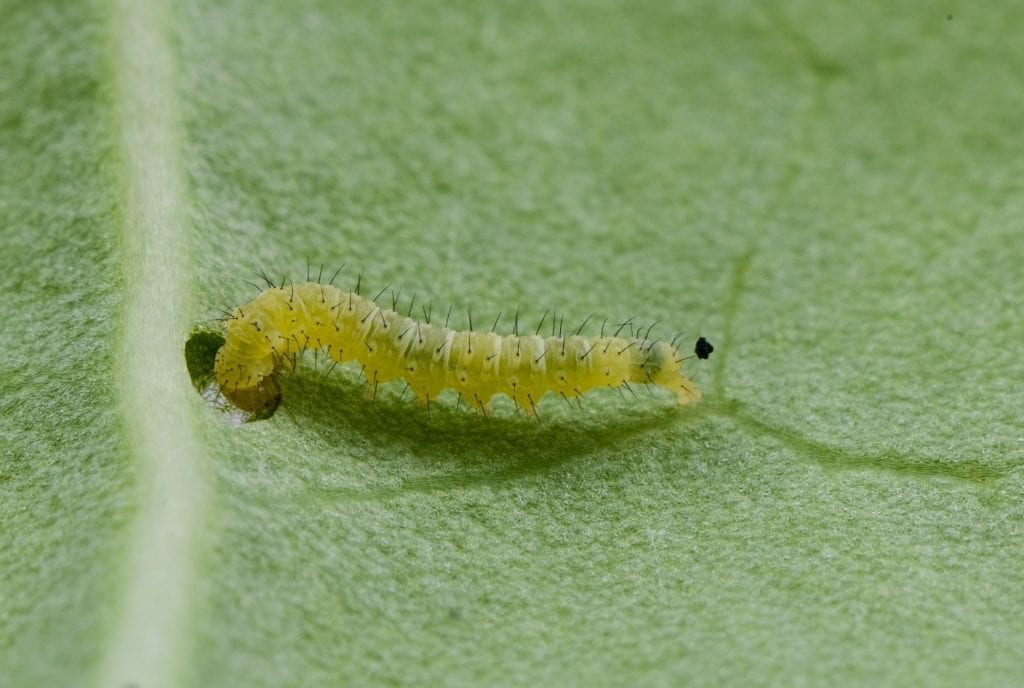
The diamondback moth is a global pest. Canadian farmers often have use chemicals to protect their crops. This is costly and the pest is becoming immune, meaning additional control options are needed. In Europe, Asia and Africa, Diadromus collaris, is a major parasitoid of the moth. It has been introduced…
Improving the rational use of pesticides for locusts in China
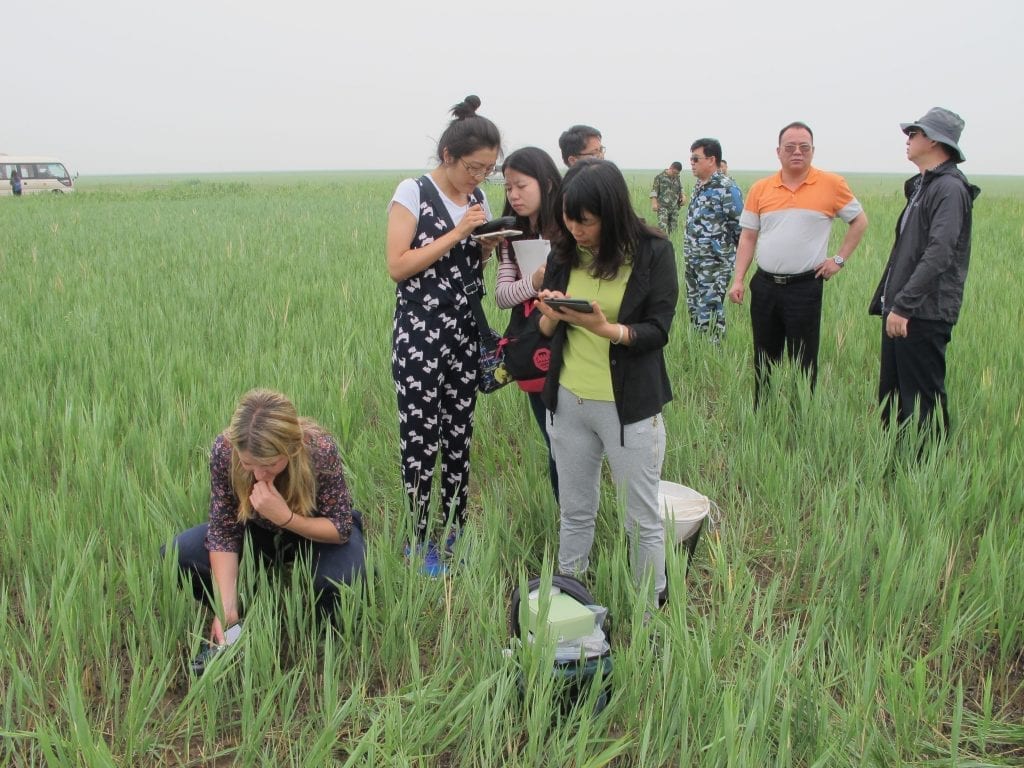
Agriculture is very important to China and chemical pesticides are often used to control their associated pests. Biopesticides, which have a low impact on surrounding plants and the environment can be used instead and China wants to switch over to them. Using CABI's expertise, this project uses Earth Observation (EO)…
Managing Maize lethal necrosis disease in eastern and central Africa
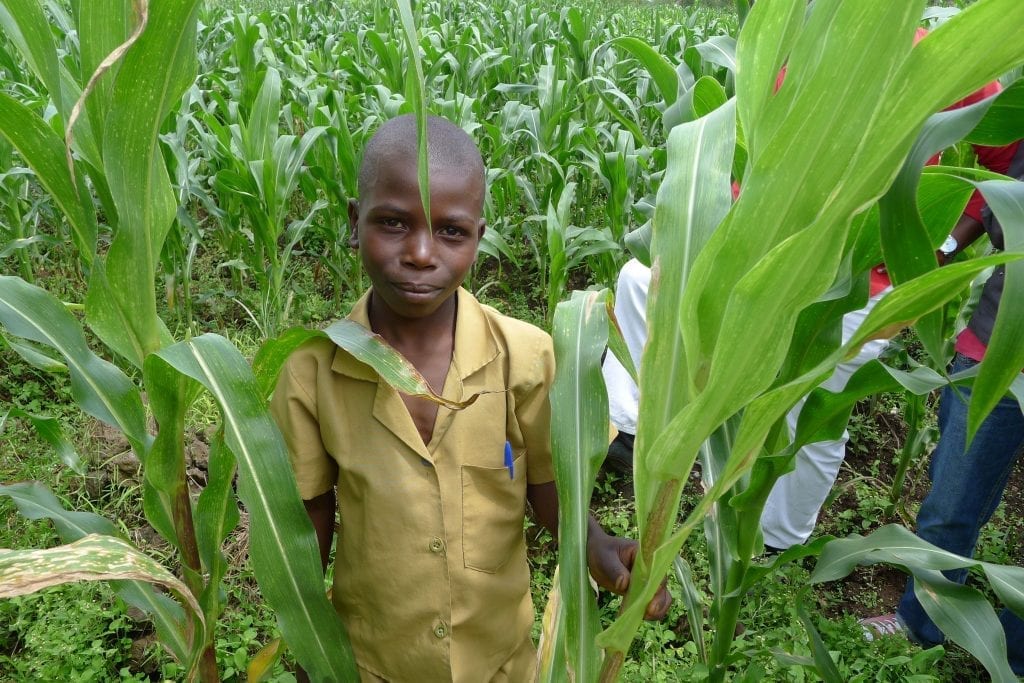
Maize lethal necrosis disease (MLND) negatively affects maize crops and their seeds and is threatening food and economic security in East and Central Africa. This project researched solutions to minimize or eliminate the risks and effects of the disease in the region. Through use of various channels to reach stakeholders…
Increasing rice production around the Mekong
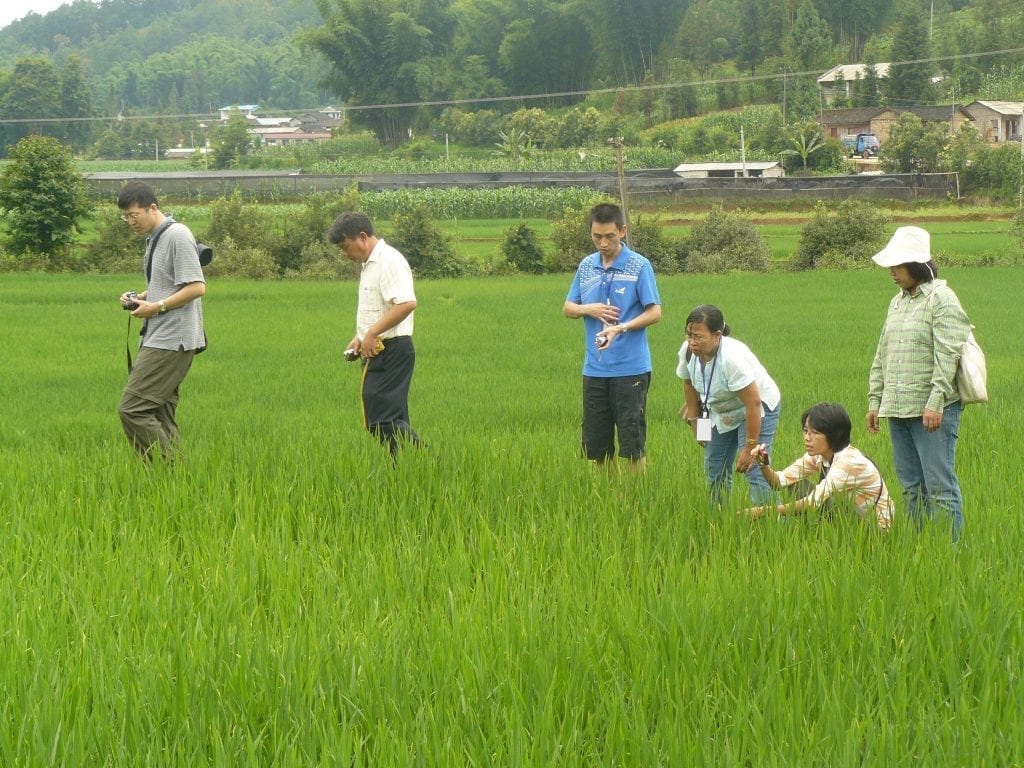
Rice is the most important crop in southwestern China, Laos and Myanmar. Despite recent improvements, productivity is still low with millions of tons lost to pests, diseases and weeds. Intensive pesticide use has led to insecticide resistance, outbreaks of secondary pests and damage to farmers' health. This project is introducing…
Insects as a source of protein

Global demand for animal-sourced foods is accelerating. Fishmeal and crops such as soya are key ingredients in animal feeds but are not ecologically or economically sustainable. Insect protein presents a viable alternative. The PROTEINSECT project is exploring fly larva (maggots), which are nutritious and can be mass produced at low…