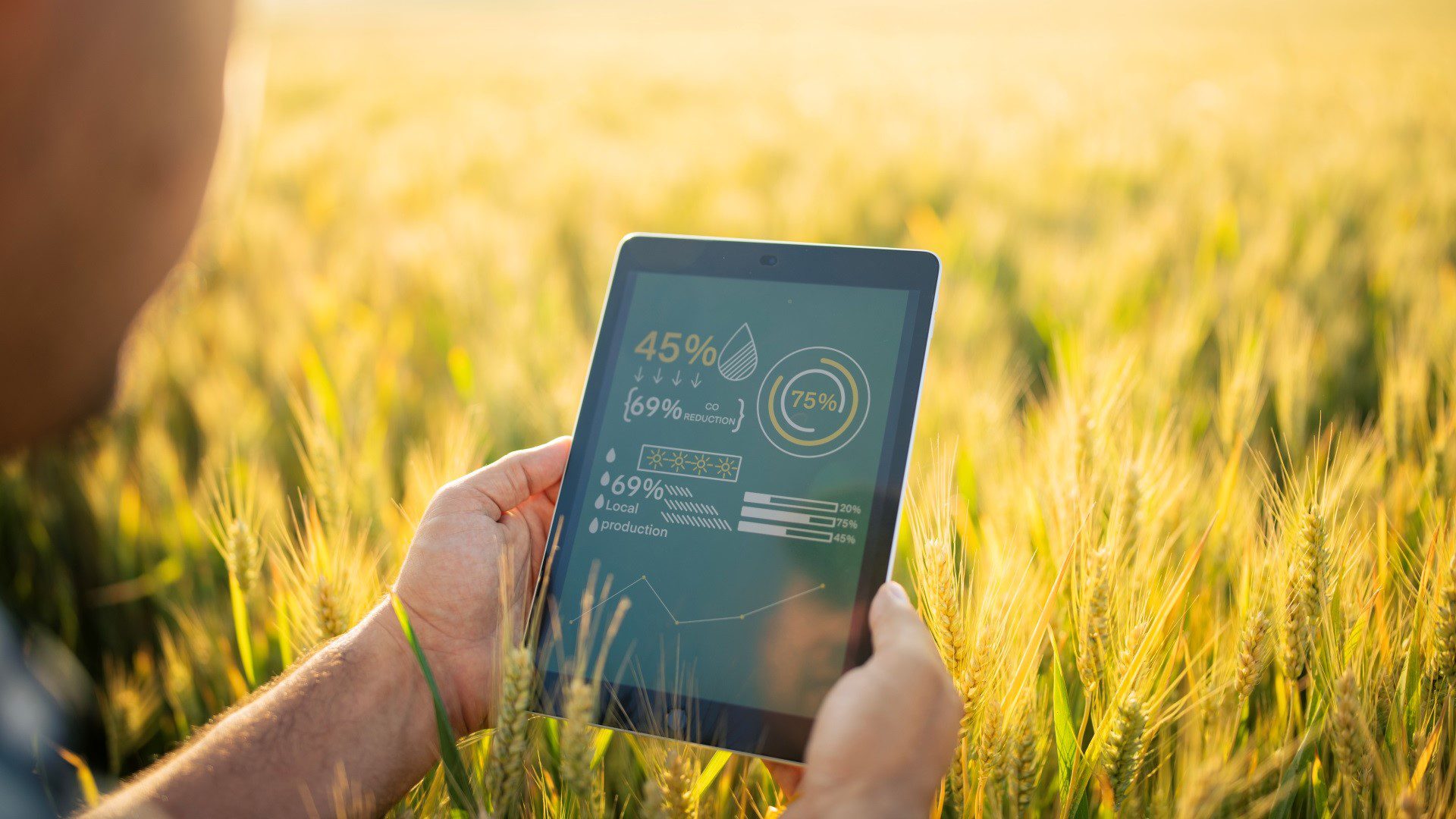
CABI has published its first artificial intelligence-ready datasets on Hugging Face, one of the world’s leading platforms for sharing machine learning models, datasets and AI resources. Developed as part of the ‘Generative AI for Agriculture (GAIA)‘ project, they make CABI’s agricultural knowledge more accessible to developers building AI tools.
The Gates Foundation and UK International Development from the UK government support the GAIA project. GAIA aims to address inequalities by improving content sourcing, sharing and governance across Generative AI systems. This will help make digital advisory tools safer, more relevant and more equitable.
Katherine Cameron, Global Lead for Digital Advisory Services, said “Making CABI’s agricultural content available through Hugging Face will help developers and researchers access and use trusted, science-based information within AI applications.
“This is important because there is growing demand for AI tools that provide practical, locally relevant agricultural advice. By making agricultural knowledge available in AI-ready formats, we can help improve the accuracy of digital advisory tools and support better decision making across the agricultural sector”
New datasets support AI applications for agriculture
The first dataset, CABI Plant Health Knowledge for AI, brings together locally co-developed practical resources on crop pests and diseases in Kenya, Ethiopia and India. It includes PlantwisePlus factsheets for farmers, pest management decision guides and plant health case studies. This provides locally relevant information for developers creating AI tools to support smallholder farming systems.
CABI Palm Weevil Knowledge for AI, meanwhile, provides a broader collection of CABI knowledge focused on palm weevils. This includes the red palm weevil, a major pest affecting palm production worldwide. According to the Consortium for Red Palm Weevil Control, the pest causes approximately US$2 billion in crop losses each year and impacts the livelihoods of an estimated 50 million farmers.
The dataset combines books, journal articles, CABI Compendium datasheets, factsheets for farmers and country-specific information. Where available, it also includes registered bioprotection products. The team developed the dataset response to growing interest in the use of AI to support red palm weevil management. The pest is a priority focus for the Gates Foundation-funded AgriLLM initiative, which is developing AI tools for agriculture.
The new dataset will support these efforts by making CABI’s trusted content more readily available through Hugging Face.
Supporting the next generation of AI advisory tools
Dr Jawoo Koo, Senior Research Fellow at the International Food Policy Research Institute (IFPRI), and project lead for the GAIA initiative, said: “CABI’s AI-ready dataset on palm weevils and date palm production provides a valuable resource for strengthening tools such as AI advisory services for managing red palm weevils. Making well-curated agricultural content available through platforms such as Hugging Face supports the development of AI applications that can provide more relevant and useful information.”
The team plans to make further datasets available over the coming months. A livestock dataset covering poultry and cattle is expected later this year. The Plant Health Content collection will also continue to expand, with additional plant health resources, including bioprotection product information.
Developers and researchers interested in using AI for agriculture are invited to explore the datasets. Please contact us at enquiries@cabi.org to share feedback or request additional CABI content.
Related News & Blogs
Time to put plant health at the heart of One Health, experts say
Ahead of the 2026 One Health Summit, experts are calling for plant health to be fully integrated into One Health strategies. A new CABI evidence brief highlights critical gaps in funding, research, and policy, and outlines actions for funders, policymakers, and researchers to strengthen global health outcomes.
2 April 2026