About
CABI has worked in Africa for many years, but in 1995 it formally established a regional centre in Nairobi. In Africa over 80% of people living in rural areas rely on the crops they grow for food and for income. They face many challenges in growing sufficient good quality produce, such as changing climatic conditions, threats from pests and diseases, lack of access to markets, and limited access to current agricultural information. Agriculture is essential for sub-Saharan Africa’s economic growth and yet average crop yields in Africa are among the lowest in the world.
CABI’s centre in Kenya strives to improve livelihoods, working with the communities that it serves to address the problems they face using sustainable approaches.
A key element of the centre’s work is helping smallholder commodity growers to produce for and compete in local and global markets. The centre also encourages rural innovation and helps local users access global information and knowledge. Plant health is safeguarded through a range of initiatives, which include the management of invasive species, work to reduce the transmission of harmful pests and diseases through traded goods, the development of safe and effective biological controls, and Plantwise, CABI’s global project to reduce crop losses. CABI’s Good Seed Initiative, which seeks to improve the quality of seed that farmers plant, and thus improve crop yields, is also championed.
The centre works in partnership with many organizations in both the public and private sector, to enable work to be achieved in the most effective and cost efficient way. It collaborates on a national and regional level, working with agricultural extension departments, research centres, producer organisations, NGOs and regulatory agencies. International partners include international research organisations and private sector institutions such as the Rabobank and Illycafè.
The centre’s work has significant social and economic impact. Improved productivity, improved quality, and conformity to market standards enable the region’s farmers to achieve a better income from their produce. The centre also positively impacts the environment, through its promotion of sustainable agriculture, its work to reduce pesticide use and its management of invasive species.
Looking to the future the centre will continue its work in support of CABI’s overarching strategy, and plans to improve its monitoring and evaluation systems, in order to more clearly document its learning and impact.
Contact us

Regional Director
Canary Bird, 673 Limuru Road, Muthaiga, PO Box 633-00621, Nairobi, Kenya
T: +254 (0)20 7224462
CABI - Kenya
Centre staff


Centre News & Blogs
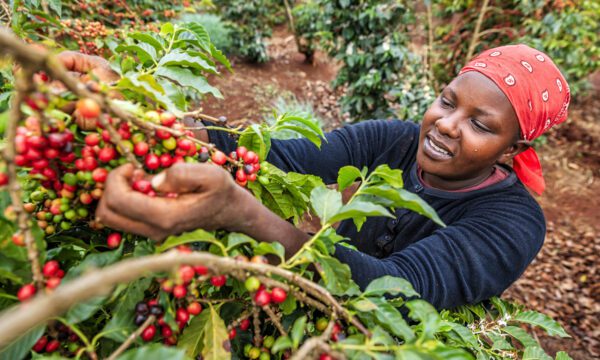
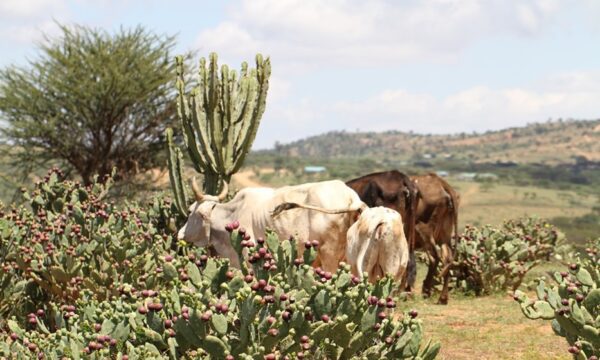
Invasive species emerge as a driver of human displacement, new research shows
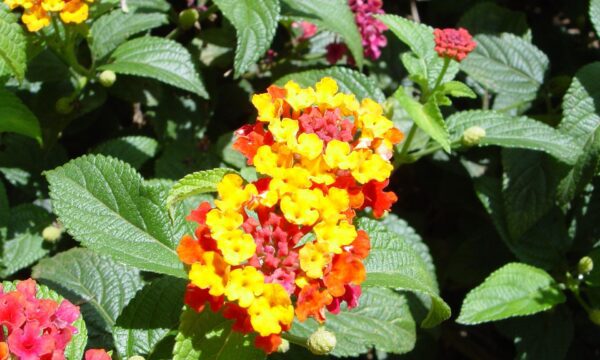
Invasive plants in hedges in eastern Africa are threatening local ecosystems

Documents
CABI in Africa Newsletter - November 2025
News and stories from CABI in Africa
Africa Plant Health Systems Forum Communique
The Africa Plant Health Systems (APHS) Forum, held in Nairobi, Kenya, from October 23–24, 2024, aimed to provide a platform for international collaboration, knowledge sharing and learning to strengthen plant health systems in Africa. Organized by CABI under the theme “Knowledge-Driven Solutions for Africa’s Plant Health Systems”, the forum built upon CABI’s extensive legacy of collaborative efforts to enhance plant health. Read more about this inaugural event.
CABI in Africa Newsletter - November 2024
News and stories from CABI in Africa
CABI in Africa Annual Conference and Plant Health Systems Forum Abstracts Booklet
The inaugural CABI in Africa Annual Conference and Africa Plant Health Systems Forum 2024, themed “Knowledge-Driven Solutions for Africa’s Plant Health Systems” builds upon a rich history of collaborative efforts within the plant health system and strategic evolution within CABI. This booklet details the abstracts of those presentations given across the four-day event.
CABI in Africa Newsletter - May 2024
News and stories from CABI in Africa
CABI in Africa Newsletter - November 2023
News and stories from CABI in Africa
CABI in Africa Newsletter - July 2023
News and stories from CABI in Africa
CABI in Africa Newsletter - November 2022
News and stories from CABI in Africa
Related projects
Sustainable management of fall armyworm in Botswana
During 2017-18, the invasion of the Fall Armyworm (FAW) in Botswana posed a serious threat to food and nutrition security for vulnerable farming communities and households. Surveillance of pests, known as pest monitoring, will help mitigate the negative impacts of FAW in the country and will also promote the wider use of Integrated Pest Management (IPM) for sustainable management of the pest. This project will work towards strengthening the capacity of stakeholders in these two areas of management whilst supporting the development of a national strategy for the sustainable management of FAW in Botswana.
Start:01/07/19 -End:31/07/21