
Rearing natural enemies to control crop pests in Pakistan
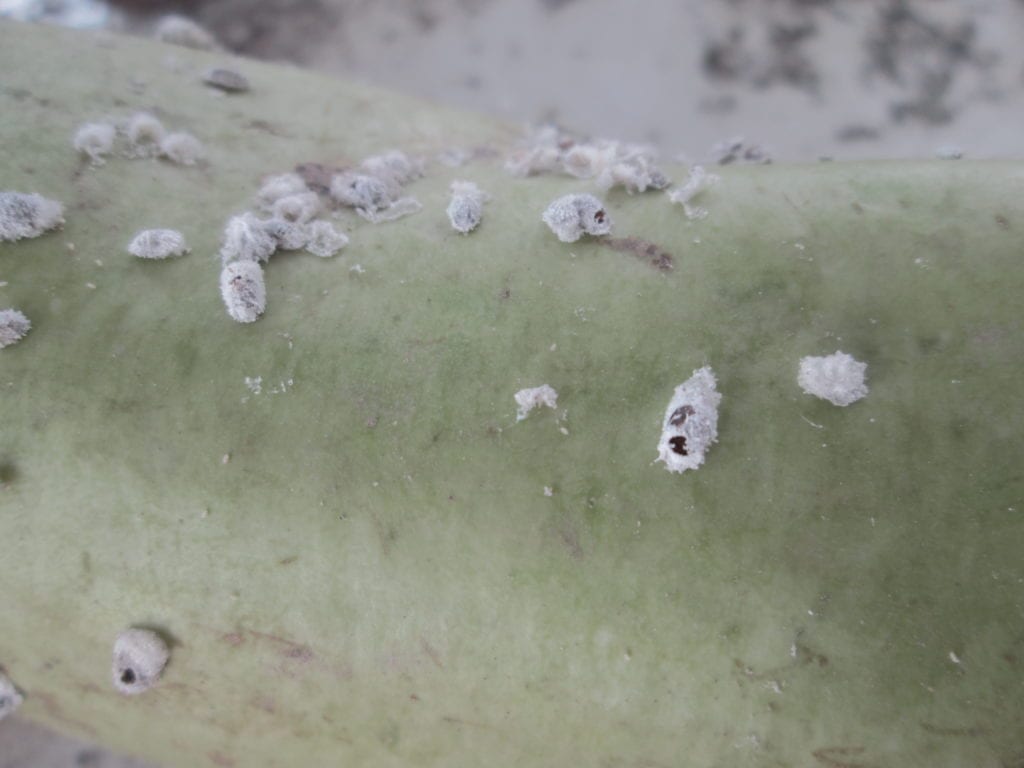
Protecting crops from pests and diseases in Pakistan is still reliant on unsustainable pesticide practices. Between 1980 and 2004 the use of pesticide increased by over 6,600 percent, despite yields remaining stagnant over the same period. Since 2004, Integrated Pest Management (IPM) methods have proved successful for reducing pesticide use…
CABI scientists track wheat aphids and their natural enemies for better pest management in Pakistan
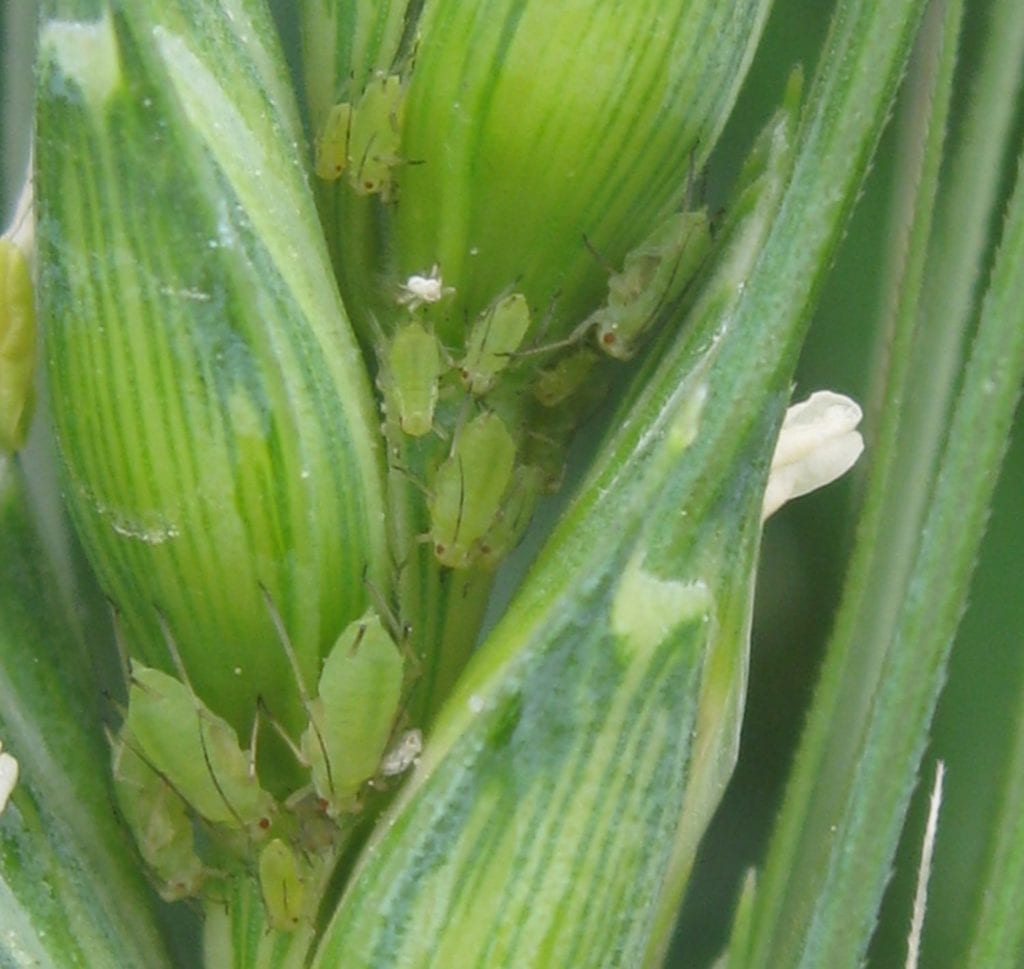
For the first time, CABI scientists have studied the distribution and population dynamics of wheat aphids and their natural enemies in Pakistan through seasons and periods of time. This research could be useful to develop better pest management methods and safer, healthier crops in wheat production.
Evaluation of fungal pathogens for biocontrol of cat’s claw creeper
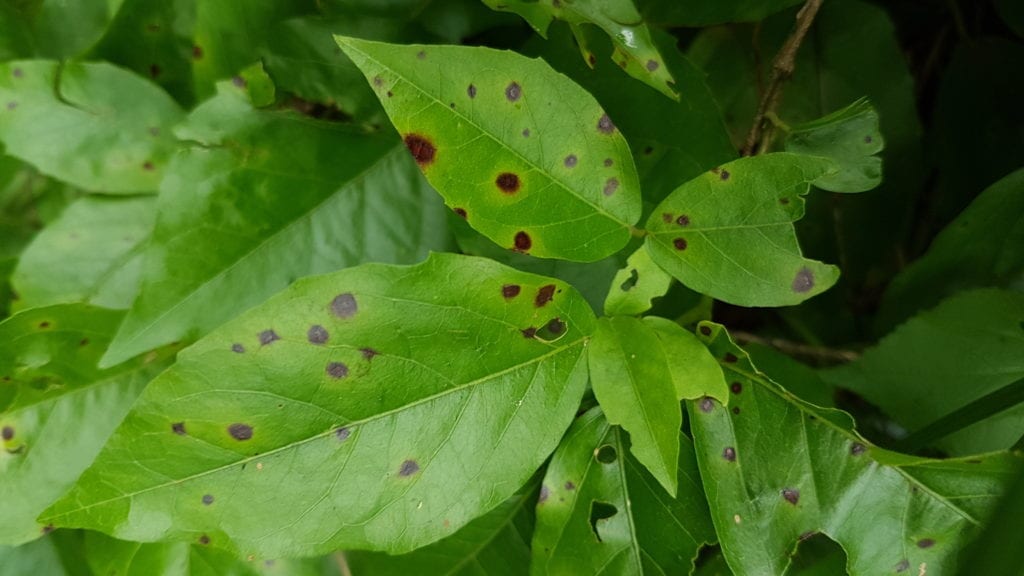
Cat’s claw creeper is a vigorous vine native to tropical Central America and northern South America. Introduced into Australia for ornamental purposes, this troublesome liana escaped cultivation and is now regarded as a significant environmental weed.
Integrating advanced Earth Observation and environmental information for sustainable pest and disease management
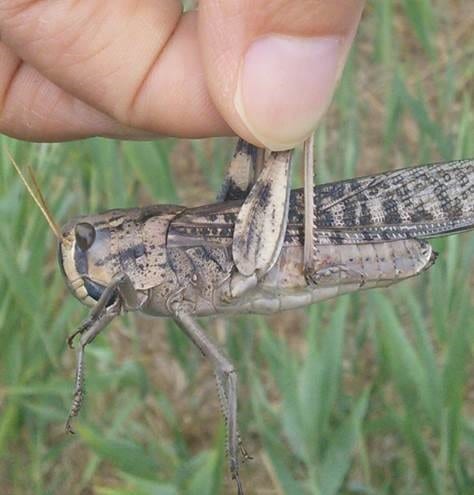
Forecasting and monitoring insect pests and disease outbreaks is vital for protecting China’s economically important agricultural sector. By combining information gathered from Earth Observation and environmental data, CABI and partners will design innovative data products and communications tools to help decision makers sustainably manage wheat yellow rust and migratory locusts.…
Addressing scale insect threats in Kenya
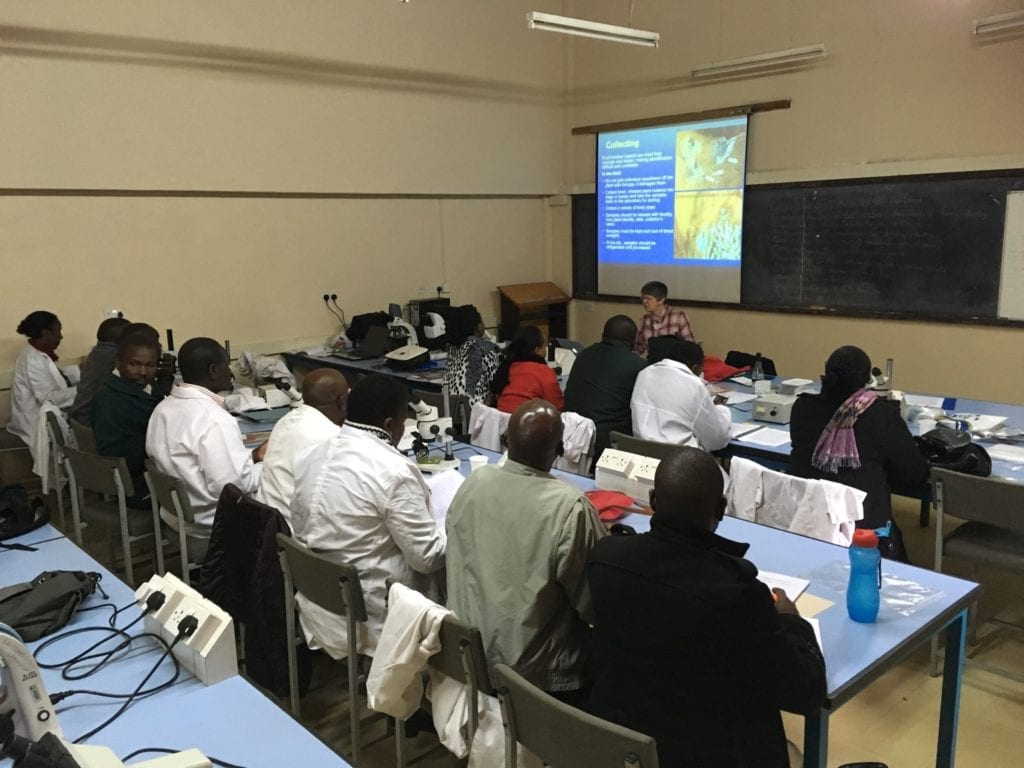
In Kenya, scale insect pests are damaging native trees and crops and, consequently, causing yield losses of up-to 91%. Smallholders’ awareness of the threats posed by these insects is low because they are small and cryptic, whilst local entomologists cannot easily identify them.
Value of biological controls to fight crop pests highlighted at symposium in Chile
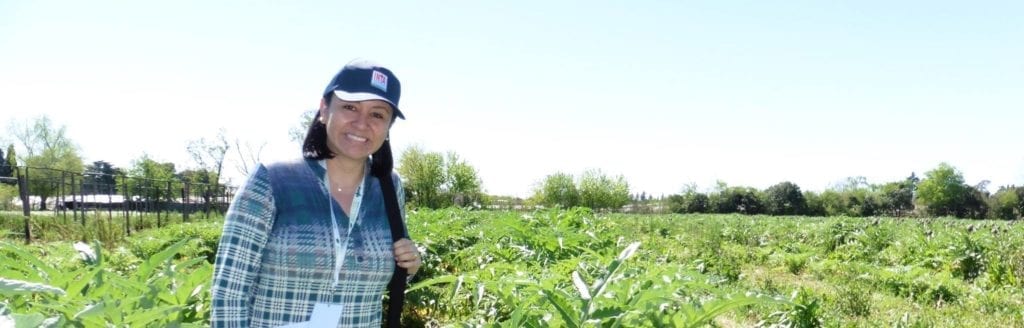
The benefits of using biological controls to fight a range of crop pests threatening food security in the Neotropical region has been highlighted by CABI at the 4th Chilean Biological Control Symposium and the 1st Latin American Biological Control Symposium held this week in the city of Chillán, Chile.