
Harmonizing quarantine pest lists for a ASEAN Pest Database
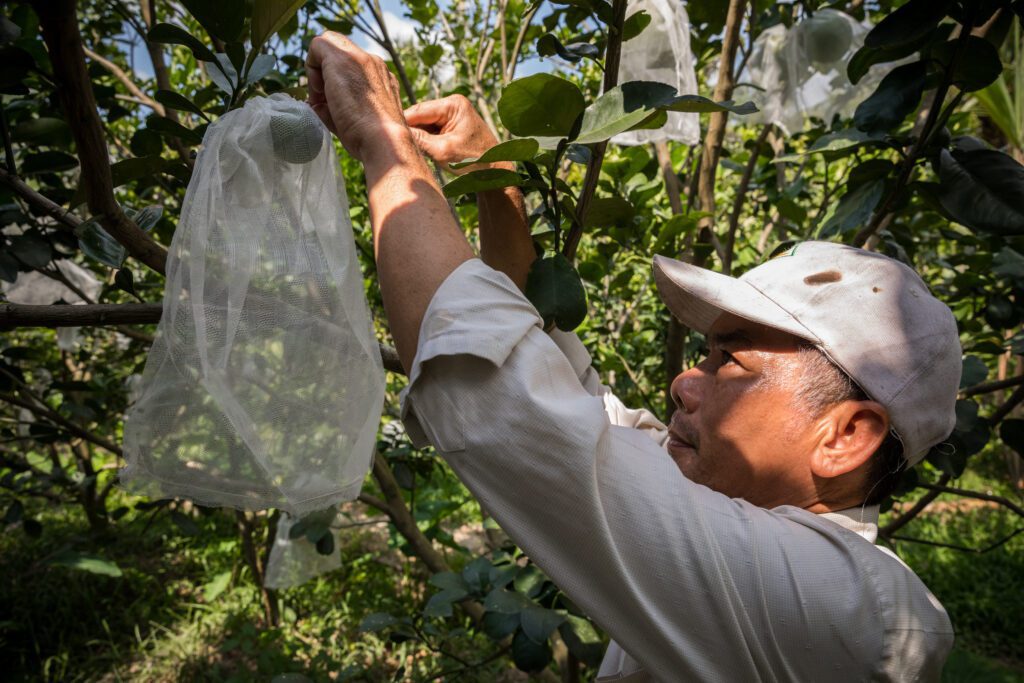
The Association of Southeast Asian Nations (ASEAN) member states face challenges in managing quarantine pest-related information due to fragmented data systems, inconsistent assessment methods, and limited coordination among National Plant Protection Organizations (NPPOs). These gaps hinder timely responses to emerging pest threats and complicate regional efforts in evidence-based pest management.…
Strengthening taxonomy and plant health diagnostics across ASEAN
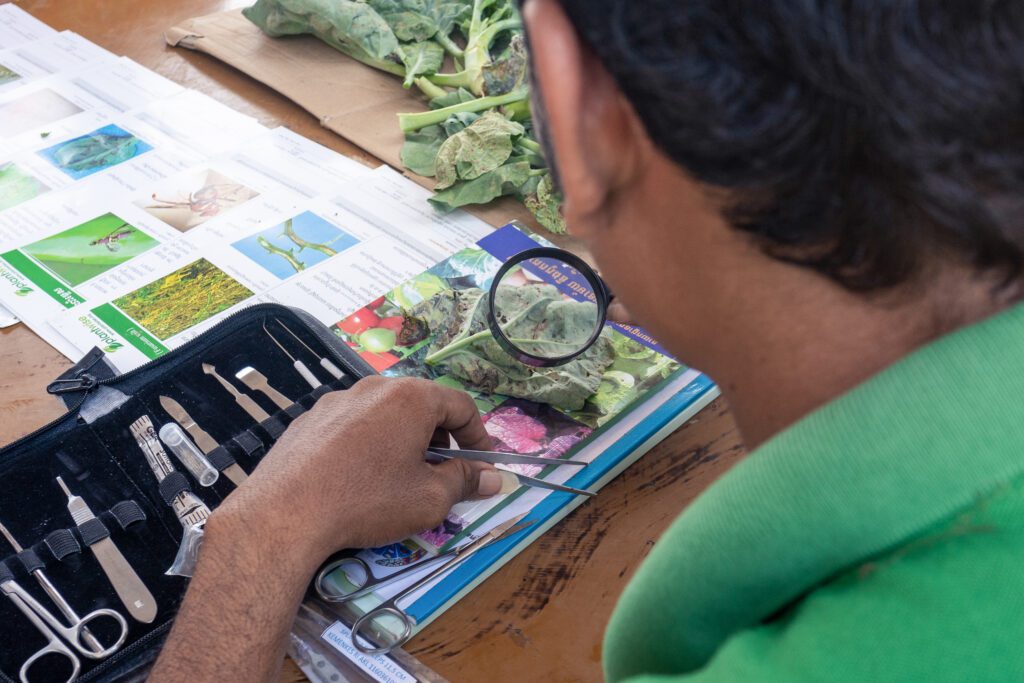
Southeast Asia is one of the world’s most biodiverse regions, yet this biodiversity is increasingly threatened by invasive pests, diseases and environmental pressures. Limited capacity in classification (taxonomy) and diagnostics of pests and diseases have further consequences on biodiversity conservation, compliance with international agreements and access to regional and global…
Lantana camara emerges as the most widespread invasive plant in eastern and southern Africa
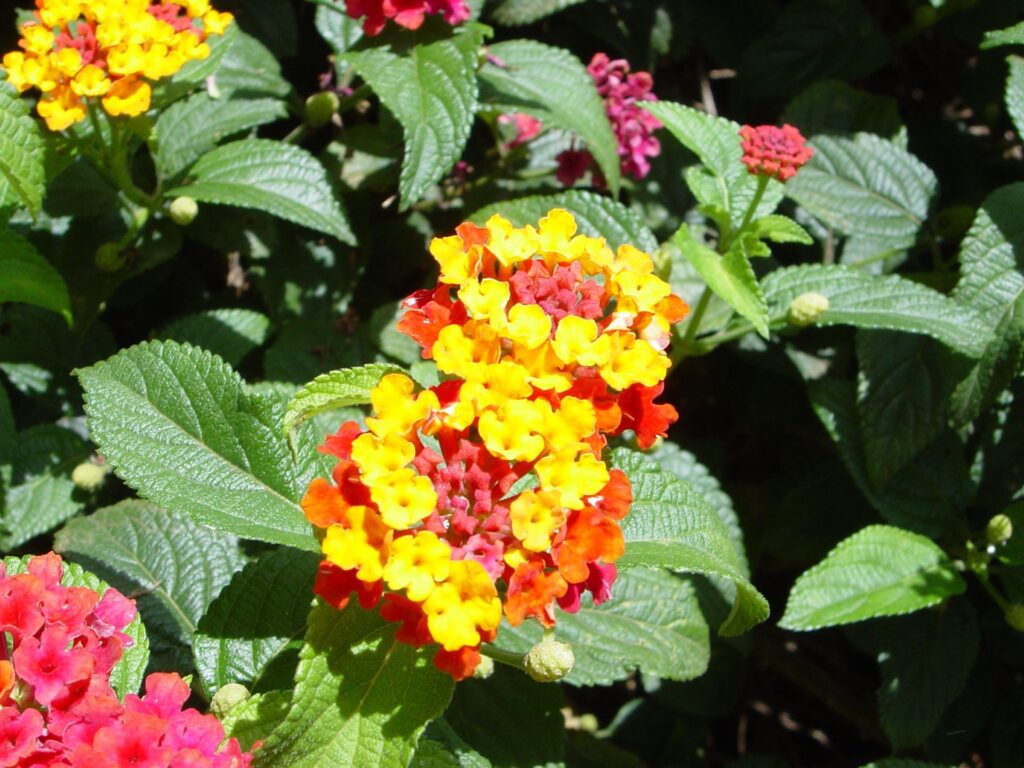
Lantana camara has emerged as the most widespread invasive plant species in eastern and southern Africa, according to CABI-led roadside surveys that recorded 708 non-native species across 11 countries. The inventory provides a vital baseline for invasive species management and policy.
CABI signs Host Country Agreement with Ethiopia

CABI has signed a Host Country Agreement with Ethiopia, marking a major milestone that deepens collaboration and strengthens efforts to support the country’s agricultural transformation through plant health, digital agriculture, and sustainable value‑chain development.
Invasive prickly pear pest Opuntia stricta could cost sub-Saharan Africa USD 307 billion over the next 50 years
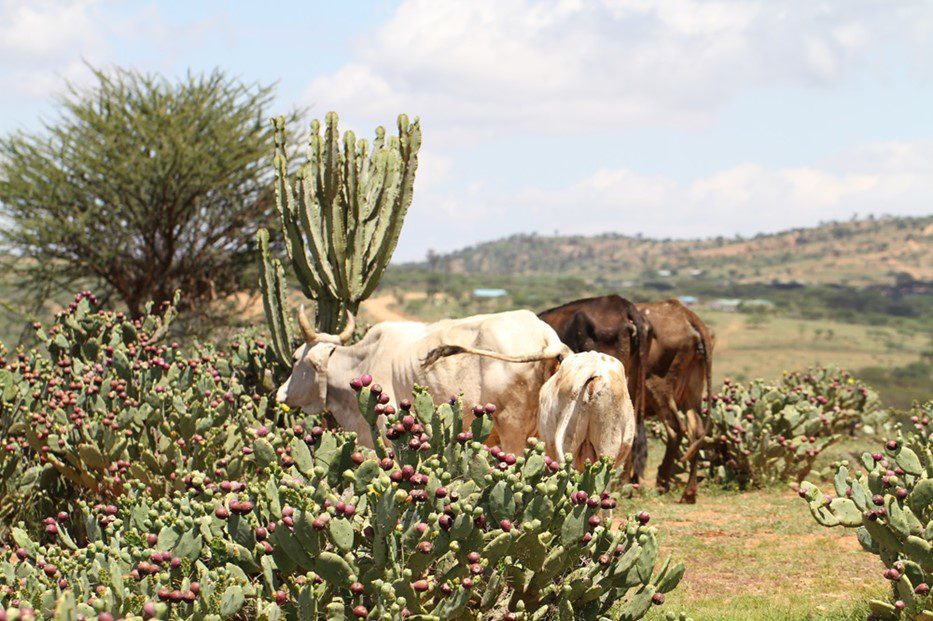
CABI-led research published in the journal Biological Invasions suggests that the invasive prickly pear pest Opuntia stricta could cost sub-Saharan Africa USD 307 billion in lost livestock production over the next 50 years. The authors argue that current costs associated with the “loss” of forage growing under and near O.…
New Zealand Minister for Science, Innovation and Technology visits MARA-CABI Joint Laboratory to strengthen China–New Zealand research collaboration

The MARA-CABI Joint Laboratory for Biosafety, based at the Institute of Plant Protection, Chinese Academy of Agricultural Sciences (IPPCAAS), was honoured to welcome a delegation from New Zealand led by Hon. Dr Shane Reti, Minister for Science, Innovation and Technology. This visit is based on the long-term collaborative research between…