
Improving banana agronomy practices for small scale farmers in East Africa
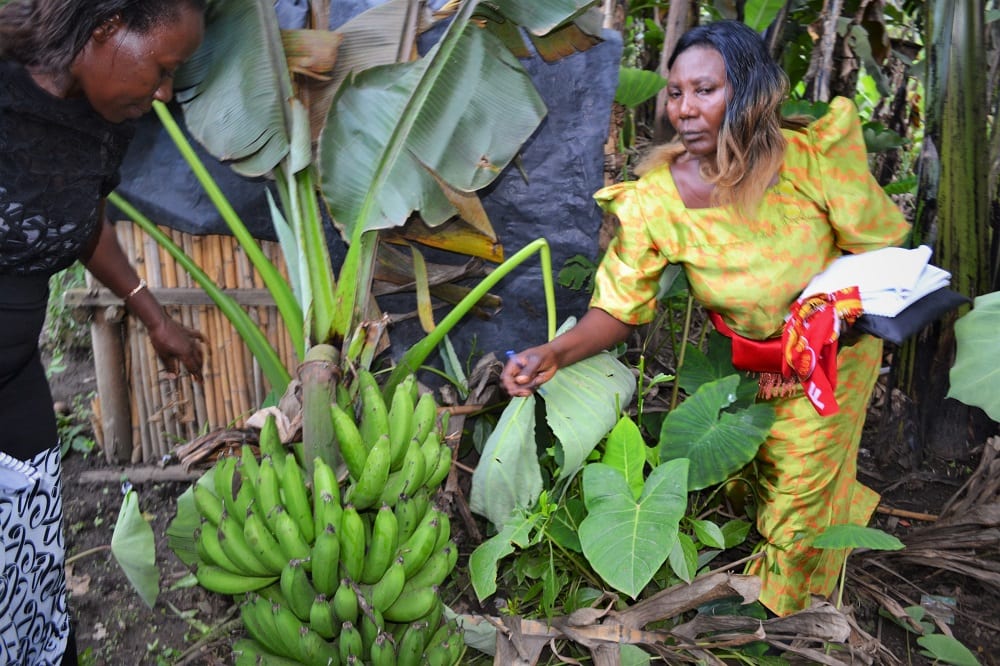
Over 50 million people in East Africa depend on highland bananas for their food and/or income. Annually, the crop’s production is worth around $4.3 billion, However, pests and diseases, nutrient deficiencies and drought stress continue to affect average productivity of banana. This project is working with private and public partners…
CABI joins FAO in official launch for International Year of Plant Health 2020
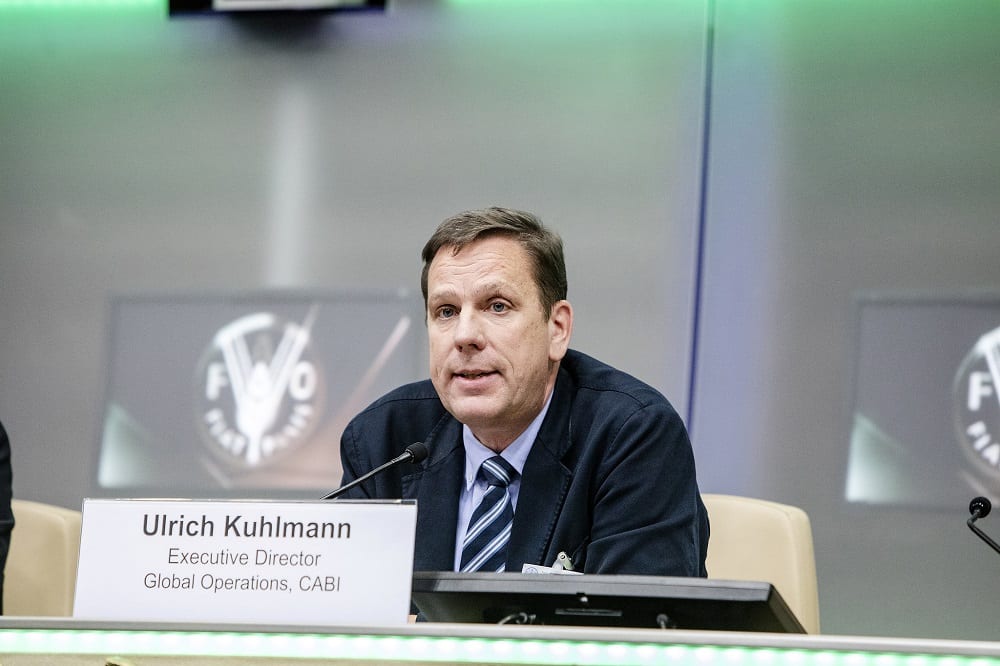
Dr Ulrich Kuhlmann - Photo: FAO CABI this week joined the Food and Agriculture Organisation (FAO) for the official launch of the inaugural International Year of Plant Health (IYPH) 2020, previously proclaimed as part of a resolution adopted by the UN General Assembly in December 2018.…
CABI teams up with Koppert to lead biological fight against devastating tomato pest in Kenya
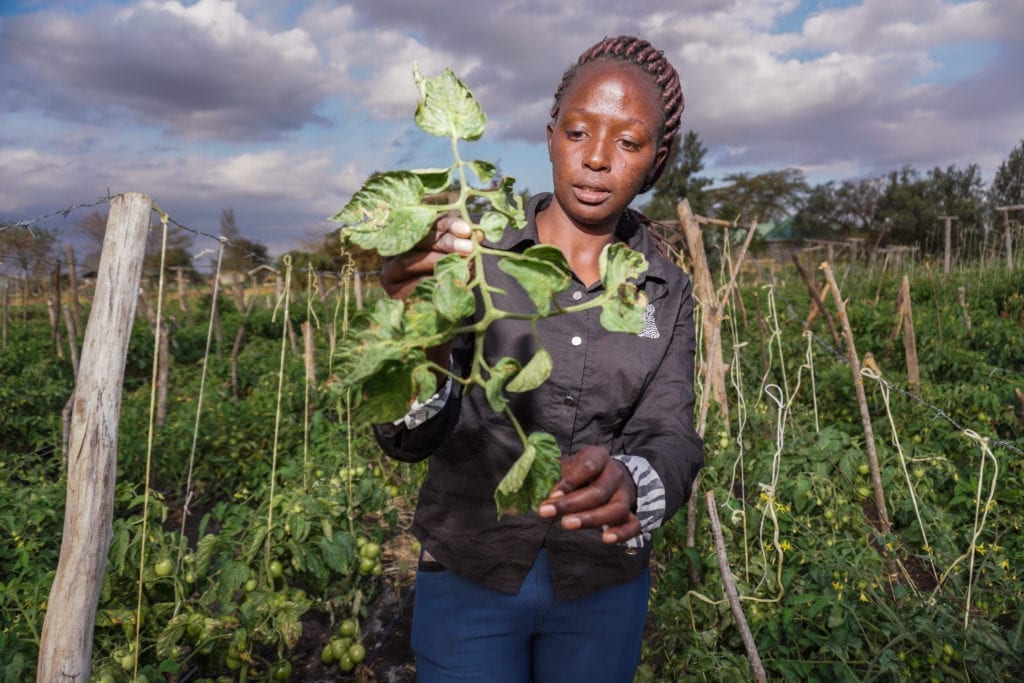
CABI has joined forces with world-leading biological control specialists Koppert to step-up a more sustainable fight against the tomato farmer’s worst enemy – the tomato leafminer, known scientifically as Tuta absoluta – which in Kenya alone causes 50-80 percent yield loss if no control method is applied.
Demonstrating biological approaches for sustainable management of tomato leafminer in Kenya
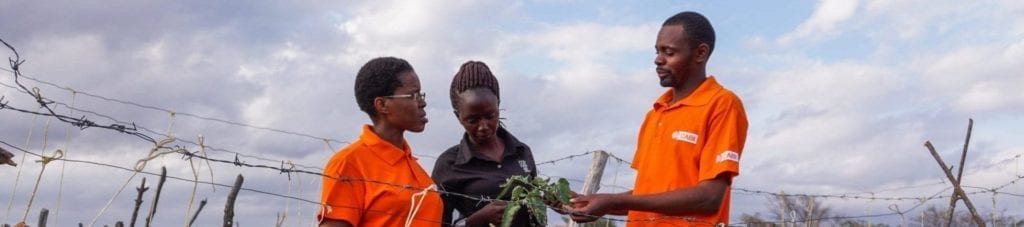
Since 2014, the tomato leafminer has become the most serious threat to the sustainable productivity of tomato in Kenya, causing up to 80% yield loss. Almost 98% of farmers’ crop suffer from this pest and when using pesticides as a control method, only 27% of farmers report success. Building on…
Commercial Agriculture for Smallholders and Agribusiness (CASA) programme

CASA aims to drive global investment for inclusive climate-resilient agri-food systems that increase smallholder incomes.
CABI scientists track wheat aphids and their natural enemies for better pest management in Pakistan
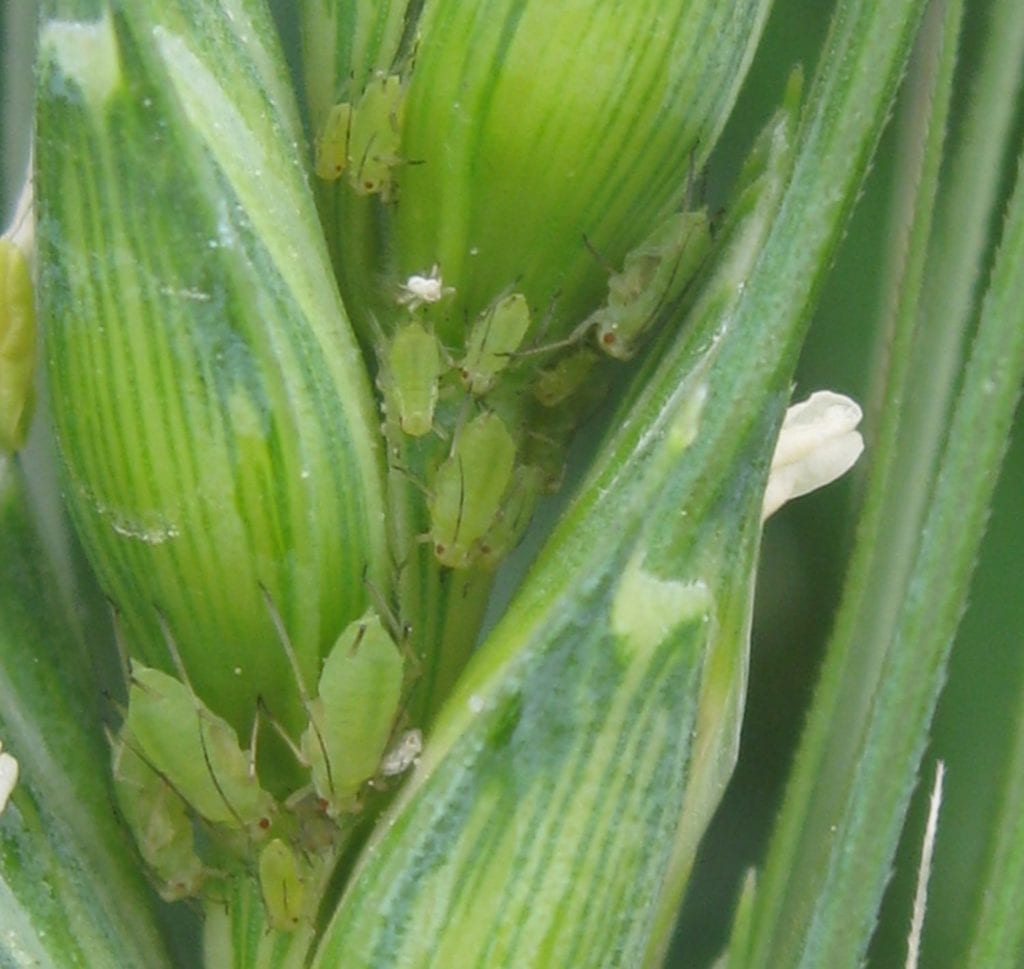
For the first time, CABI scientists have studied the distribution and population dynamics of wheat aphids and their natural enemies in Pakistan through seasons and periods of time. This research could be useful to develop better pest management methods and safer, healthier crops in wheat production.