
Control of fall armyworm in Eastern Africa
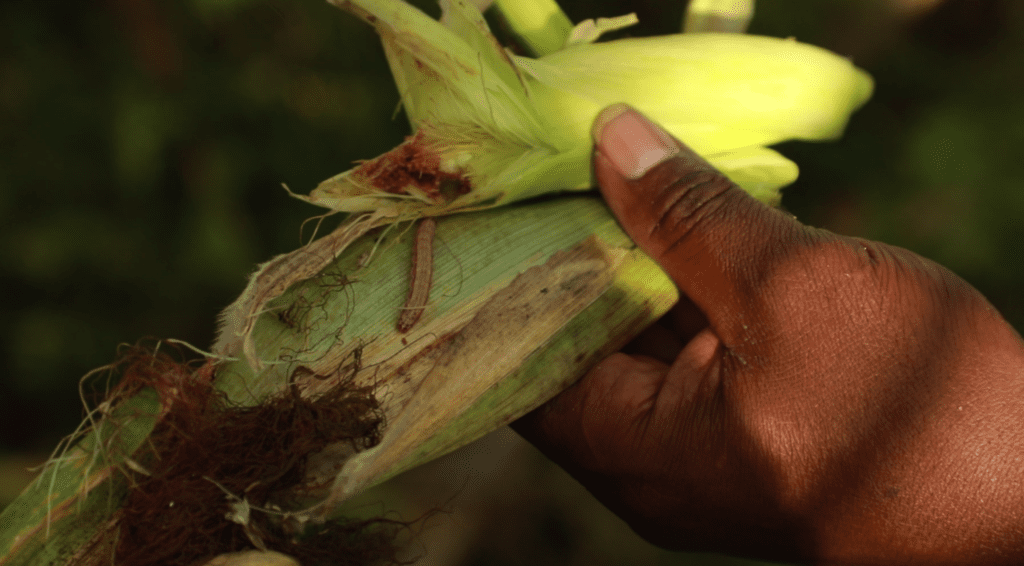
In Africa, the fall armyworm is a pest causing significant destruction and devastation to crops. It is estimated to cause 8-20 million tonnes of maize losses each year and due to little knowledge of the pest and ways of managing it, the impacts can be catastrophic. With partners, CABI developed an emergency response strategy that empowered local communities of six target countries to…
African Crop Epidemiology System (ACES)
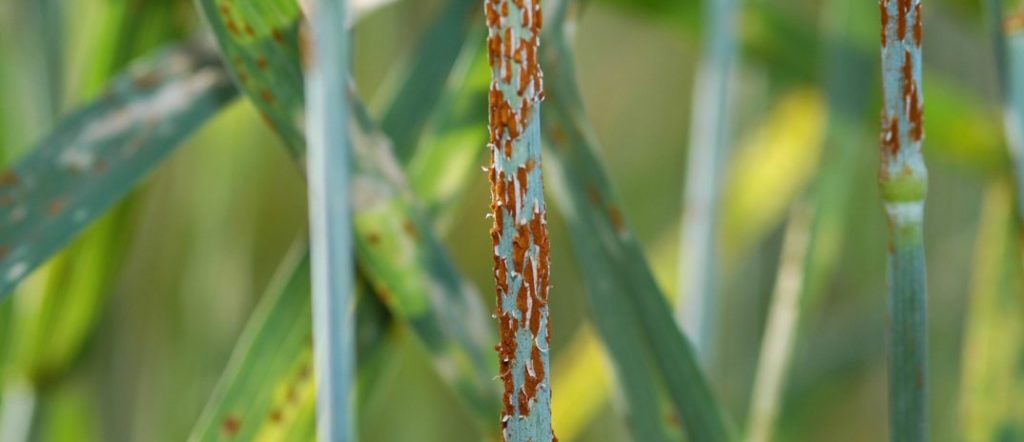
The increasing frequency and severity of pest (insects, pathogens and weeds) outbreaks are causing huge crop losses in Sub Saharan Africa. Reducing such losses requires the application of robust plant protection measures at farmers’ levels. Pest-mediated crop losses exceed 50% in both West and East Africa, but losses in northwest…
Surveillance of potato diseases in Kenya
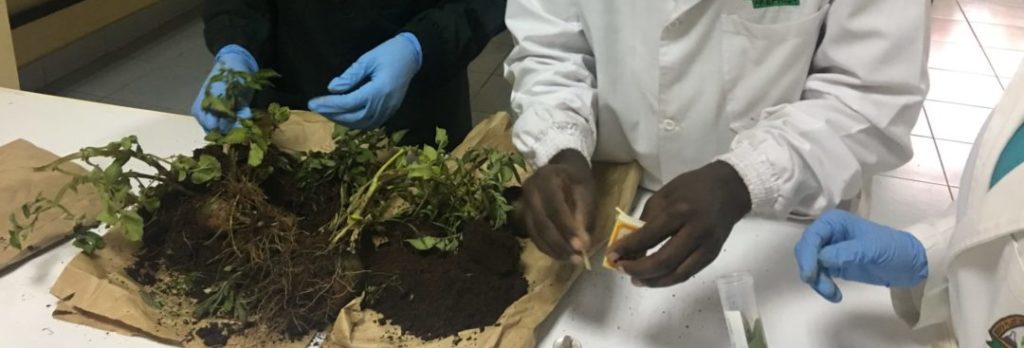
Potato is one of the most widely grown crops in Kenya. The sector contributes almost USD 30m per year and employs 3.3 million people. However, the yield has been reducing significantly over the last decade, 12.4 t/ha below the global average of 21 t/ha. This has been attributed to a…
Piloting biopesticide use to manage fall armyworm in South Sudan
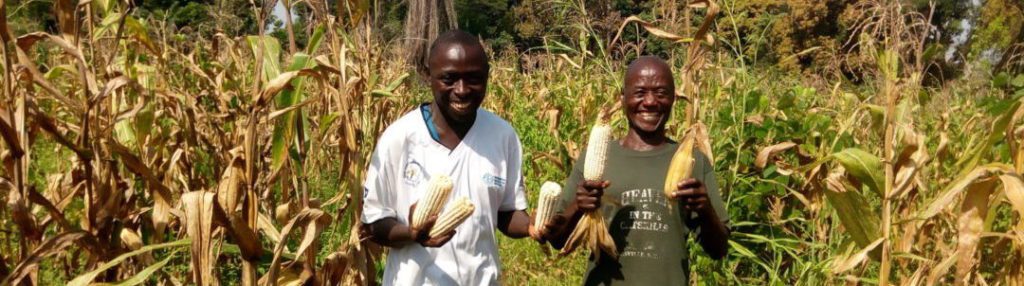
Crop protection in Africa relies heavily on the use of synthetic chemical pesticides. They are perceived to be more effective than other methods but human health concerns and the resistance to them in pest populations is shifting the tide towards lower risk pest management methodologies. Biopesticides are considered a suitable…
Sustainable management of fall armyworm in Botswana
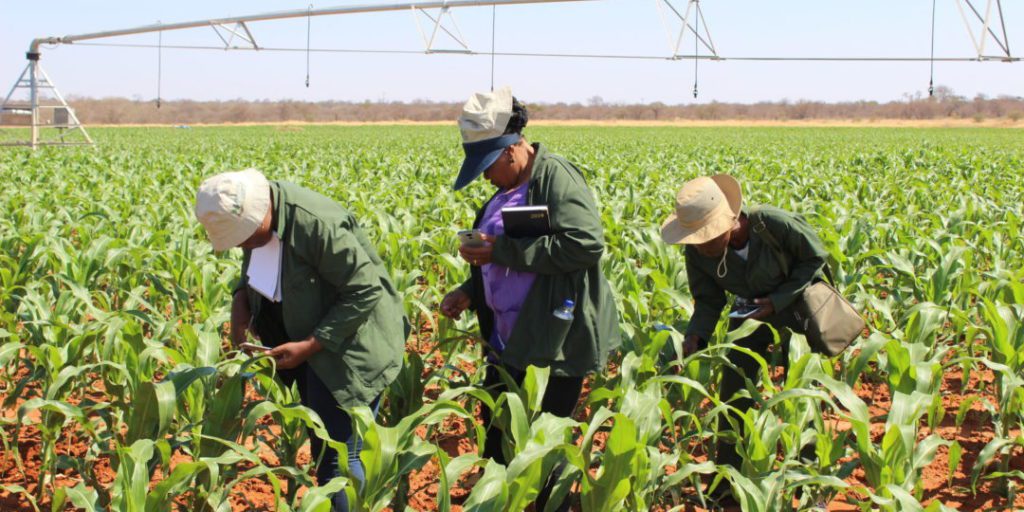
During 2017-18, the invasion of the Fall Armyworm (FAW) in Botswana posed a serious threat to food and nutrition security for vulnerable farming communities and households. Surveillance of pests, known as pest monitoring, will help mitigate the negative impacts of FAW in the country and will also promote the wider…
Promoting domestic coffee consumption in Africa
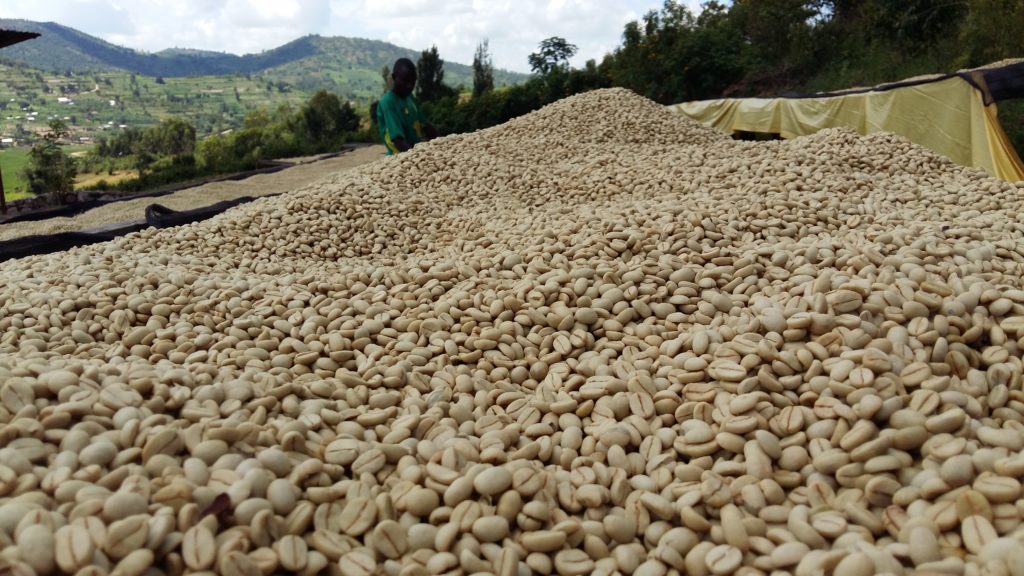
Coffee is a primary source of income for more than 12 million households in Africa, and, in particular for rural-based populations. Over 38% of the total population of Burundi, 23% Tanzania, 22% Uganda, 17% Côte d’Ivoire and 14% Ethiopia, for example, depend on coffee farming. Production of the crop has,…