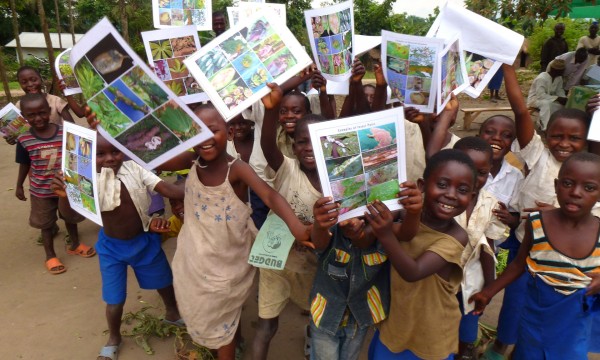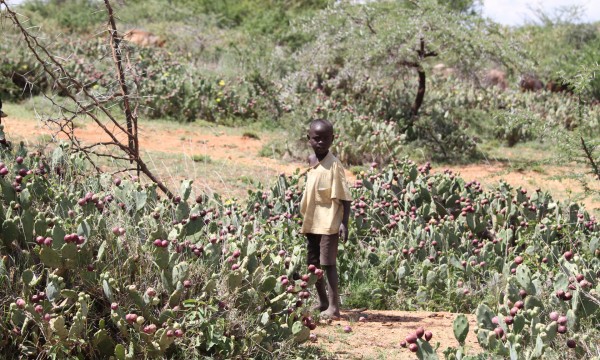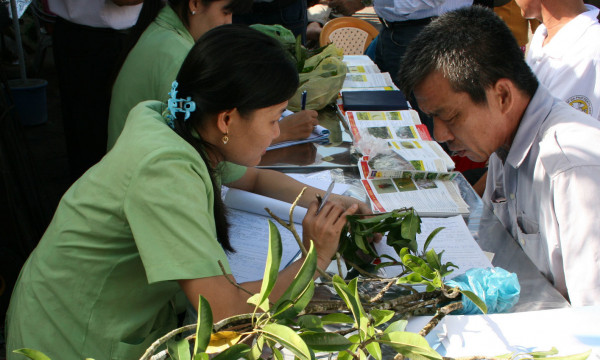
By helping farmers improve the quality and safety of what they grow, process and sell, CABI helps create sustainable value chains and breaks down barriers to trade
The challenge
With global population growing fast, and food demand expected to double by 2050, creating sustainable food value chains and breaking down the barriers to trade has never been more important.
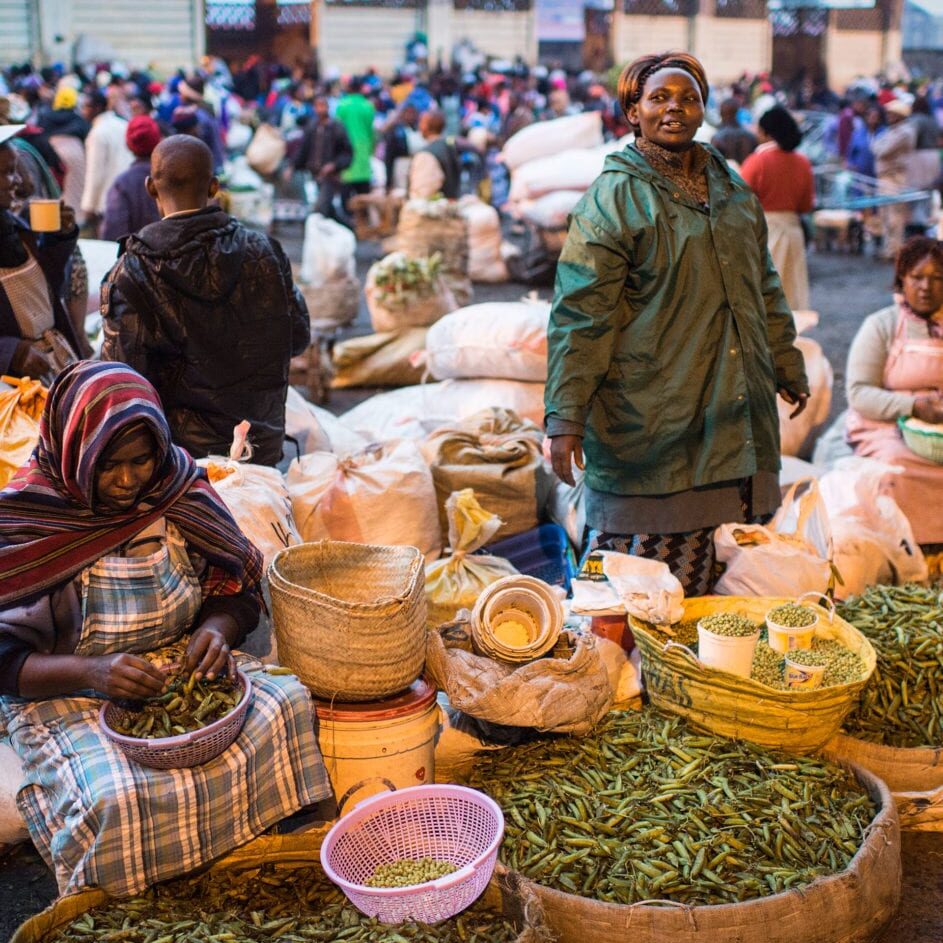
While small-scale farmers in developing countries produce most of the world’s food, they often face hurdles accessing information and technologies to supply lucrative local, national and global markets. Young people in particular can benefit from new opportunities in agricultural trade.
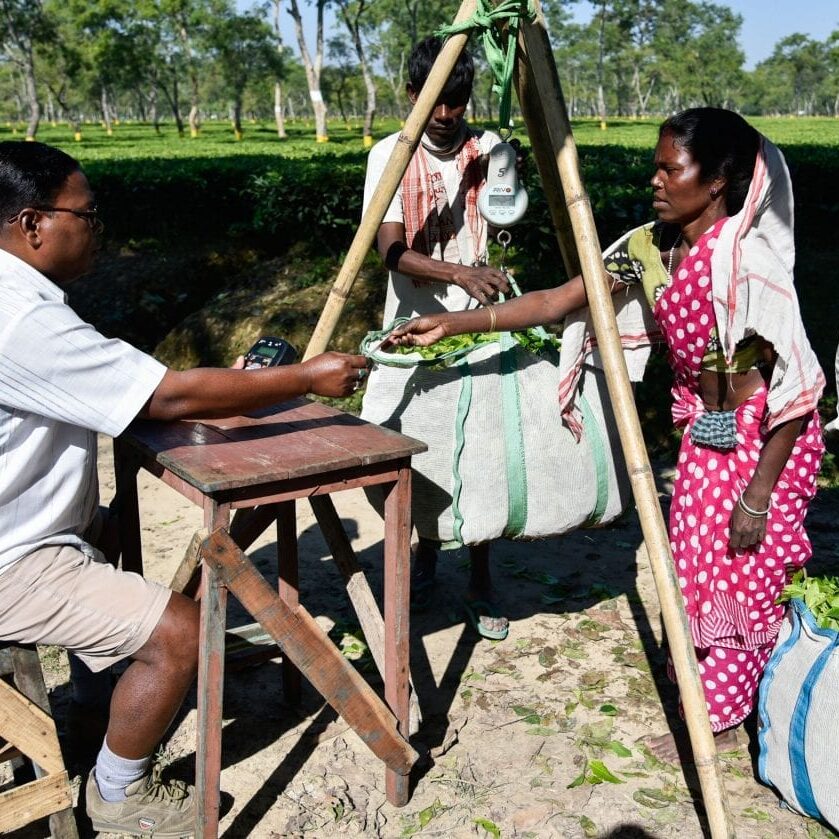
Providing solutions
By combining our expertise in value chains and trade with our knowledge of crop health, development communication, digital development, invasive species, and publishing, we have helped private and public sector partners improve market access.
We have successfully increased value chain efficiency and helped people working in the food supply chain improve their safety compliance for the benefit of consumers by sharing information, skills and technologies. We help farmers meet Sanitary and Phytosanitary (SPS) standards, so that they can protect their produce from contaminants such as diseases and pests and export to markets.
Our knowledge of crop production and processes has helped smallholders produce better harvests and yields, and our expertise in invasive species and pest management has helped strengthen countries’ plant biosecurity.
By working with our donors and partners, we help poor and vulnerable rural communities produce food safely and sustainably, connecting them into value chains and boosting their livelihoods.
Our value chain and trade expertise in more detail
Horticulture is an important source of income for many farmers. We help smallholders access value chains by building their knowledge of integrated crop management.
Palm trees produce a variety of commercial products including coconut oil and dates. We help farmers address the specific issues associated with growing palm trees and access export markets.
Tree crops, such as cocoa, produce a variety of commercial products. We help farmers address the specific issues associated with growing tree crops and access export markets.
Lead contact
For more information and enquiries about our expertise in value chains and trade, please get in touch.
Sorry, we couldn't find any posts. Please try a different search.
Stories of Impact
Read about the variety of work CABI delivers, and the difference we make
Related Projects
Explore our recent projects from around the world
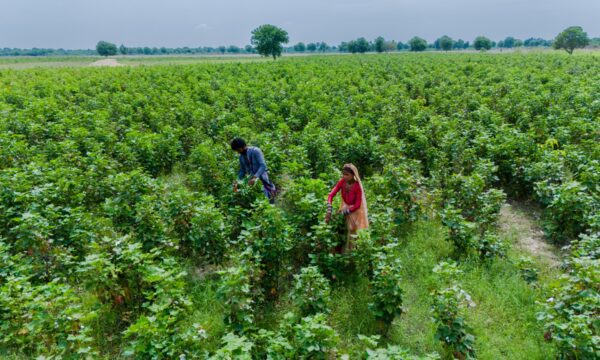
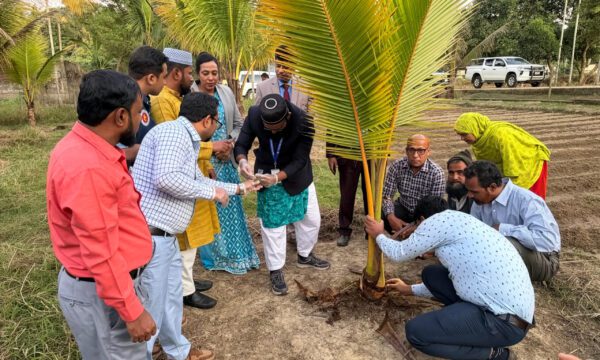
Strengthening Pakistan’s biodiversity governance
CABI is supporting Pakistan to develop its first national guidelines for Other Effective Area-Based Conservation Measures (OECMs), strengthening biodiversity governance, improving conservation planning, and helping the country achieve its commitments under the Kunming-Montreal Global Biodiversity Framework and the global 30×30 target
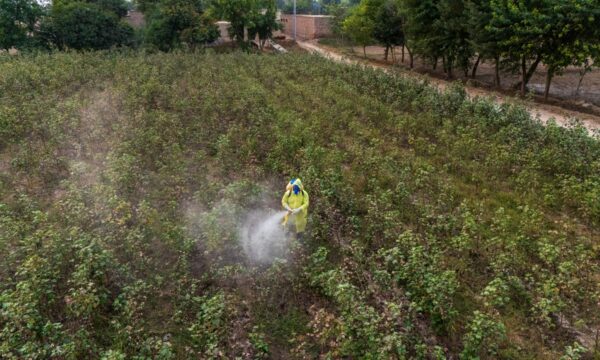
Reducing risks from highly hazardous pesticides in Pakistan
Highly hazardous pesticides (HHPs) pose serious risks to people and the environment. Working with national partners, CABI is helping Pakistan strengthen pesticide regulation, improve poisoning surveillance, support evidence-based policy, and promote safer alternatives for sustainable agriculture.
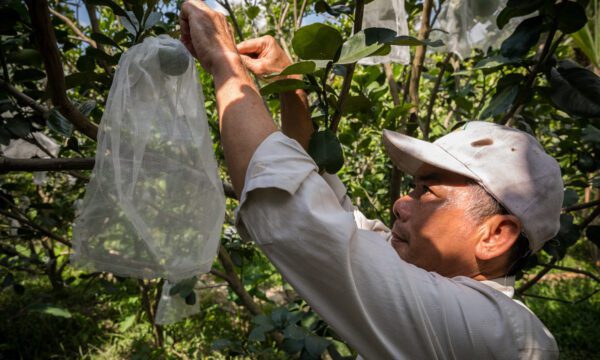
Harmonizing quarantine pest lists for a ASEAN Pest Database
The Association of Southeast Asian Nations (ASEAN) member states face challenges in managing quarantine pest-related information due to fragmented data systems, inconsistent assessment methods, and limited coordination among National Plant Protection Organizations (NPPOs). These gaps hinder timely responses to emerging pest threats and complicate regional efforts in evidence-based pest management. The Task Force on ASEAN Pest Database (TF-APD), has been established to create a regional platform for quarantine pest information, with CABI serving as the Technical Secretariat.
Featured Publications
Papers and other publications that we hope you find enlightening
Consumer pesticide concerns and the choice of fruit and vegetable markets in five low- and middle-income countries
DOI https://doi.org/10.1016/j.gfs.2024.100801
Type Journal article
Published in Global Food Security, 42
Language English
Year 2024
Insights into farmer group effectiveness for promoting the adoption of safe food production standards
DOI https://dx.doi.org/10.1079/CABICOMM-62-8176
Type Study brief
Published in Study Brief 46: Learning
Language English
Year 2023