
A trade first: Kenya opens UK market to Apple mango exports
Summary
Kenya’s mango farmers have long faced export barriers due to sanitary and phytosanitary (SPS) standards, limiting access to premium markets. With support and training from CABI and partners, they have improved pest management and met trade requirements, leading to a key milestone: in 2025, Kenya shipped its first-ever Apple mangoes to the UK, demonstrating how targeted support can boost incomes and strengthen economies.
The story
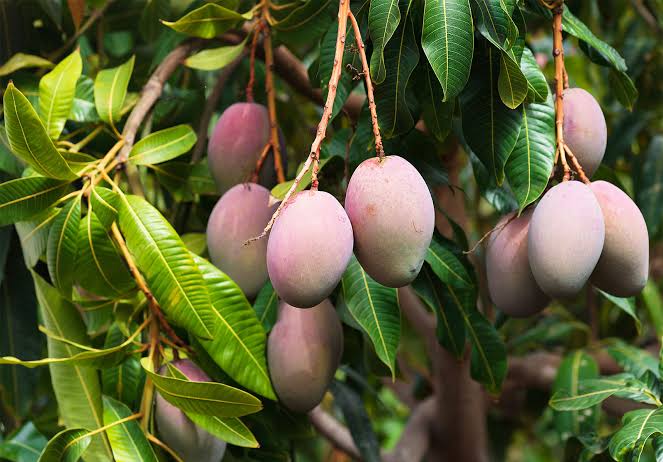
While smallholder farmers produce most of the world’s food, they often face barriers that limit their access to global trade. For years, Kenya’s mango farmers have produced large volumes of the popular Apple mango. However, entering premium markets, such as the UK, has remained a challenge. Pests and diseases, and strict sanitary and phytosanitary (SPS) requirements, designed to prevent the spread of pests such as fruit flies, have restricted exports. These measures are necessary for food safety and to protect against the spread of plant pests, but mean smallholders are confined to less lucrative markets. Despite strong demand for fruits such as mangoes, pests pose a serious problem and can even lead to export bans.
To tackle these barriers, TradeMark Africa (TMA) led a project in partnership with relevant Kenyan government agencies, private sector players, and the County Government of Makueni to make interventions to strengthen the country’s Apple mango production and exports. These efforts spanned the value chain, from improving pest diagnostics and surveillance to enhancing farmer training, certification processes, and compliance with international standards. The work has helped smallholder mango growers to meet the requirements needed for export.
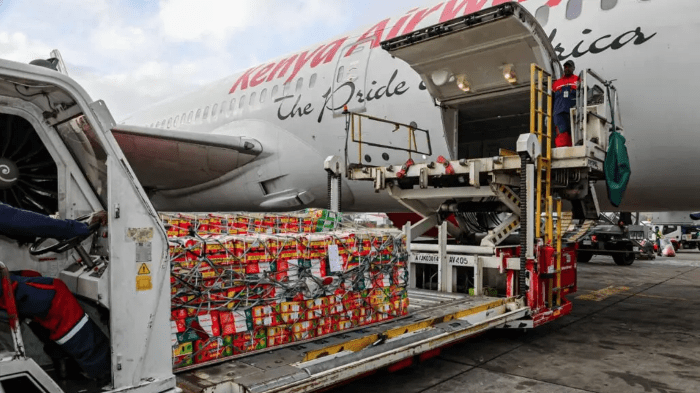
Through these coordinated efforts, TMA, CABI, the Fresh Produce Exporters Association of Kenya, the Fresh Produce Consortium of Kenya, the Kenya Export Promotion and Branding Agency, Gaute Fresh Ltd and Keitt Ltd successfully shipped their first-ever consignment of Apple mangoes to the UK in December 2025. This pilot demonstrated that the country’s farmers could meet SPS standards, marking a turning point in market confidence and trade relations. Following the shipment, partners developed a Mango Export Guide to provide guidance on fresh mango export compliance.
The apple mangoes’ successful entry into the UK market is more than a new trade export; it represents an economic opportunity. It will help to stimulate rural employment and agro‑industrial development at the county level. More broadly, it shows how investing in food systems and pest management can transform agricultural trade systems. The Apple mangoes’ journey from Kenyan orchards to UK supermarket shelves is part of a bigger story that shows when we invest in food systems, smallholder farmers can break down barriers to trade and create opportunities to sell their produce internationally.
Expertise
CABI has developed a number of core skills which will ensure it achieves its strategic goals.
Focus
CABI's strategic goals.
Countries
Our work is delivered through dedicated teams and key partners in over 40 countries across the world.
Sustainable Development Goals
Helping small-scale farmers improve their livelihoods by providing knowledge about plant health and access to markets.
Developing a sustainable food system that helps smallholders meet the world's growing need for food.
Organizations must develop and enhance partnerships to find the best and most sustainable solutions to the world's challenges.