
Reducing risks from highly hazardous pesticides in Pakistan
Highly hazardous pesticides (HHPs) pose serious threats to human health and the environment, particularly in low- and middle-income countries where access, use, and storage are often poorly regulated. In Pakistan, pesticide poisoning remains a significant public health concern, especially in rural agricultural communities where highly toxic products are widely available.
To address these challenges, CABI is working with partners and national stakeholders to support the identification and phase-out of HHPs in Pakistan. The project aims to strengthen pesticide regulation, improve pesticide poisoning surveillance and reporting systems, and promote safer pest management alternatives.
Through research, policy engagement, capacity building, and cross-sector collaboration, the project is helping to reduce pesticide-related harm while supporting the transition towards safer and more sustainable agricultural practices.
Project Overview
So, what’s the problem
Since the Green Revolution, pesticides have played an important role in increasing agricultural productivity and supporting food production. However, some highly hazardous pesticides (HHPs) pose significant risks to human health and the environment. These products are associated with acute and chronic poisoning, environmental contamination such as soil, water and air, and negative impacts on biodiversity, including harm to pollinators and other beneficial organisms. In many countries, highly toxic pesticides remain easily accessible despite the availability of safer alternatives.
In Pakistan, both intentional and unintentional pesticide poisoning remain major public health concerns, particularly in rural agricultural areas where highly toxic active ingredients are widely accessible and relatively inexpensive. Although the true scale of the problem is unknown, many poisoning incidents are believed to go unreported because of limited surveillance, inconsistent reporting systems and the lack of standardised reporting mechanisms. This makes it difficult for policymakers and regulatory authorities to fully understand the extent of pesticide-related harm and develop effective, evidence-based interventions.
The banning and phased withdrawal of several highly hazardous pesticide active ingredients represent important progress towards improved pesticide governance; however, significant challenges remain. There is a continued need for coordinated action across the agriculture, health, and environment sectors to identify and phase out the most hazardous pesticides, strengthen monitoring and reporting systems, and promote safer alternatives for crop protection that reduce risks to human health, biodiversity, and ecosystem services.
What is this project doing?
CABI is leading the implementation of the project in collaboration with Centre for Pesticide Suicide Prevention (CPSP) at the University of Edinburgh and national stakeholders in Pakistan to reduce the risks posed by HHPs. The project supports national efforts to identify and phase out the most hazardous pesticides, improve regulatory systems, enhance pesticide poisoning surveillance, and promote safer alternatives for crop protection. This builds on existing work done by CABI in Pakistan on the registration of biopesticides.
A key component of the project is generating evidence to support regulatory decision-making. CABI is leading field-based assessments and evidence of unintentional acute pesticide poisoning (UAPP) among farming communities in South Punjab using the Tool for Monitoring and Assessing Pesticide Poisoning (T-MAPP) application developed by Pesticide Action Network UK (PAN UK). The tool enables the systematic collection of standardised data on pesticide exposure, poisoning symptoms, work practices, use of personal protective equipment, and associated risk factors. The evidence generated is informing pesticide risk reduction strategies, regulatory review processes, and national efforts to phase out of HHPs.
The project is also working closely with regulatory authorities and other stakeholders to improve pesticide governance and contribute to national commitments to reduce reliance on HHPs. Through multi-stakeholder consultations and the National Forum on Pesticide Risk Reduction (PRR), CABI is helping to improve collaboration between the agriculture, health, environment, research, and extension sectors These activities promote alignment with FAO/WHO guidelines and relevant international conventions on pesticide management.
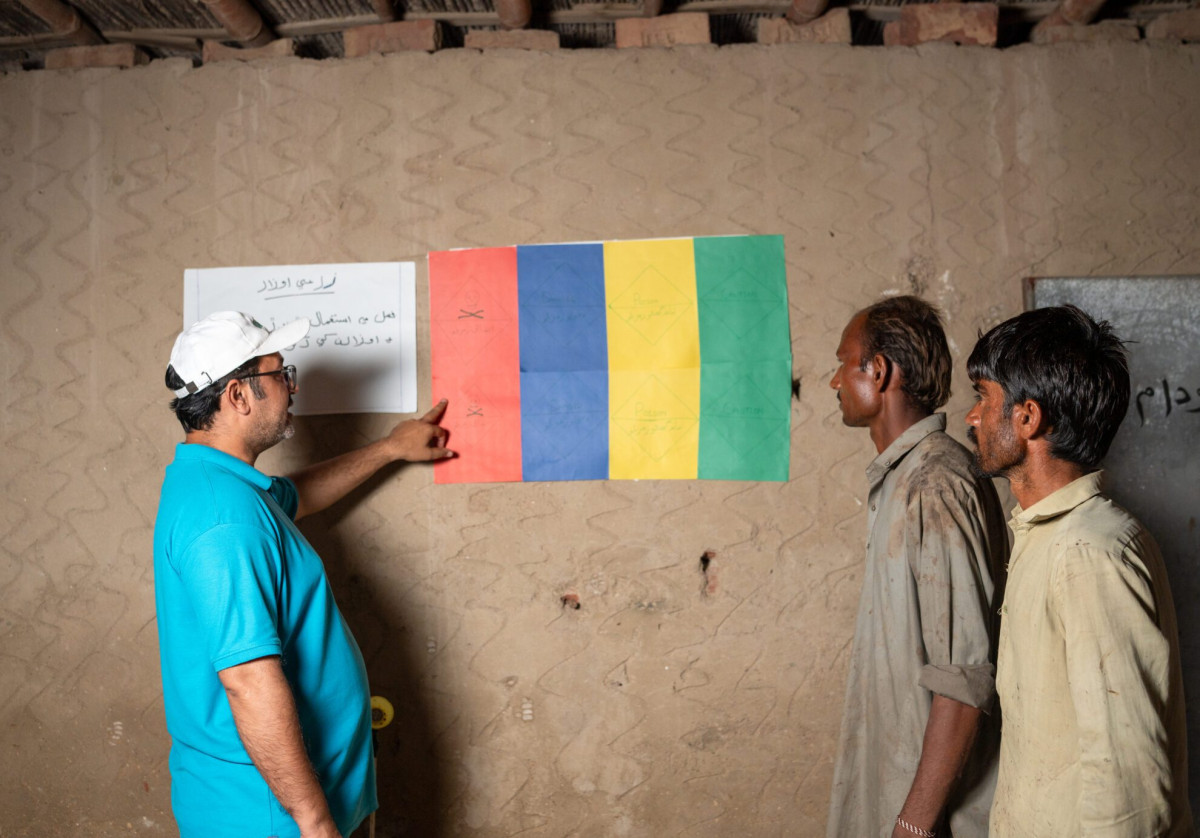
In parallel, the project promotes ecological and lower-risk crop protection approaches, including biopesticides, as alternatives to high-risk pesticides. Capacity-building initiatives for agro-dealers and other stakeholders, such as the development of training materials and pesticide risk-reduction pamphlets, aim to improve pesticide handling practices and increase awareness of safer pest management options.
Results
Since the project began in April 2024, CABI has conducted field-based assessments of UAPP among farming communities in South Punjab, generating evidence on pesticide exposure, poisoning incidents, and associated risks. The findings are contributing to scientific publications and policy recommendations that inform pesticide risk reduction strategies and regulatory decision-making.
The project has facilitated engagement with key regulatory authorities, including the Department of Plant Protection (DPP) and Pest Warning and Quality Control of Pesticides (PW&QCP), as well as stakeholders from the agriculture and health sectors. These engagements have improved coordination, increased awareness of pesticide-related risks, and supported more evidence-informed approaches to pesticide governance.
CABI has also provided technical and advisory input to national efforts aimed at reviewing and reducing reliance on HHPs. Through collaboration with government authorities and project partners, the initiative has contributed to policy dialogue and regulatory reviews related to the prioritisation and phased withdrawal of hazardous active ingredients, including those endorsed during the 63rd Agricultural Pesticides Technical Advisory Committee (APTAC) meeting.
Moving forward, the project will continue to enhance pesticide poisoning surveillance and reporting systems, assist regulatory authorities in pesticide risk management, and promote safer and lower-risk crop protection approaches. Ongoing activities will expand the knowledge base, build stakeholder capacity, and encourage the adoption of sustainable solutions that reduce risks to human health and the environment.
Project Manager

Muzammil Farooq
Project Support Manager
Opposite 1-A, Data Gunj Baksh Road, Satellite Town, PO Box 8, Rawalpindi, Pakistan
Partners
Ministry of National Food Security and Research (MNFS&R)