
CABI launches new portal to help facilitate greater collaboration on fall armyworm research
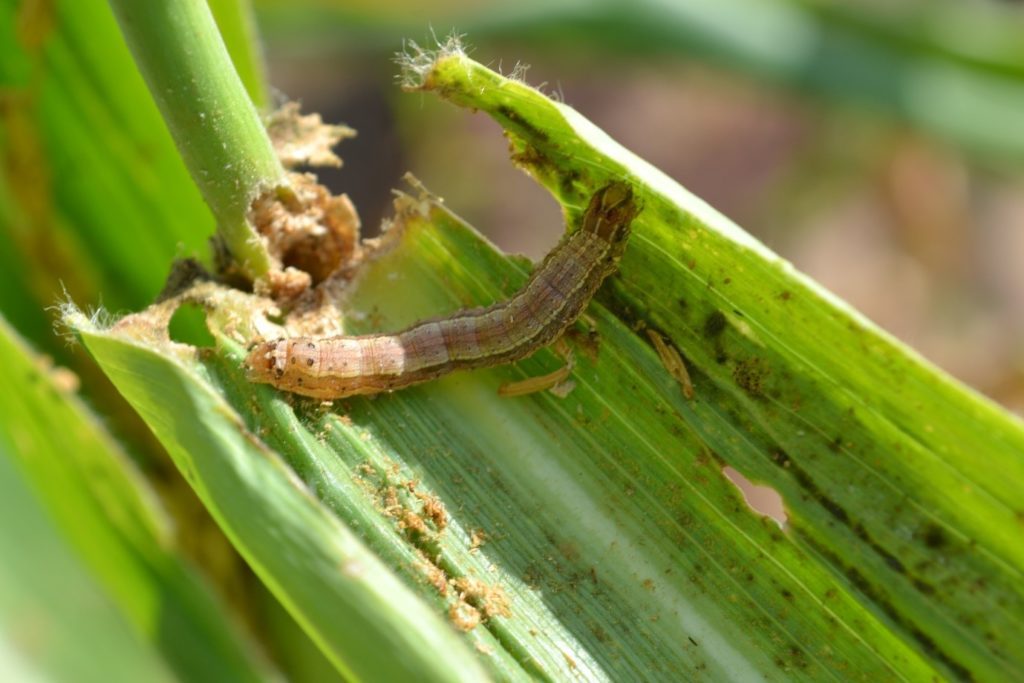
CABI has partnered with leading researchers and institutions to launch a new portal that facilitates global research collaboration to help fight the devastating crop pest fall armyworm (FAW). The CABI-led Fall Armyworm Research Collaboration Portal, is a free-to-access platform that enables the sharing of research data, insights and outputs, and…
Biopesticides effectively halt the devastating fall armyworm in South Sudan
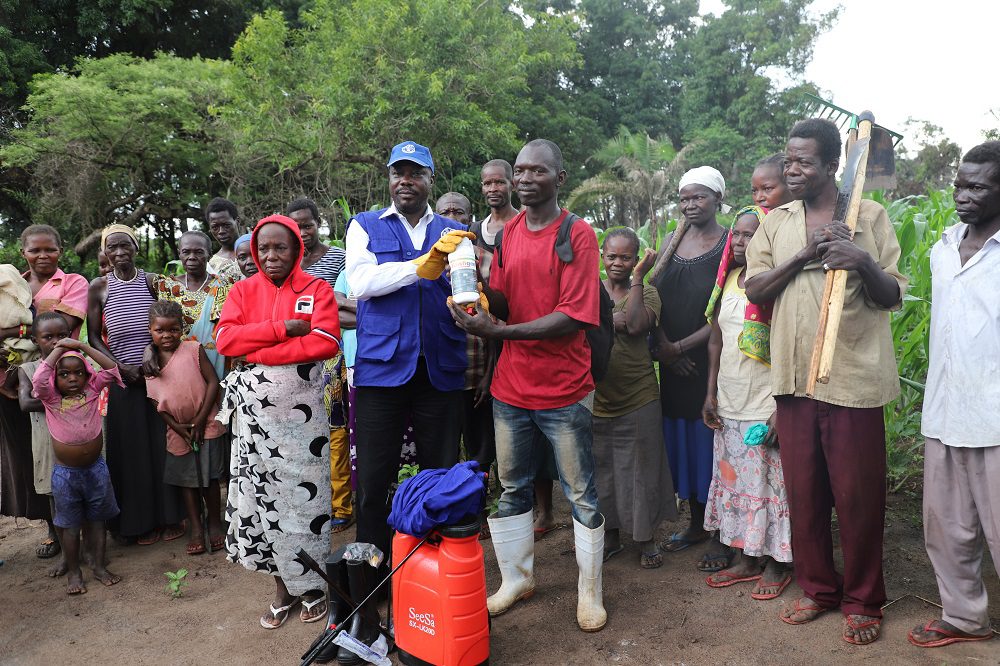
CABI has briefed the Food and Agriculture Organization of the United Nations (FAO) on a successful project to deploy a safe-to-use and environmentally friendly biopesticide in the fight against the fall armyworm (FAW) pest in South Sudan. Dr Ivan Rwomushana, Senior Scientist, Invasive Species Management, based at CABI’s centre in…
New study calls for reallocation of subsidies to encourage lower risk control options to fight fall armyworm menace
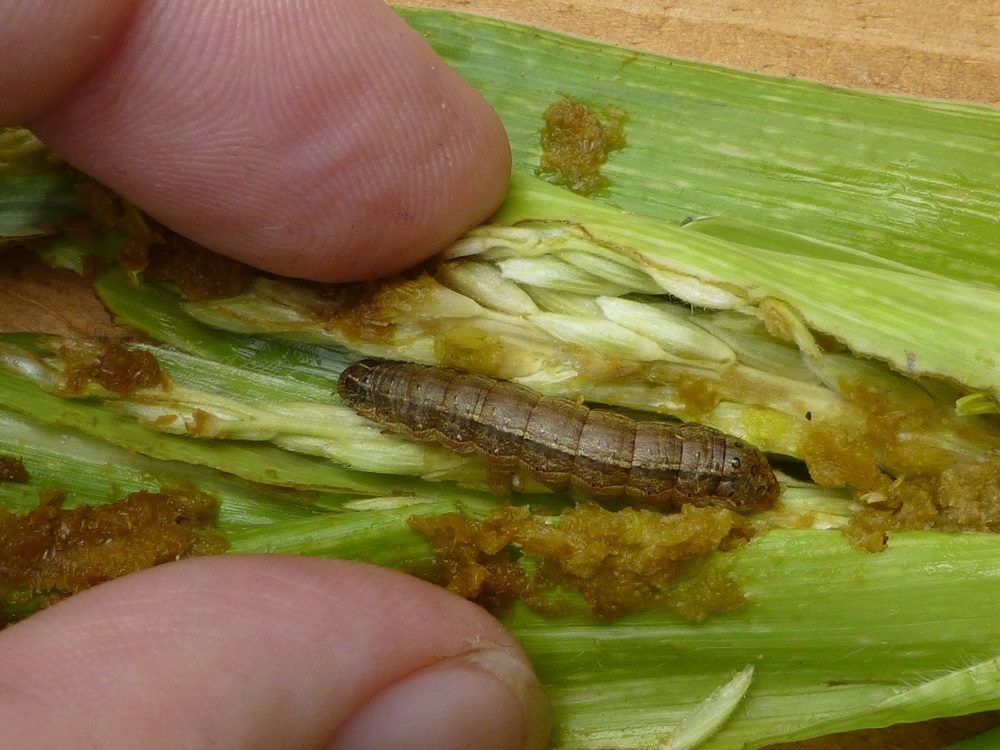
A new CABI-led study is calling for governments to reallocate subsidies to encourage the use of lower risk control options – such as biopesticides – in the fight against the devastating maize pest fall armyworm (FAW). The research, which was spearheaded by Dr Justice Tambo and published in the…
Control of fall armyworm in Eastern Africa
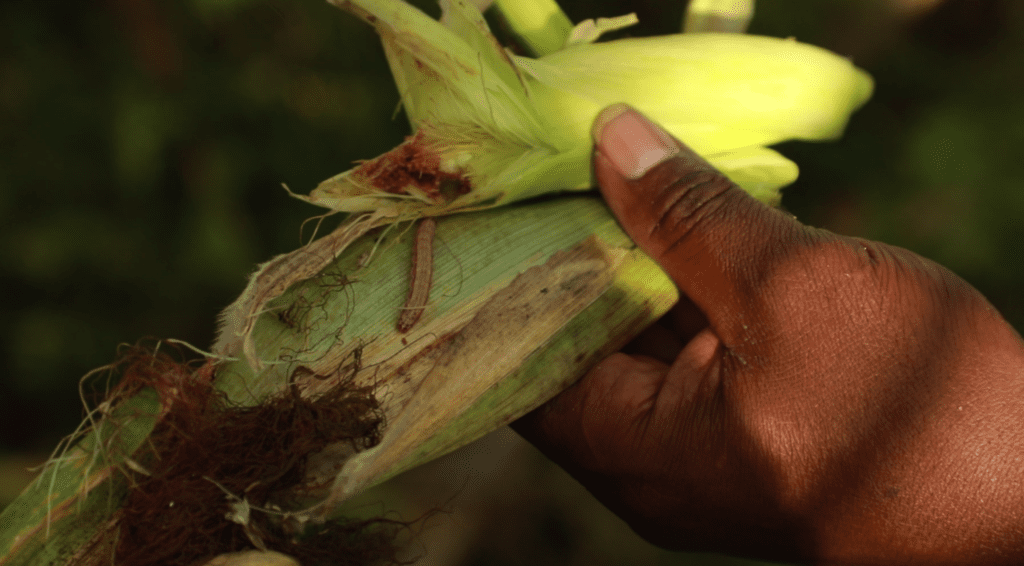
In Africa, the fall armyworm is a pest causing significant destruction and devastation to crops. It is estimated to cause 8-20 million tonnes of maize losses each year and due to little knowledge of the pest and ways of managing it, the impacts can be catastrophic. With partners, CABI developed an emergency response strategy that empowered local communities of six target countries to…
Surveillance of potato diseases in Kenya
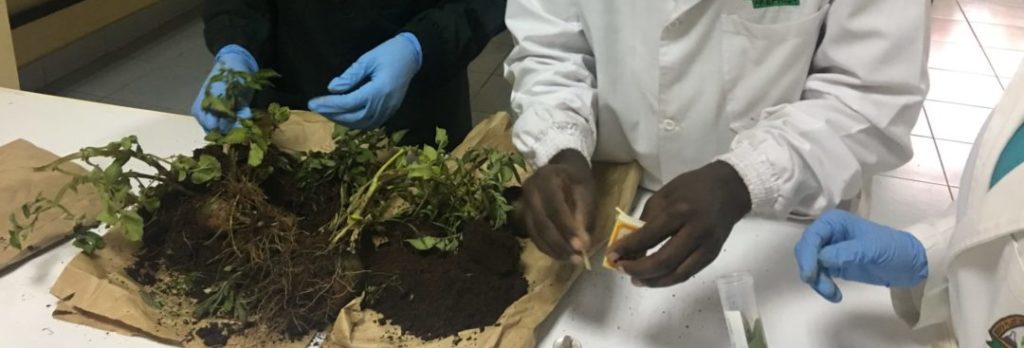
Potato is one of the most widely grown crops in Kenya. The sector contributes almost USD 30m per year and employs 3.3 million people. However, the yield has been reducing significantly over the last decade, 12.4 t/ha below the global average of 21 t/ha. This has been attributed to a…
Piloting biopesticide use to manage fall armyworm in South Sudan
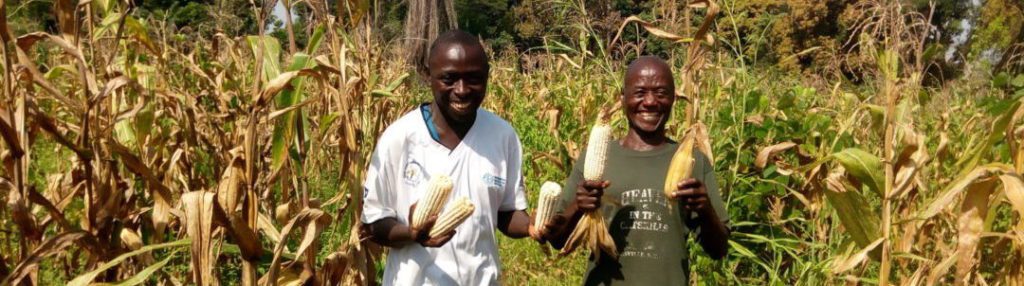
Crop protection in Africa relies heavily on the use of synthetic chemical pesticides. They are perceived to be more effective than other methods but human health concerns and the resistance to them in pest populations is shifting the tide towards lower risk pest management methodologies. Biopesticides are considered a suitable…