
Using beneficial maize-rhizosphere microbials against western corn rootworm
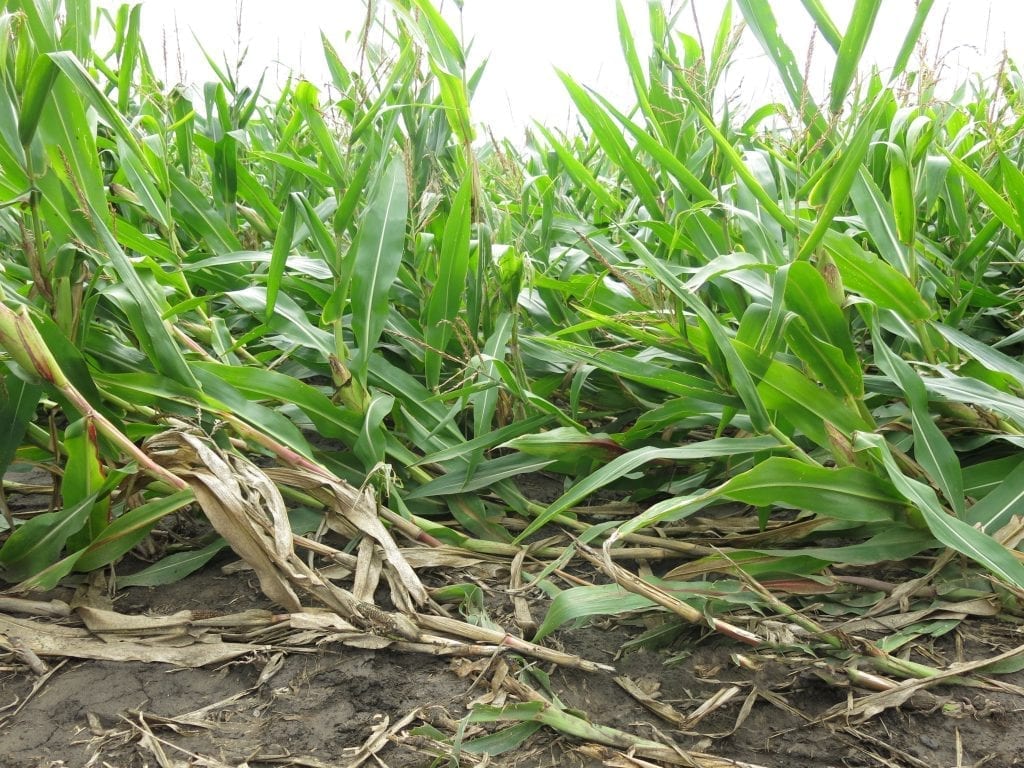
The western corn rootworm is a major invasive maize pest in North America and Europe. The phase-out of certain pesticides means control options are increasingly limited. New technologies are being researched in collaboration with five French partners. Using field surveys and candidate gene searches through database-mining, we are investigating bacterial…
Research, rearing and collection services on corn rootworms
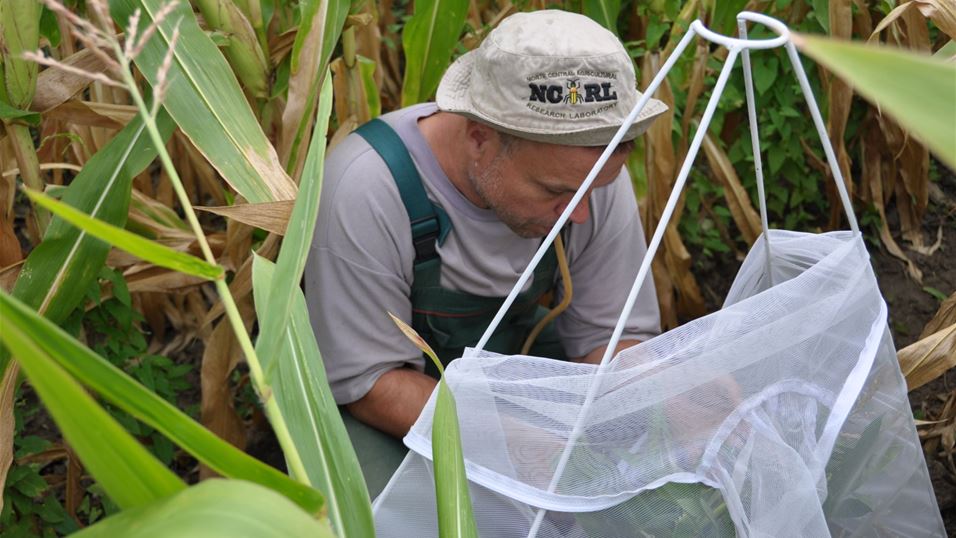
The western corn rootworm is a destructive pest of maize. Most damage is caused by larvae feeding on the roots, which becomes apparent when plants lodge. Drawing on some 15 yearS experience as a research and development partner on corn rootworms, CABI has become a key service provider for field…
Researching introduced forest species in Trinidad
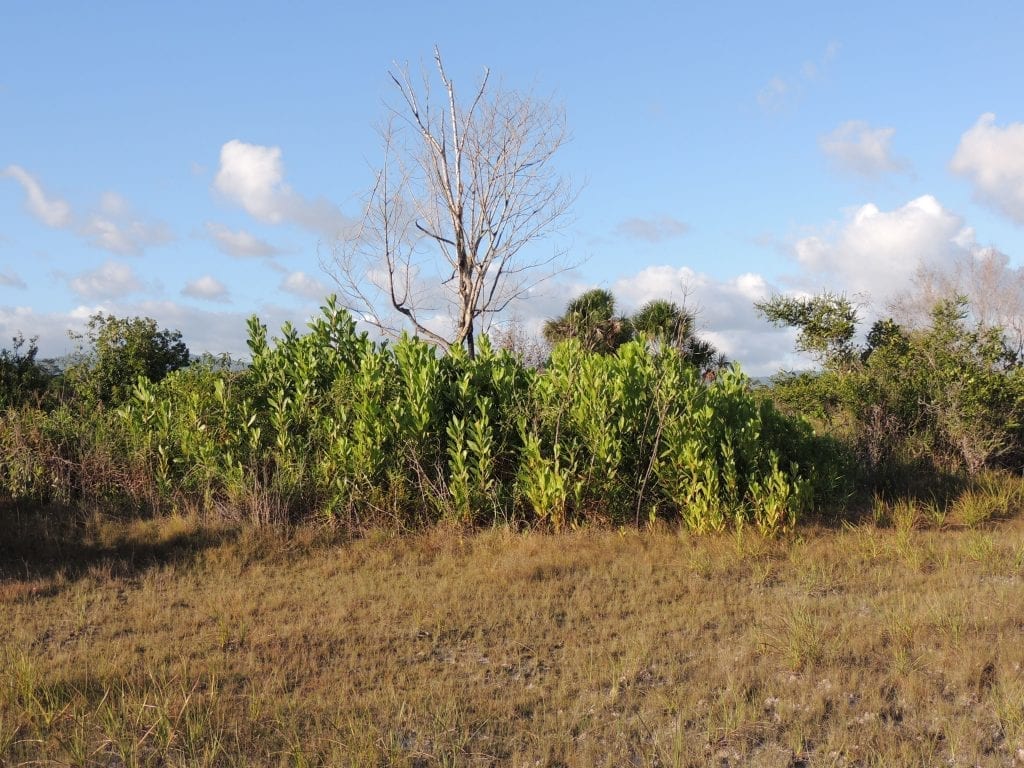
Many introduced species can have an adverse effect on native biodiversity, especially on a delicate island habitat such as Trinidad and Tobago. Three forest species are being particularly troubling, namely, Tectona grandis (teak), Acacia mangium (brown salwood) and Leucaena leucocephala (white leadtree). So, with funding from the FAO, CABI researched…
Producing better cotton in Pakistan
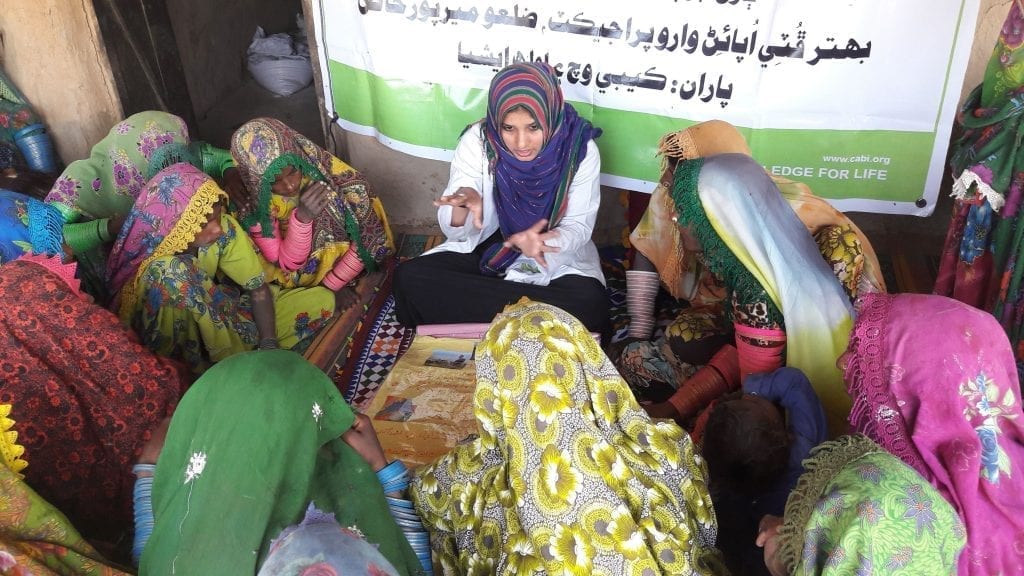
Cotton is Pakistan's largest industrial sector. In total though, the industry is losing around 10-15% through poor traditional practices. Using the Better Cotton Standard System, we are encouraging farmers to implement Better Cotton production principles and criteria, Good Agricultural Practices by providing participatory training to thousands of small, medium and…
Improving the rational use of pesticides for locusts in China
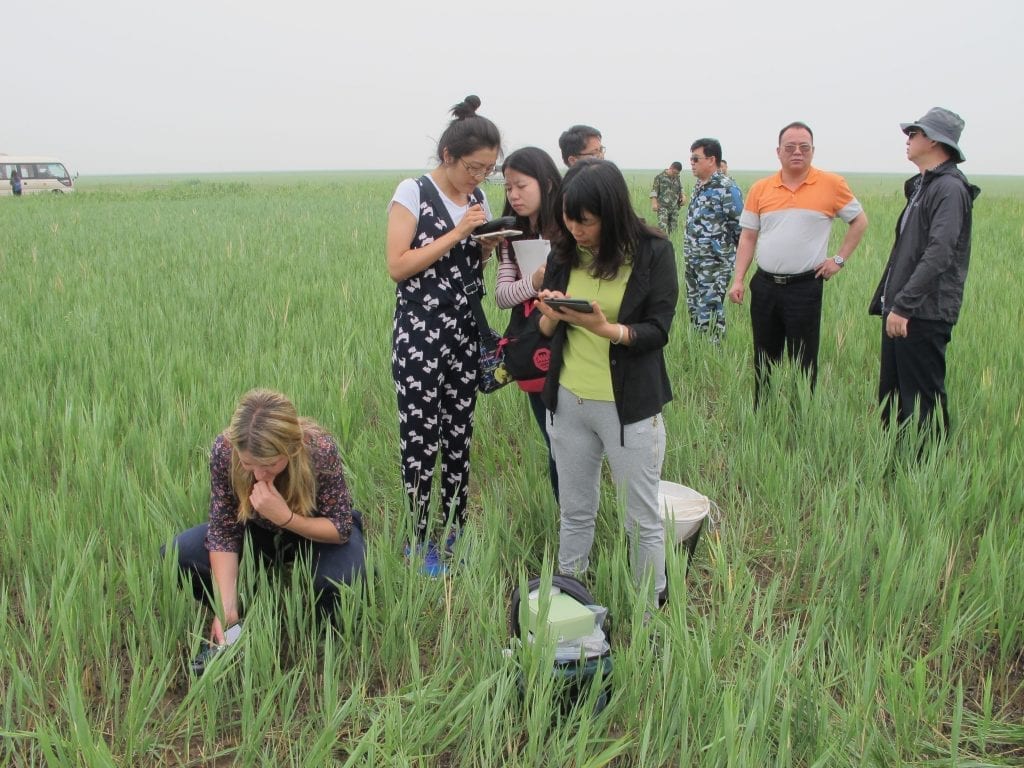
Agriculture is very important to China and chemical pesticides are often used to control their associated pests. Biopesticides, which have a low impact on surrounding plants and the environment can be used instead and China wants to switch over to them. Using CABI's expertise, this project uses Earth Observation (EO)…
LEGATO: rice ecosystem services
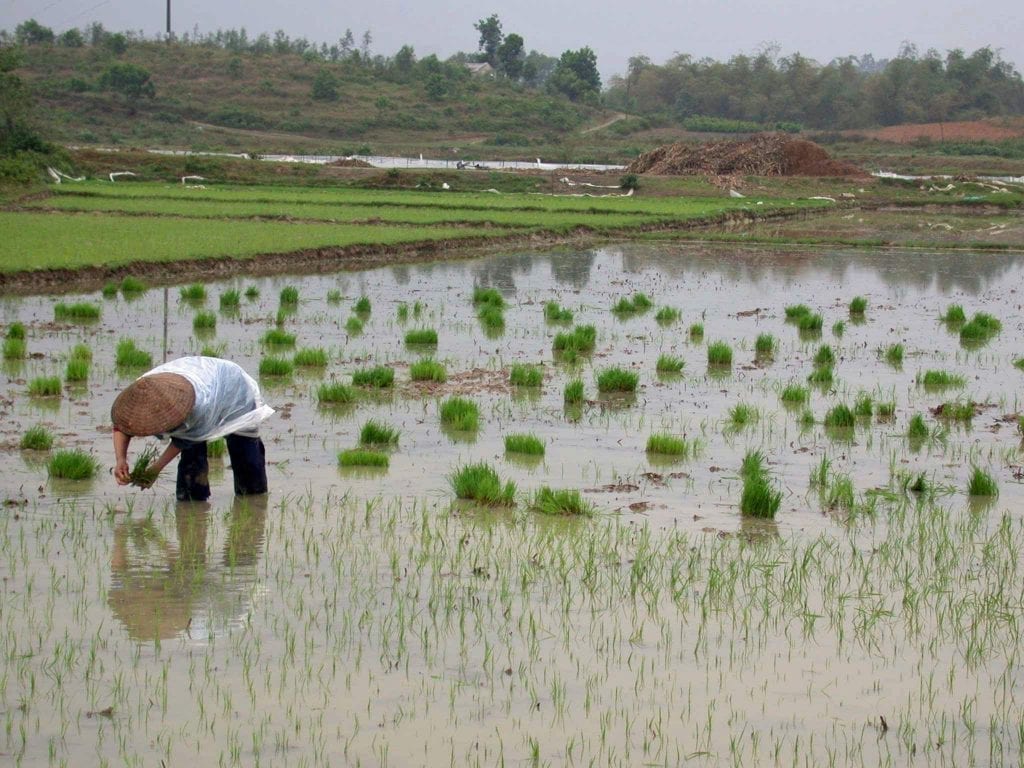
As a staple food crop in South East Asia, rice is a key driver of the countries' economies and essential to the diets and livelihoods of the billions of people who live here. We are involved in a five-year project that aims to measure the interdependence of ecosystem functions and…