
Improving soybean production in Kenya using digital and extension approaches
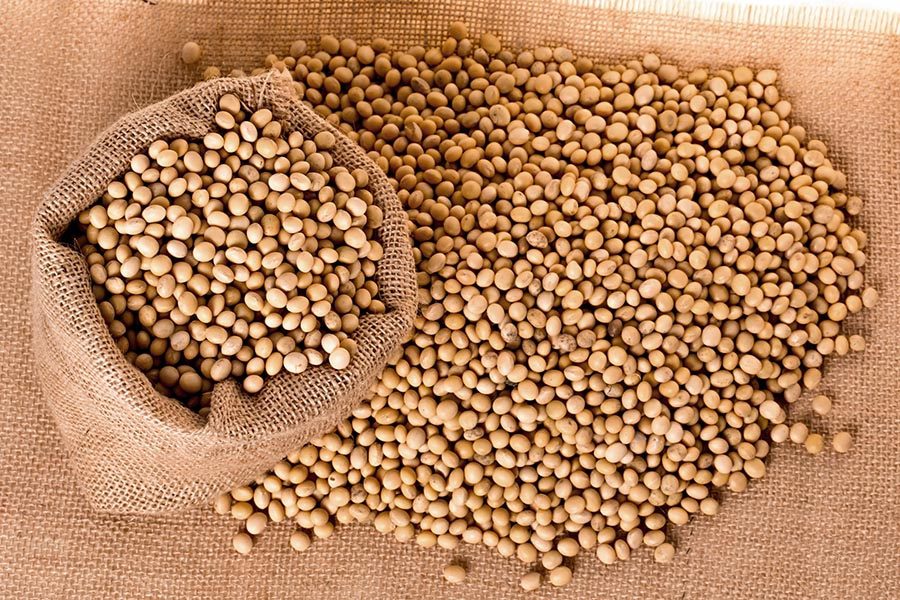
In Kenya, soybean is a key crop in helping to improve livelihoods and nutrition. However, production only meets 10% of the market needs due to the effects of poor agricultural practices and pests and diseases. To address these issues, this project will provide a frontier system that integrates Earth Observation…
Evaluating the mycoherbicide potential of a leaf-spot pathogen against Japanese knotweed
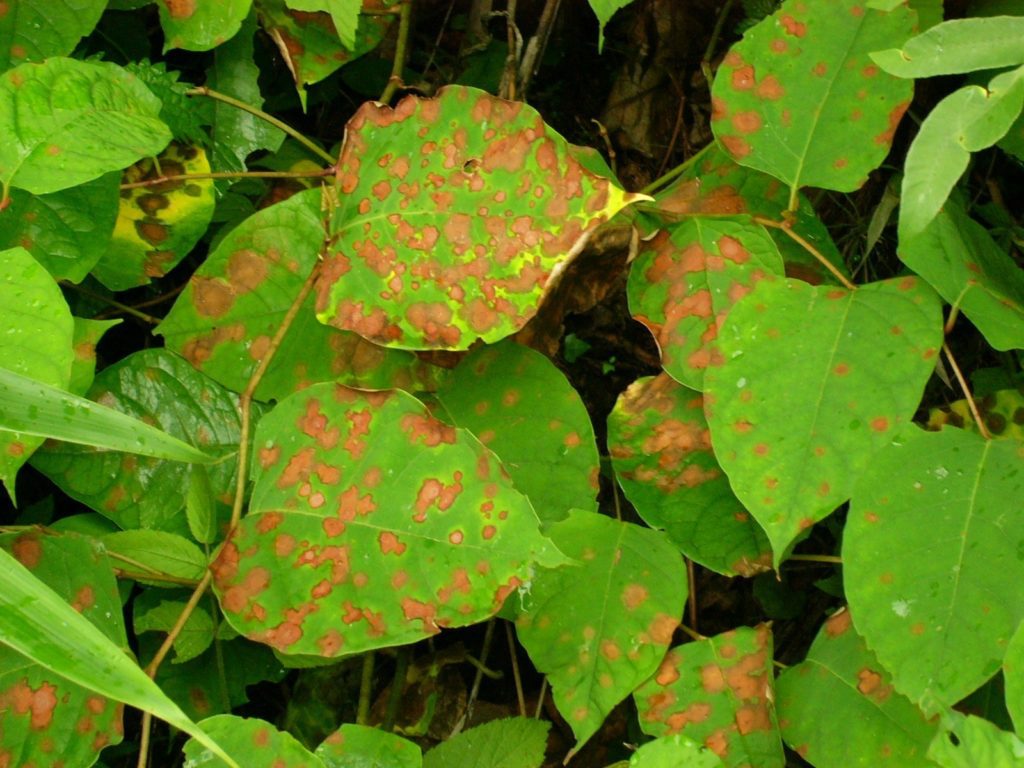
Japanese knotweed is a highly invasive weed that impacts severely on native biodiversity and local infrastructure in its introduced range. Whilst chemicals are currently used to control the weed, this approach is costly and unsustainable. Biological control is an alternative method. The damaging leaf-spot fungus, Mycosphaerella polygoni-cuspidati, which attacks the…
BioSpace: Using space-enabled remote sensing for long term sustainable growth of biopesticide use
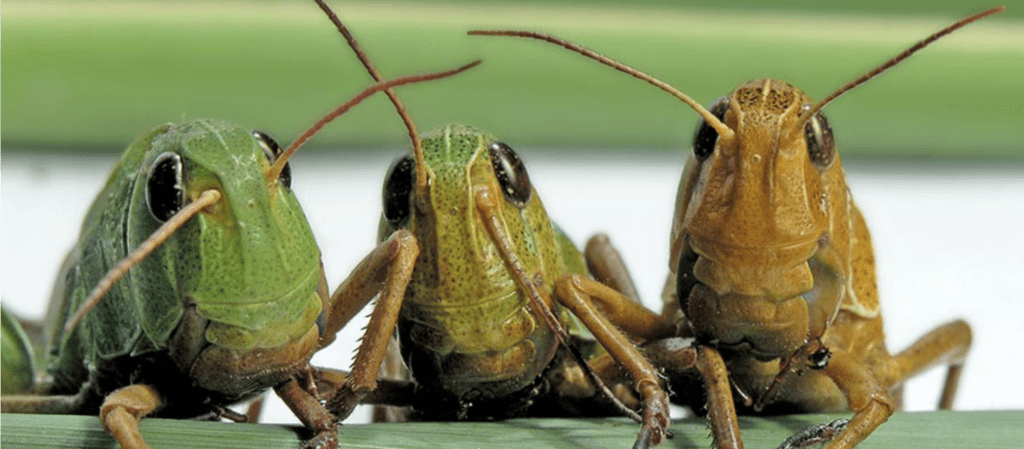
Pests and diseases cause significant losses of crops around the world and are a significant threat to food security. In China and Laos, locusts affect over two million hectares of agricultural land and recently, the fall armyworm is becoming prevalent in China and Southeast Asia, already affecting 35,000 hectares of…
CABI is helping Colombia’s coffee farmers tackle a devastating pest with remote sensing technology
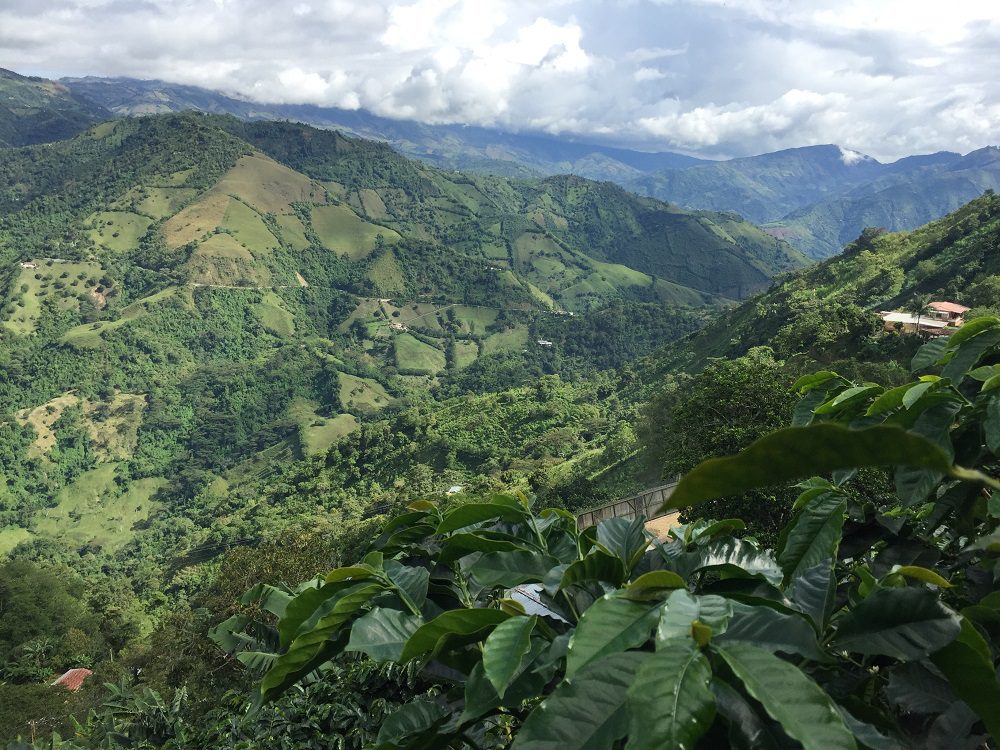
CABI scientists are working in partnership to help Colombia’s coffee farmers fight the devastating coffee berry borer (CBB) (Hypothenemus hampei) pest with an early warning system that harnesses climatic data and state-of-the-art remote sensing technology. Dr Steven Edgington is leading the team at CABI, in collaboration with Cafexport, Colombia, Climate…
Saving Tristan’s only native tree and its associated unique buntings
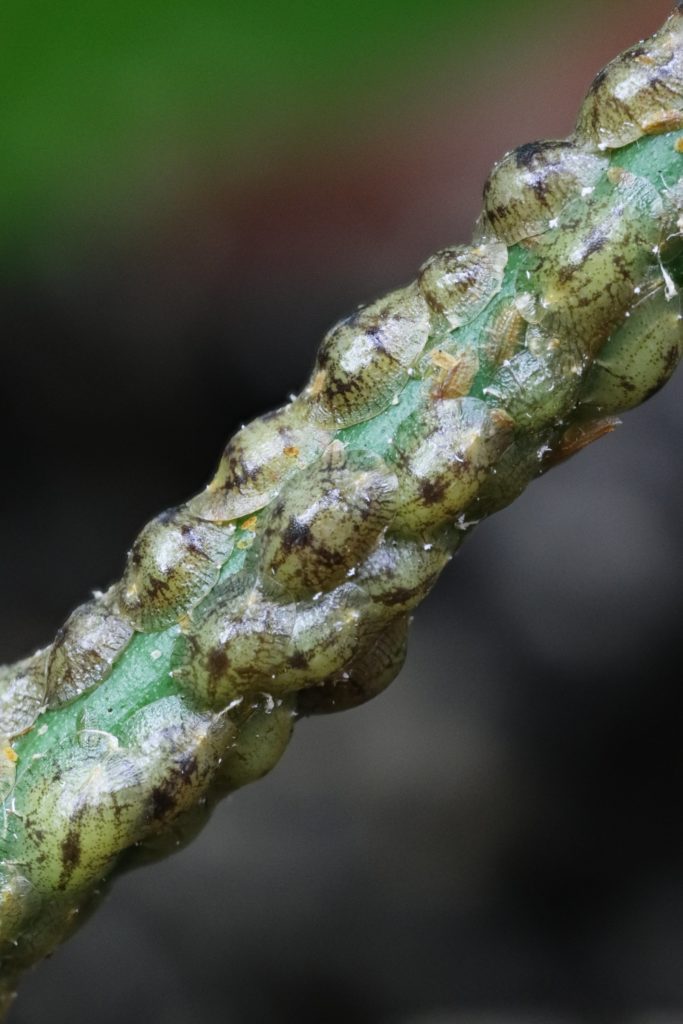
Invasive non-native species are a major threat on oceanic islands due to their vulnerability and endemism, typical of island ecosystems. On Tristan da Cunha, a remote group of islands in the South Atlantic, Brown soft scale, (Coccus hesperidum), an invasive alien scale insect, has infested Tristan’s only native tree, Phylica…
Digital innovation to protect Colombian coffee farms and farmers
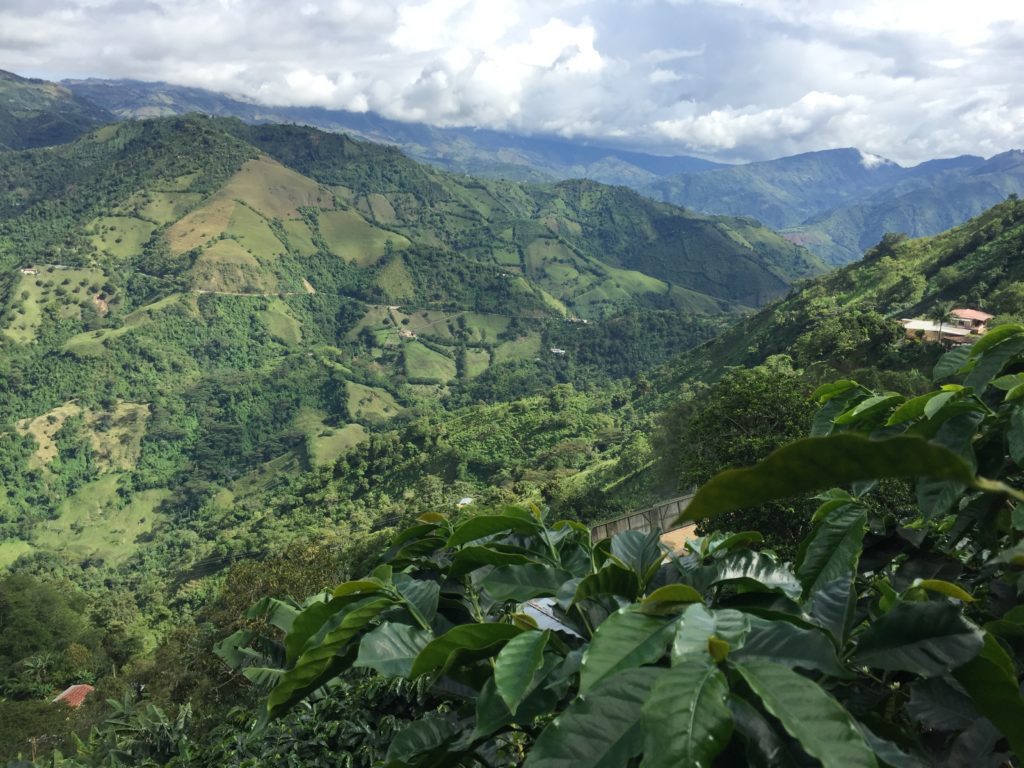
The coffee berry borer (CBB) is the most serious coffee pest worldwide, causing crop damage in excess of $US500 million, annually. In Colombia, 75% of coffee crops are affected by this pest. It directly damages coffee beans, destroying their taste and making them unsaleable. To exacerbate the problem, climate change…