
Biological control of blueweed
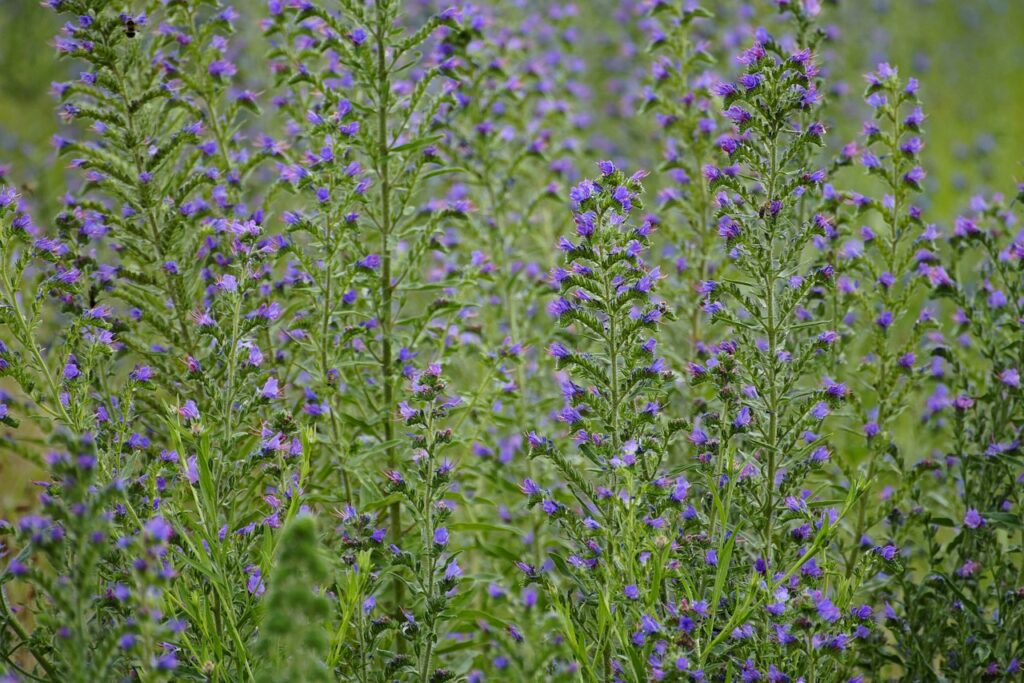
Blueweed, Echium vulgare, is a biennial plant native to Europe and Asia that has become a problematic weed in pasture and rangelands of North America where it is classed as noxious. Biological control can be used to help manage the weed. CABI has been tasked with identifying and studying specialist…
CABI showcases Horizon Scanning Tool and Invasive Species Compendium at COP16
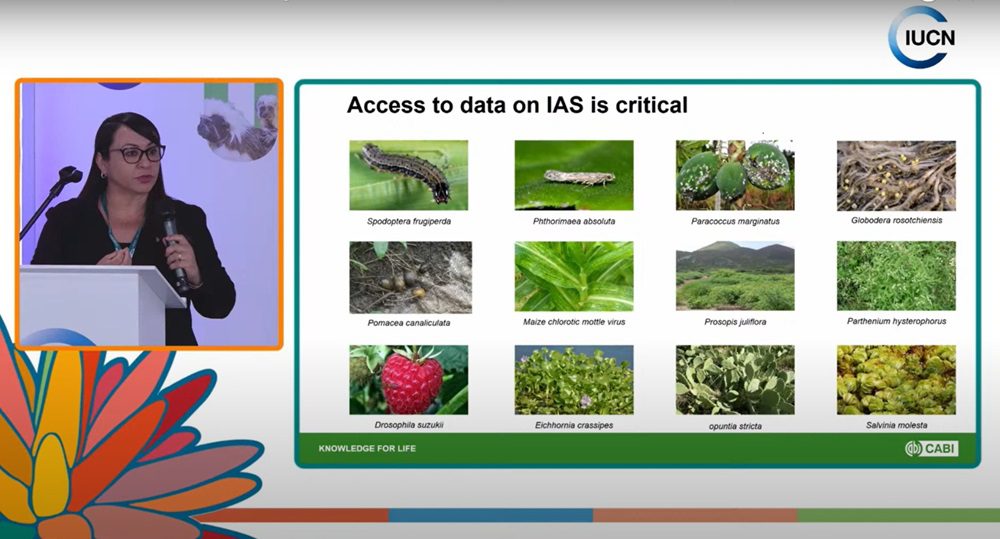
CABI has taken part in the sixteenth meeting of the Conference of the Parties to the Convention on Biological Diversity (COP16) which seeks to take decisive measures for the protection of biological diversity. Dr Yelitza Colmenarez, CABI’s Centre Director, Latin America-Brazil, showcased CABI’s Horizon Scanning Tool – a decision support…
CABI attends pre-COP 29 workshop to help better understand agriculture’s climate reporting mechanisms
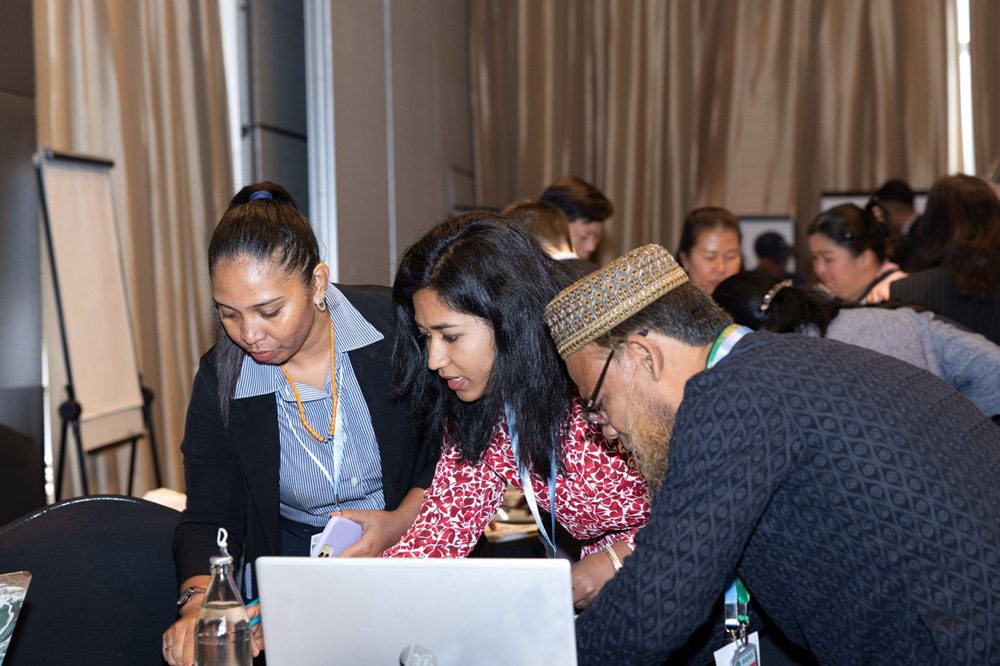
CABI has shared its expertise at a pre-COP29 workshop aimed at helping countries enhance their Nationally Determined Contributions (NDC) implementation processes through joint actions and collaboration with countries in Asia and Pacific region. Srijita Dasgupta, CABI’s Climate Change Expert, Asia, attended the workshop in Bangkok which also sought to better…
One Health Hub
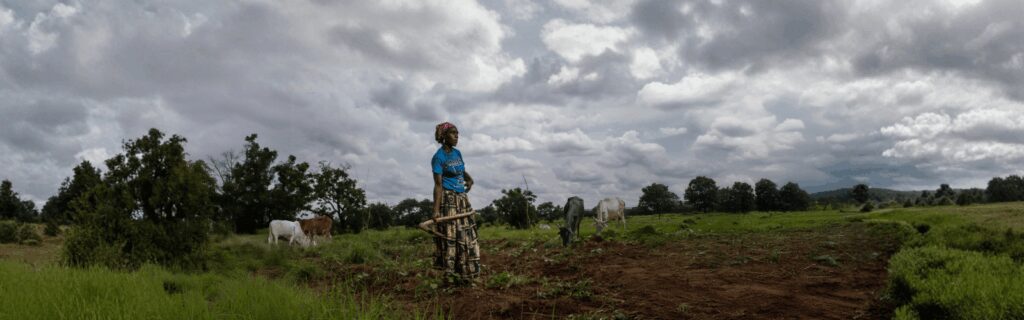
The One Health Hub is a knowledge, evidence, and learning platform that promotes a cross-sectoral One Health agenda encompassing human, animal, plant, and ecosystem health. It identifies gaps in knowledge, analyses evidence, and helps to shape policies for a more interconnected approach to health. The platform works with global and…
Climate change-induced pests remain major ‘bottleneck’ to agricultural productivity and food security in South Sudan
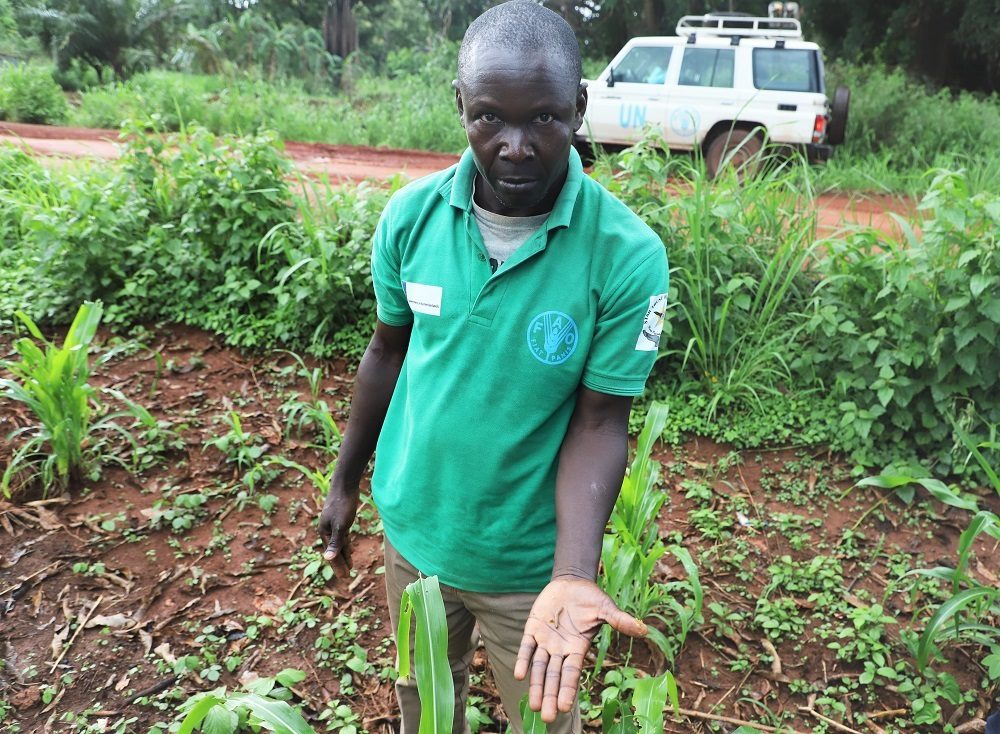
Climate change-induced invasive crop pests remain a major ‘bottleneck’ to agricultural productivity and food security in South Sudan, according to new CABI-led research published in the journal CABI Agriculture and Bioscience. CABI scientists and colleagues from the University of Juba, Q&A Management Consulting, and Afridev Economic Consulting Limited, say strengthening…
Registration of biopesticides in Pakistan
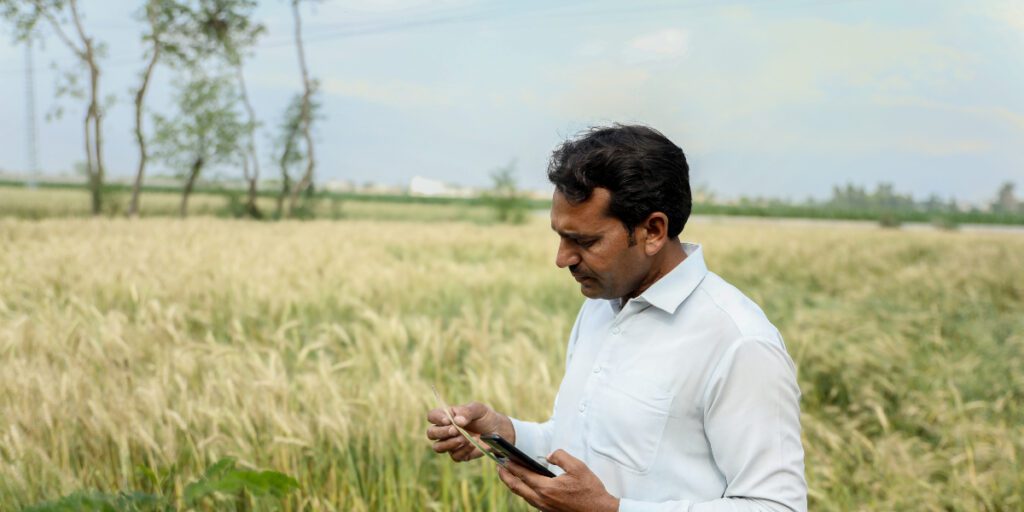
Agriculture is extremely important to Pakistan’s economy and people. It is the largest sector, employing over 40% of the workforce and contributing approximately 24% to the country’s gross domestic product (GDP). However, the increase in demand for food is being challenged by low agricultural productivity due to losses caused by…