
Partnership explores the ecological intensification of smallholder farms in Kenya
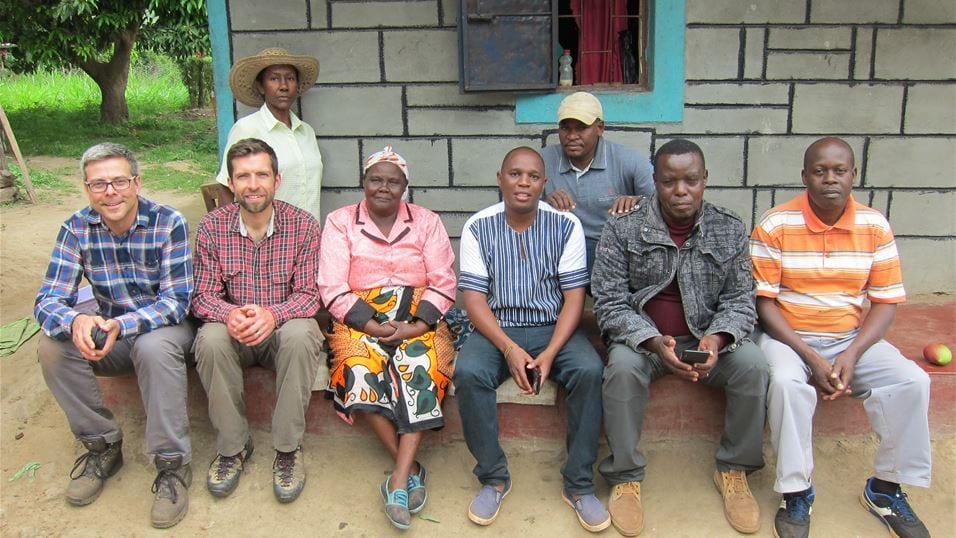
CABI is working in partnership to explore the prospect of smallholder farmers in Kenya achieving greater yields through ecological intensification (EI), thereby helping to meet the UN Sustainable Development Goals ‘Zero Poverty’ and ‘Zero Hunger’.
Fields on fire: new research reveals alternatives to harmful crop residue burning in India
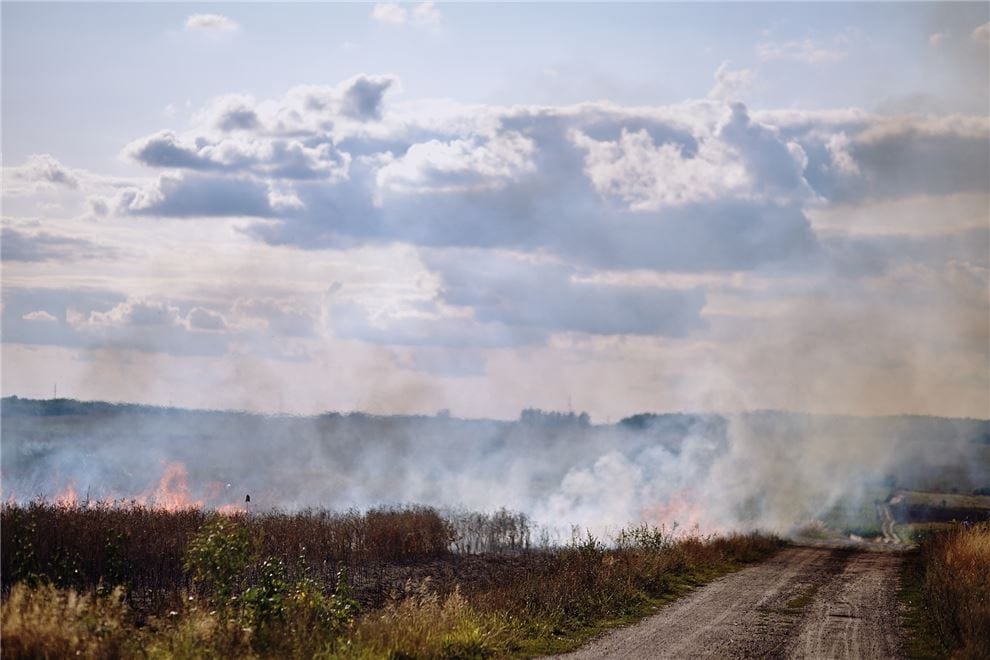
Adoption of alternative farming practices can increase farmer profits and avoid burning crop residue, according to a new paper co-authored by CABI scientist, Mr. Arun Jadhav.
CABI offers global guidance to help protect the world’s trees and forests from harmful pests and diseases
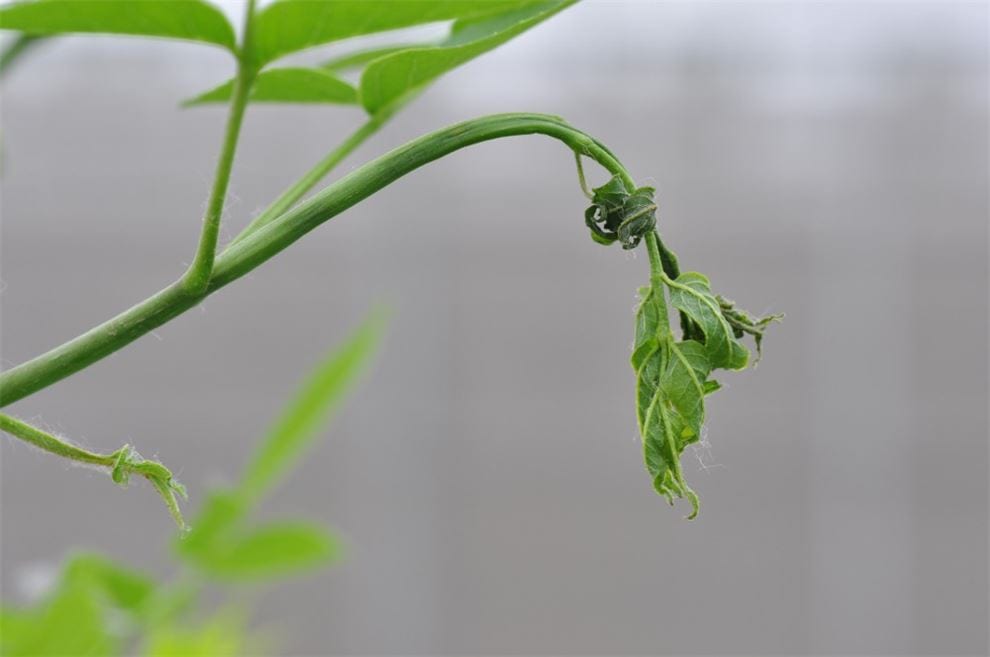
CABI’s expert scientists in the field of ecosystems management and invasion ecology have presented new guidance on ways to help protect the world’s trees and forests from harmful pests and diseases such as the box tree moth and ash dieback.
Plantwise
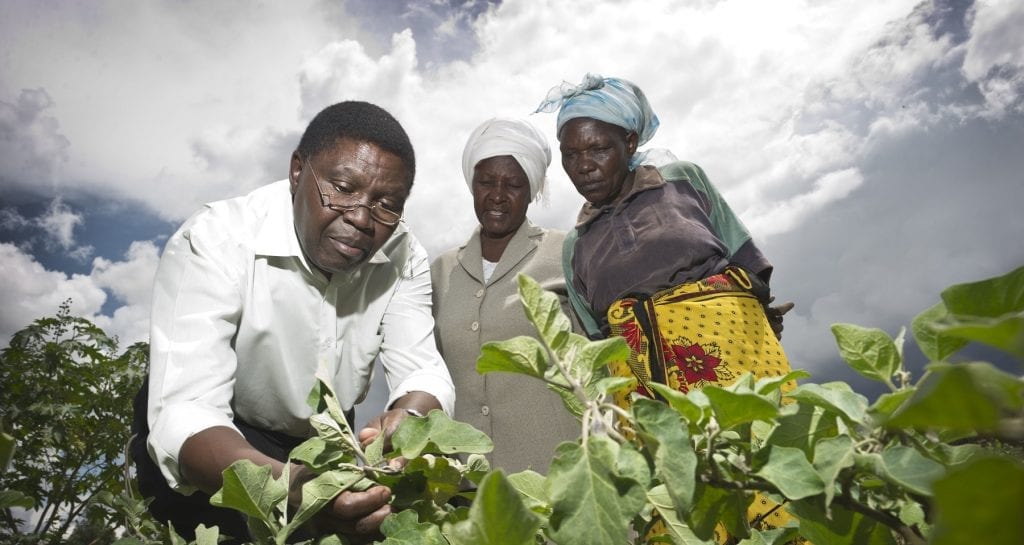
Worldwide, over 500 million smallholder farmers provide food for two-thirds of the earth’s growing population. Achieving a zero hunger world by 2030 depends on increasing the productivity of these smallholder farmers – but their crops face a significant threat. Yearly, an estimated 40% of crops grown worldwide are lost to…
Traded forest tree seeds pose a great risk of introducing harmful pests, new research shows

CABI has led an international team of scientists who strongly suggest that the global trade of forest tree seeds is not as safe as previously believed, with insect pests and fungal pathogens posing a great risk to trees and forest ecosystems worldwide.
Scientists release new allies in the battle against invasive yellow toadflax in the Rocky Mountains
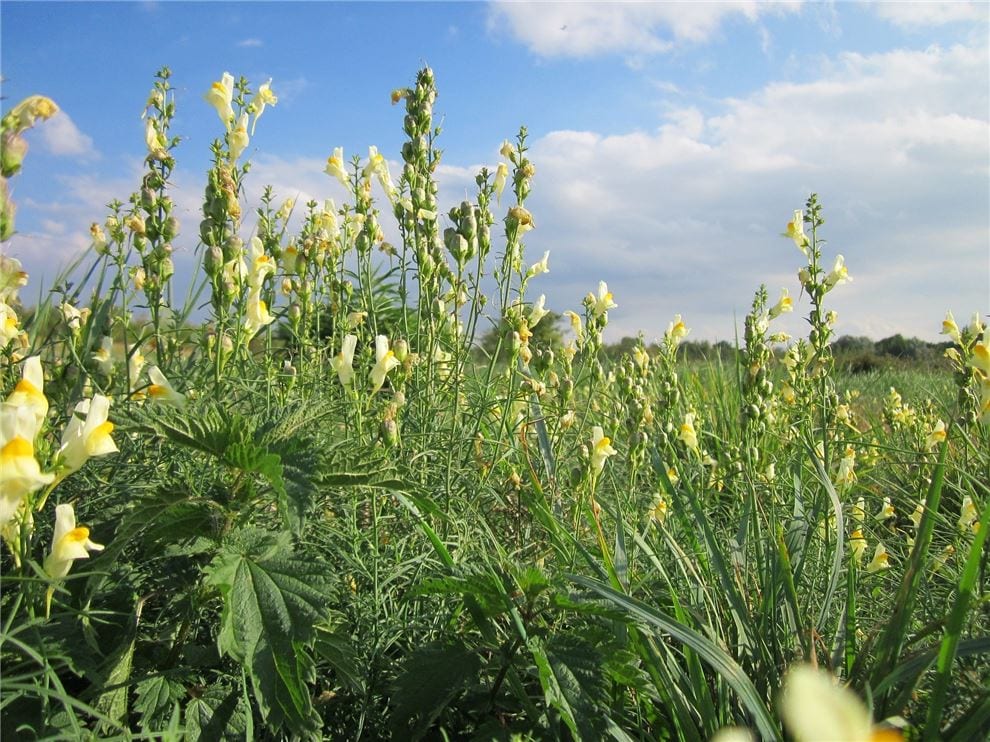
A team of international scientists are collaborating to fight the noxious weed yellow toadflax (Linaria vulgaris) in Montana’s world-famous Rocky Mountains with the help of a tiny insect – the shoot-galling weevil Rhinusa pilosa.