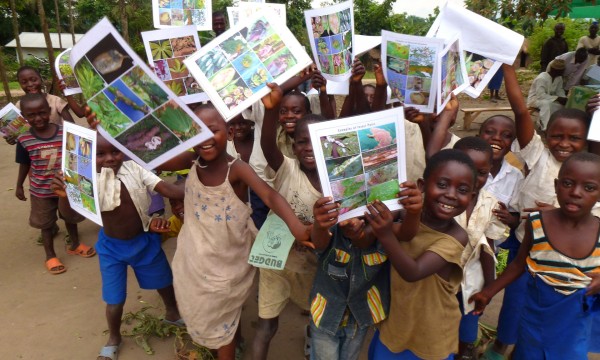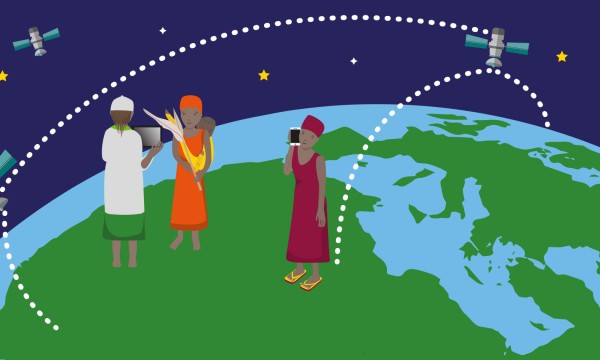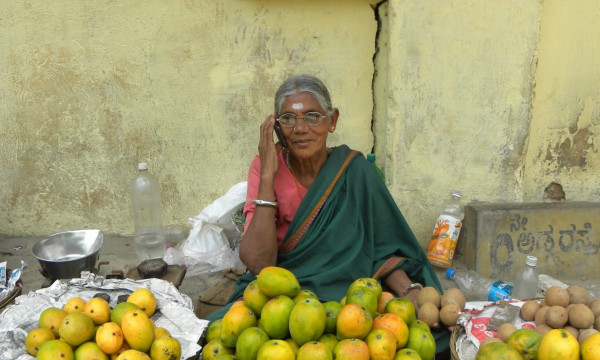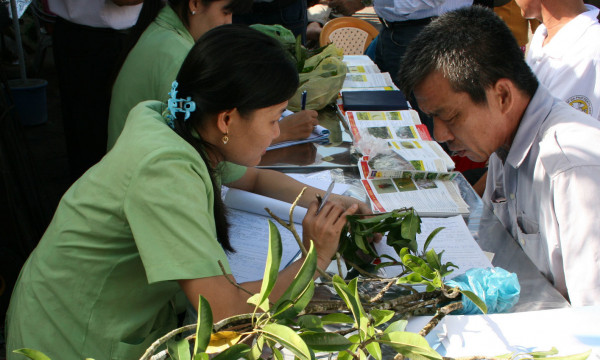
Through our work with donors and partners, we are helping to manage the spread of invasive species, a problem that costs the world almost 5% of global gross domestic product or an estimated US$1.4 trillion per year
The challenge
Millions of the world’s most vulnerable people face problems with invasive weeds, insects, plant diseases and animals, which fundamentally threaten the economic growth supported by sustainable development.
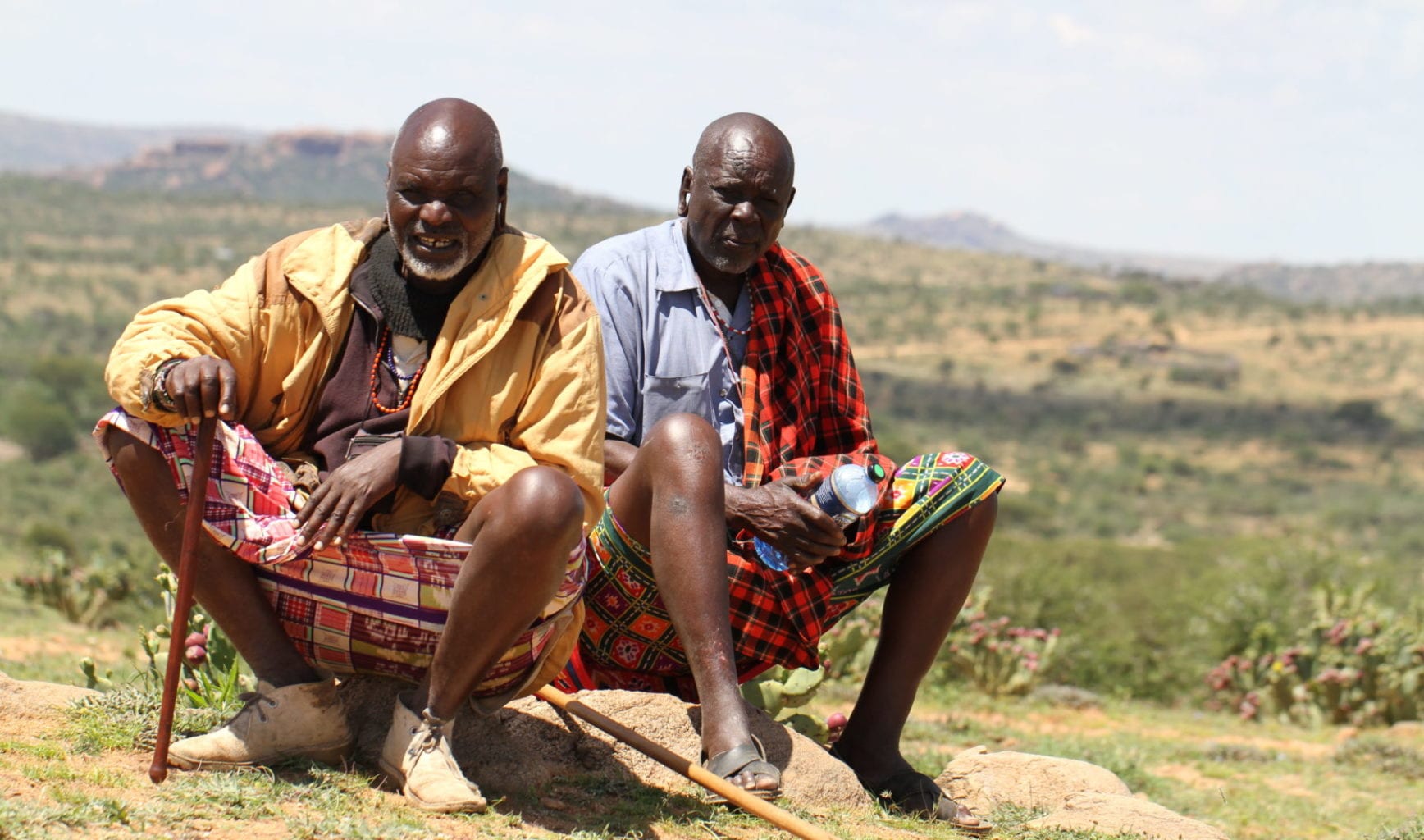
Invasive species disproportionately affect vulnerable communities in poor rural areas, especially in developing countries, which depend on natural resources, healthy ecosystems, trade and tourism for their livelihoods.
Providing solutions
Recognising the urgent need for action to protect development and economic growth, we are tackling invasive species around the world. Through a range of projects and knowledge tools, we help protect livelihoods and biodiversity.
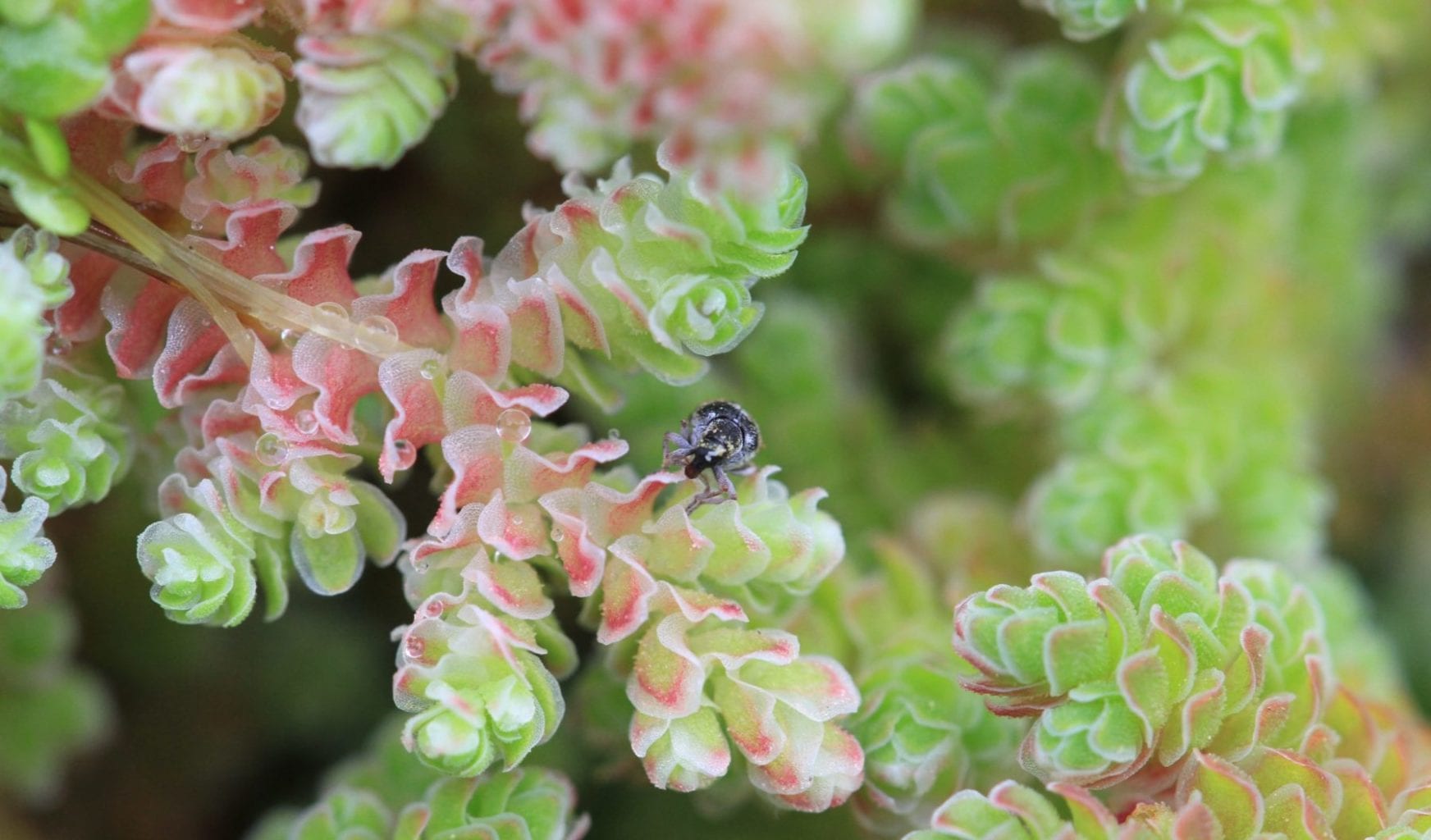
We have worked on invasive species for over 100 years, developing practical ways of tackling the biggest threats. Our scientists are world leaders in biocontrol research – an approach that uses invasive species’ natural enemies, like insects, to control their spread.
We produce a range of dedicated knowledge tools on invasive species. These include information on how to prevent the spread of invasive species, how to detect outbreaks and best practice solutions for controlling invasives.
Our invasive species expertise in more detail
Through our global work on invasive species, we are developing and implementing solutions for invasive species around the world, helping to protect 50 million poor rural households.
As experts in biocontrol (the use of living organisms, such as insects or pathogens, to control pest populations), we help farmers control crop pests in order that they can grow more and lose less.
The CABI Compendium: Invasive Species Channel is designed to support the work of everyone faced with the identification, prevention and management of invasive species around the world.
Key contact
CABI has expertise in the prevention, early detection and eradication, and management of invasive species, in centres around the globe including our Swiss centre.

Hariet L Hinz
Global Director, Invasive Species
T: +41 (0)32 421 48 72 E: h.hinz@cabi.org
Stories of Impact
Read about the variety of work CABI delivers, and the difference we make
Related Projects
Explore our database of recent projects from around the world
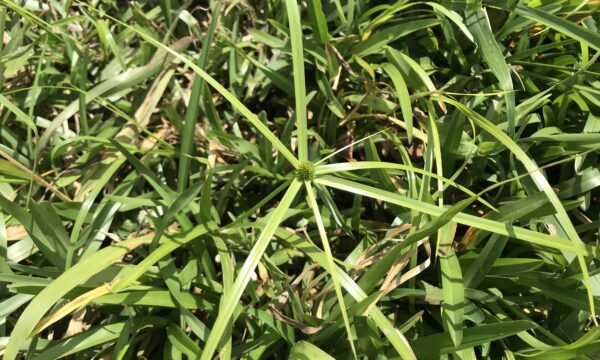
Evaluation of fungal pathogens for biological control of Navua sedge
CABI is evaluating two fungal pathogens as potential biological control agents for Navua sedge, an invasive weed that threatens agriculture and biodiversity in northern Queensland, Australia. The project investigates the biology and host specificity of these fungi to assess their safety and effectiveness for long-term weed management.
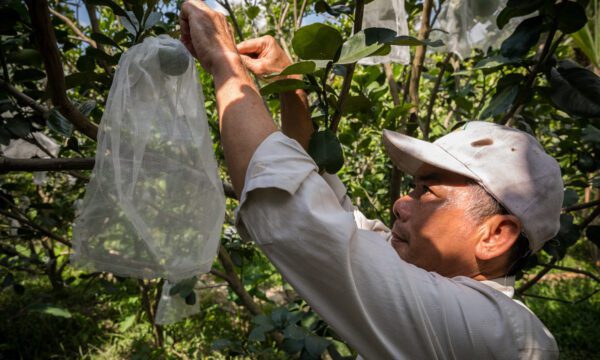
Harmonizing quarantine pest lists for a ASEAN Pest Database
The Association of Southeast Asian Nations (ASEAN) member states face challenges in managing quarantine pest-related information due to fragmented data systems, inconsistent assessment methods, and limited coordination among National Plant Protection Organizations (NPPOs). These gaps hinder timely responses to emerging pest threats and complicate regional efforts in evidence-based pest management. The Task Force on ASEAN Pest Database (TF-APD), has been established to create a regional platform for quarantine pest information, with CABI serving as the Technical Secretariat.
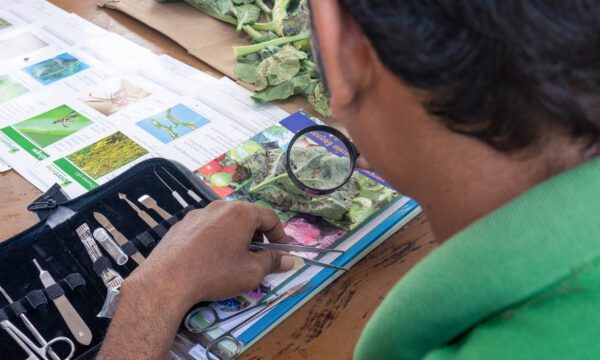
Strengthening taxonomy and plant health diagnostics across ASEAN
Southeast Asia is one of the world’s most biodiverse regions, yet this biodiversity is increasingly threatened by invasive pests, diseases and environmental pressures. Limited capacity in classification (taxonomy) and diagnostics of pests and diseases have further consequences on biodiversity conservation, compliance with international agreements and access to regional and global trade. For member states of the Association of Southeast Asian Nations (ASEAN), the ASEAN Network on Taxonomy (ASEANET) has been created to support ASEAN countries. The network aims to close gaps in taxonomy, diagnostics and phytosanitary systems. These efforts will help to strengthen plant health systems, improve pest identification and support safe agricultural trade across ASEAN. Through ASEANET, CABI’s role as Technical Secretariat will support ASEAN member states by coordinating the network, facilitating collaboration and supporting training and knowledge sharing.
Featured Publications
Papers and other publications that we hope you find enlightening
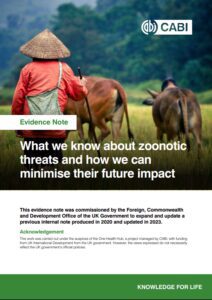
What we know about zoonotic threats and how we can minimise their future impact
DOI https://dx.doi.org/10.1079/CABICOMM-62-8199
Type Evidence note
Published in What we know about zoonotic threats and how we can minimise their future impact
Language English
Year 2026
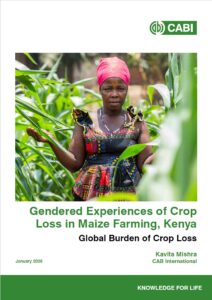
Gendered Experiences of Crop Loss in Maize Farming, Kenya
DOI https://dx.doi.org/10.1079/CABICOMM-62-8201
Type Project report
Language English
Year 2026