
CABI launches Global Partnership for Pesticide Risk Reduction
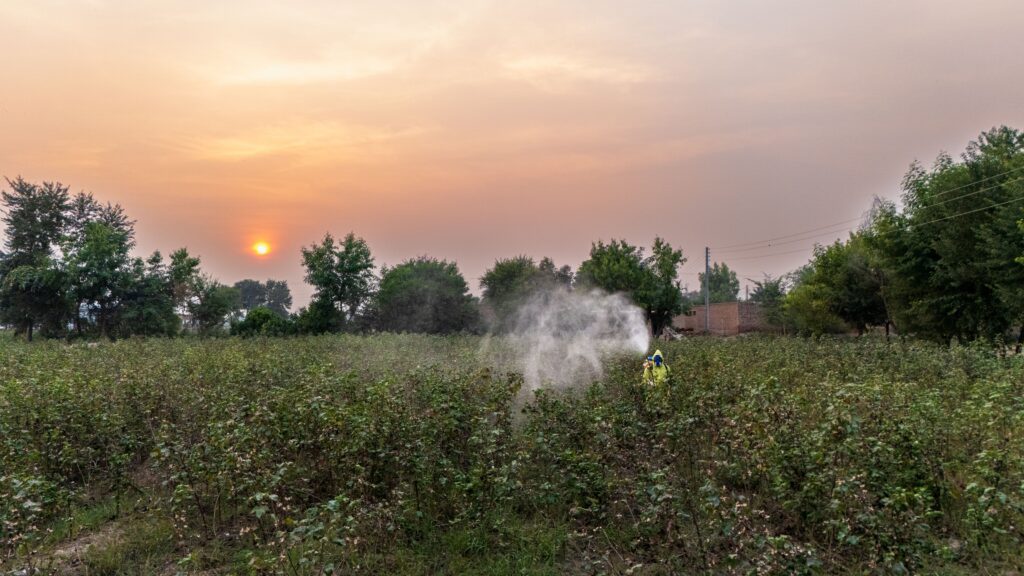
CABI and its partners will launch the “Global Partnership for Pesticide Risk Reduction” on 19th May 2026, bringing together leading stakeholders from the public and private sector to advance a shared commitment to address pesticide risks worldwide.
Harmonizing quarantine pest lists for a ASEAN Pest Database
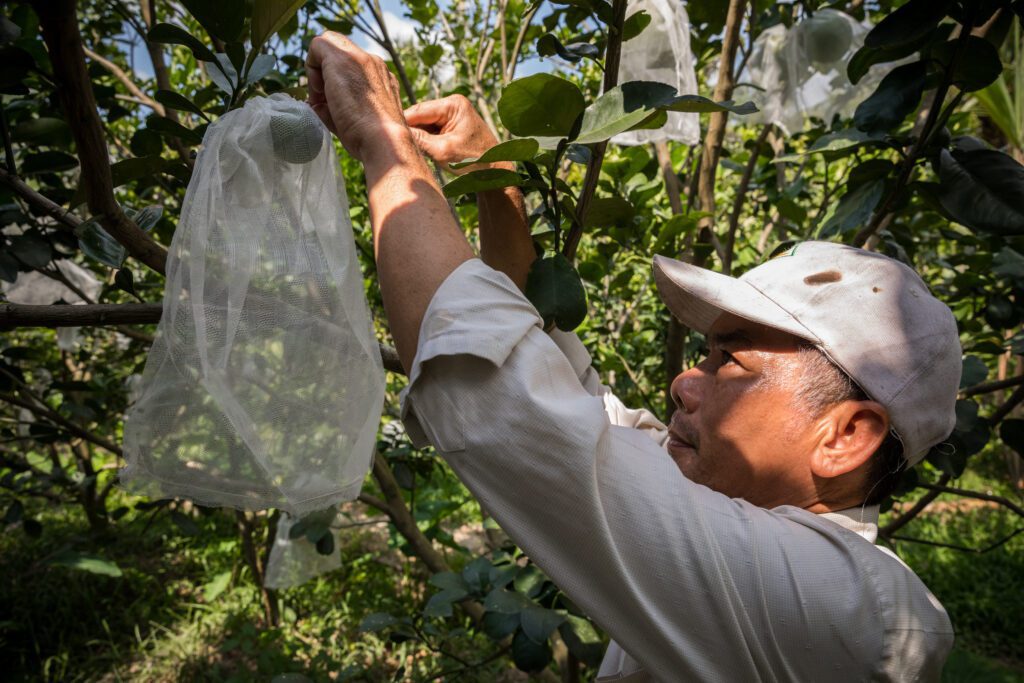
The Association of Southeast Asian Nations (ASEAN) member states face challenges in managing quarantine pest-related information due to fragmented data systems, inconsistent assessment methods, and limited coordination among National Plant Protection Organizations (NPPOs). These gaps hinder timely responses to emerging pest threats and complicate regional efforts in evidence-based pest management.…
Strengthening taxonomy and plant health diagnostics across ASEAN
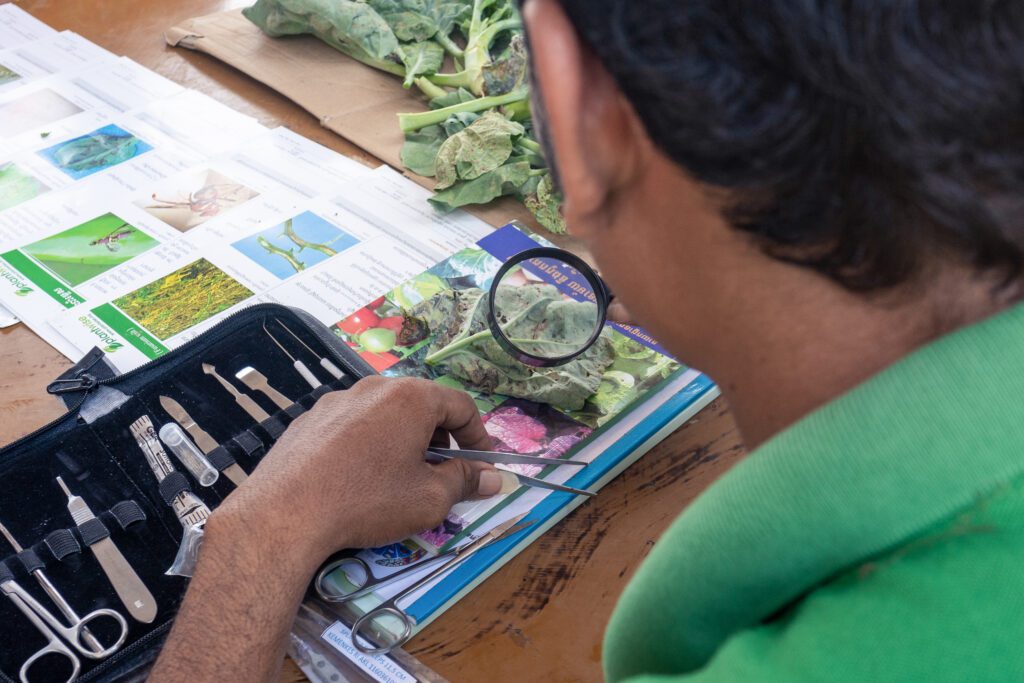
Southeast Asia is one of the world’s most biodiverse regions, yet this biodiversity is increasingly threatened by invasive pests, diseases and environmental pressures. Limited capacity in classification (taxonomy) and diagnostics of pests and diseases have further consequences on biodiversity conservation, compliance with international agreements and access to regional and global…
New journal launch: CABI Multifunctional Landscapes

CABI is delighted to announce the launch of CABI Multifunctional Landscapes. This is a new international, open access, peer-reviewed journal dedicated to advancing integrated landscape research through inclusive, transdisciplinary, and practice-oriented research. CABI Multifunctional Landscapes is developed in close partnership with 1000 Landscapes for 1 Billion People (1000 Landscapes), a…
Invasive prickly pear pest Opuntia stricta could cost sub-Saharan Africa USD 307 billion over the next 50 years
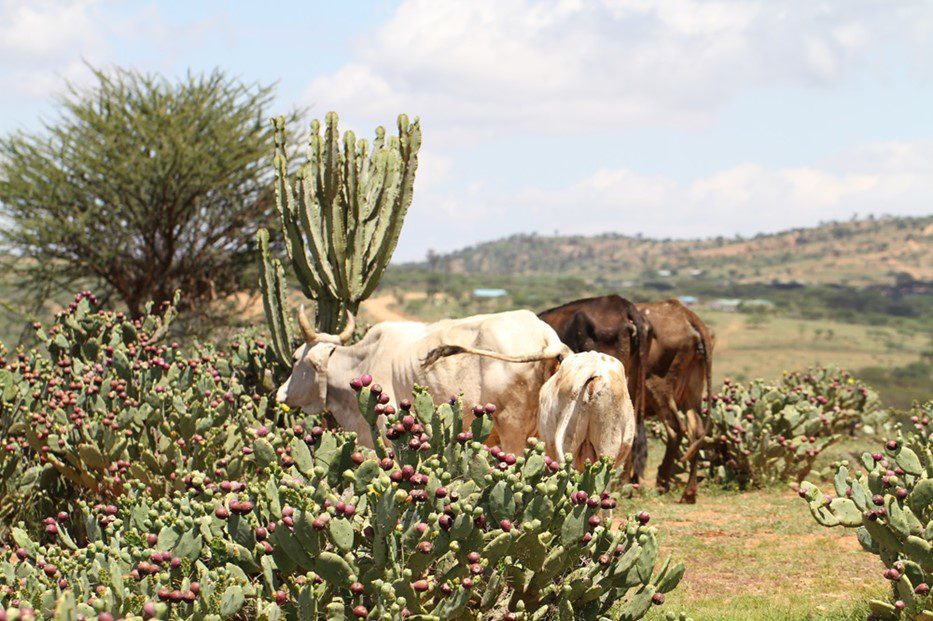
CABI-led research published in the journal Biological Invasions suggests that the invasive prickly pear pest Opuntia stricta could cost sub-Saharan Africa USD 307 billion in lost livestock production over the next 50 years. The authors argue that current costs associated with the “loss” of forage growing under and near O.…
Developing sustainable business models using Earth Observation for climate adaptation
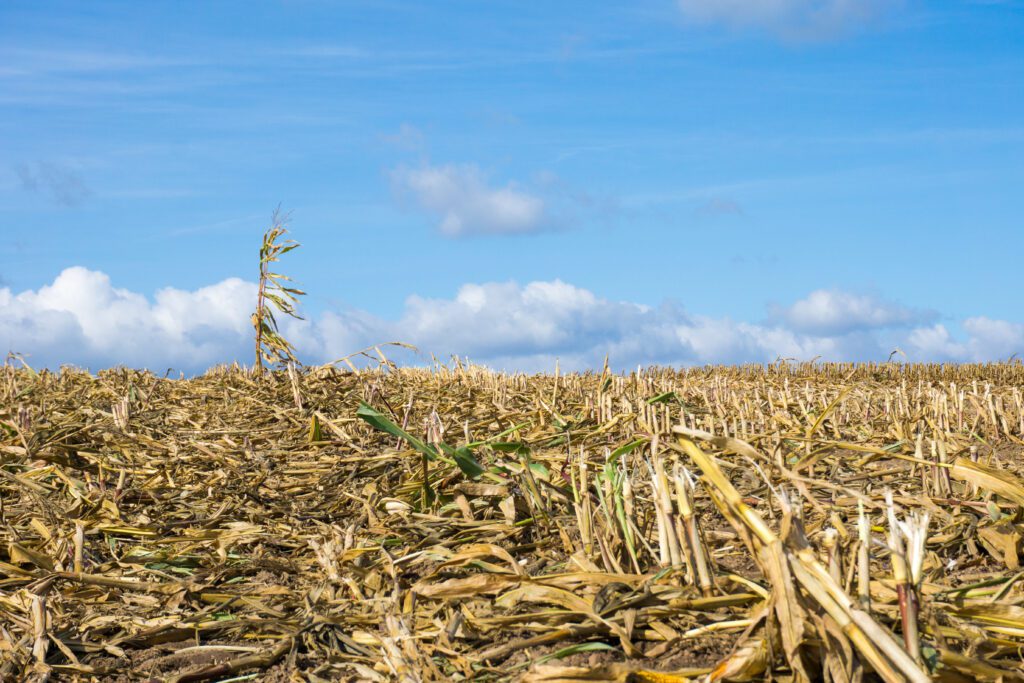
Increasing climate-related risks including extreme heat, drought and the high prevalence of pests and diseases puts agricultural and food systems under constant pressure. While new data and technologies, such as Earth Observation (EO), can help predict and prevent threats, it is not readily available. This project aims to close this…