The challenge
There is often a tendency to move immediately to technology development without first understanding how data must flow between stakeholders, and the policies, governance and practices needed to ensure trustworthy, sustainable outcomes. This "tech-first" mindset can limit the impact of digital resources designed for agriculture and food systems.
Our expertise in data policy and practice helps donors address these challenges and create a strong foundation for digital, data and AI success.
Providing solutions
When applied to data, FAIR principles (making data Findable, Accessible, Interoperable and Reusable) enable more effective collection, management and sharing of data.
These principles apply to both technical and non-technical challenges. For data to be FAIR, technology must be supported by the right people, processes and governance arrangements. If permissions, licensing, national policies, ethical considerations or long-term stewardship are overlooked, data sharing and reuse can be hindered. The FAIR Process Framework provides a practical approach to embedding FAIR and responsible data practices from project conception through implementation.
Any digital and data ecosystem is much more than the technology. Digital development initiatives succeed when focus is placed initially on people and processes, including managing and sharing the data that supports technology and AI systems.
Human-centred design and systems thinking remain essential, focusing on user needs and the problems users face. We therefore start with people and processes before considering technology.
Our data policy and practice expertise
We offer a range of data policy and practice skills for donors. We develop tools and data-driven approaches to sustainable development. Our core strengths in data policy and practice help donors address problems related to data management:

Problem identification
We take a holistic view of projects to understand ad hoc and recurring barriers to good data practices. We perform stakeholder analyses to reveal all the actors involved and identify constraints.

Project design
We help funders and implementing agencies design projects by asking the right questions at the right time, anticipating challenges, and following a human-centred approach that incorporates the people, processes and governance needed for successful technological interventions.

Policy development
We review projects and recommend policy improvements. This includes developing data and AI governance, licensing and responsible AI approaches, and revising policies to align with FAIR and responsible data principles.

Mainstreaming and good practice
We develop standardized data policies and processes that ensure project sustainability and can be applied across related initiatives to address recurring obstacles efficiently.

Best practice tools and resources
We provide tools and resources that help funders apply best practice, including the FAIR Process Framework and the Soil Information Systems Framework, which support FAIR implementation, sustainable data governance and long-term investment planning.
Contact us
Using our expertise in digital development, we turn data and science-based knowledge into actionable, practical information that addresses real needs such as helping to prevent and tackle invasive crop pests. This helps to transform smallholder farmers’ livelihoods and helps agricultural and environmental professionals be more effective in their work.
To find out more about working with us on data policy and practice, contact us.

Martin Parr
Director, Data Policy & Practice
T: +44 (0)1491 829442 E: m.parr@cabi.org
Examples of our work
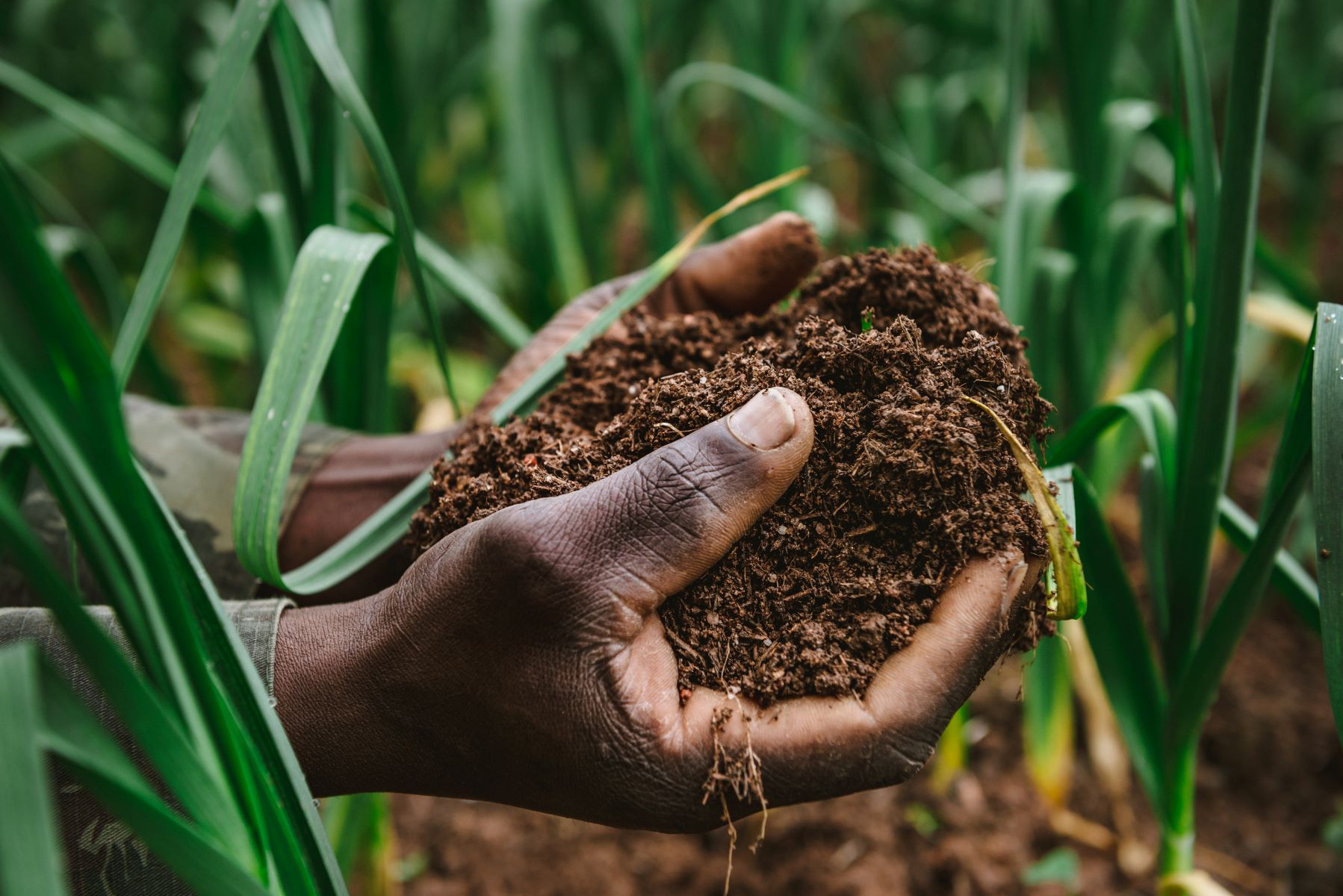
In Rwanda, agricultural productivity can be dramatically improved with accurate soil and agronomy data, helping farmers make better decisions for their land, but this data is currently not shared between stakeholders. CABI is supporting the development of the Rwanda Soil Information Service (RwaSIS) which will help address these issues. Incorporating FAIR data principles will ensure that legacy and new investments in soil research result in better decision-making for Rwandan farmers.
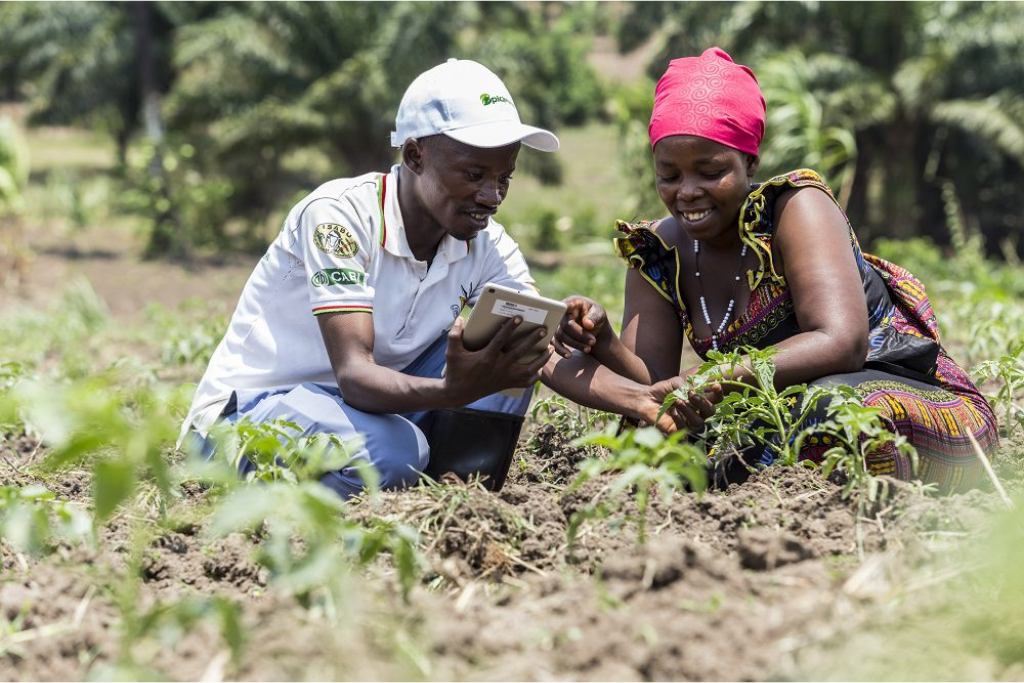
Effective data management is vital for sustainable agricultural development. Developed through CABI’s Enabling Data Access project with support from the Gates Foundation, the FAIR Process Framework helps organizations apply FAIR principles to maximize data value. By fostering collaboration, innovation and responsible practices, the framework enhances data sharing and management. This advances technologies and maximizes the impact of foundation-funded projects worldwide for greater food security.
Related Projects
Enabling FAIR data sharing and responsible data use
This project focuses on enabling FAIR data across agricultural development investments by turning principles into practice. CABI supports partners to make data more findable, accessible, interoperable and reusable through measurable FAIR assessments, domain-specific guidance and trusted data access frameworks. By embedding governance into programme design and funding decisions, and clarifying what “AI-ready” data requires, the project strengthens data ecosystems, improving data reuse, reducing duplication and increasing the value of development investments.

Guiding Acid Soil Management Investments in Africa
The effects of soil acidity on agricultural soils in Africa are a major constraint to crop production and sustainable intensification of the African smallholder farming system. To cope, the existing method is to apply blanket or spatially undifferentiated approaches including the use of lime. This project aims to devise interventions to rehabilitate soils in East Africa by understanding and communicating the differences in soil acidity and how to cost-effectively correct them. Based on data, recommendations will guide investments into appropriate and targeted approaches from the public and private sector, ensuring a maximum return on investment for farmers, governments and the private sector. In this project, CABI’s focus is on enhancing access to, and use of, data related to acid soil management including soil and agronomy data which would lead to evidence-based decisions for investments.
Soil Information Systems Review: a process toward strengthening national soil information systems
The Bill & Melinda Gates foundation has made great progress in the past ten 10 years in exploring new and innovative digital soil mapping technologies and national soil information systems (SIS) in Africa and South Asia to help organise new and existing soil information. However, constraints within countries stop the SIS from being sustainable and adaptable. The foundation is now looking for ways to make the SIS more responsive to local demand. CABI is working with partners to identify what intervention approaches have worked, and which have not, which solutions work best and where to take innovation to scale for SIS development. The process will involve engagement with key stakeholders and decision makers in various countries through an iterative process.