
CABI is an international, Member Country-driven organization that combines science, partnerships and practical solutions to deliver impact, helping to improve lives worldwide. We are proud to be part of the Africa Food Systems Forum's 20th Annual Summit.
Explore this page to discover how you can engage with us, hear from our experts, and connect with our team at the event.
CABI's schedule at the Africa Food Systems Forum
All week, 31 August – 4 September
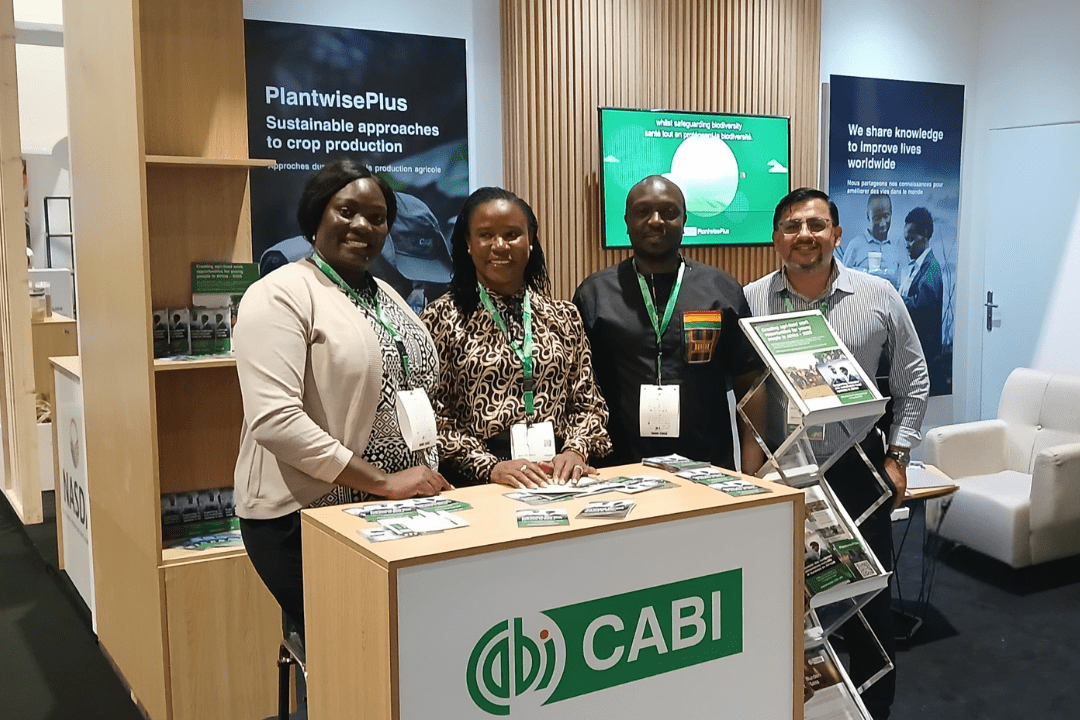
CABI's exhibition booth
Open every day during the Africa Food Systems Forum
Monday, 31 August (Pre-Summit)
Tuesday, 1 September
Breakfast Side Event: Friends of AIRCA Breakfast Meeting
07:00 – 08:30
Location: The Hut Restaurant and Boutique Hotel
CABI speaker: Daniel Elger, CEO
Side Event: Digital Backbone for Africa's Food Systems
08:00 – 09:30
Location: Innovation Hub Tent
CABI speaker: Henry Mibei, Manager, Digital Development, Africa
Panel: Igniting Youth Food Systems Leadership
13:30 – 15:30
Location: Youth Dome
CABI moderator: Violet Ochieng', Research Officer - Drone Technology
Side Event: Mobilizing Investment, Delivery Platforms and Digital Infrastructure for Africa's Soil Health Agenda
16:00 – 18:00
Location: The Table (AD10)
CABI speaker: Martin Parr, Director, Data Policy & Practice
Panel: Special Investment Programs for Youth and Women in Agrifood Systems
16:00 – 18:00
Location: Youth Dome
CABI moderator: Monica Kansiime, Regional Director
Wednesday, 2 September
Breakfast Side Event: From Evidence to Action: Country-Led Soil Nutrient Roadmaps and AI-Enabled Decision Support
07:30 – 09:30
Location: Ubumwe Grande Hotel
CABI speaker: Martin Parr, Director, Data Policy & Practice
Side Event: Powering Inclusive Food Systems
08:00 – 09:30
Location: MH1 - Investment Room, Main Stage
CABI speaker: Monica Kansiime, Regional Director
Panel: Consolidating African Youth Climate Action in Agrifood Systems
13:30 – 15:30
Location: Youth Dome
CABI speaker: Dora Simbwambwa, Research Officer - Plant Pathologist
Thursday, 3 September
Side Event: Creating Jobs Through Value Additions
10:00 – 12:00
Location: Youth Dome
CABI speaker: Violet Ochieng', Research Officer - Drone Technology
Friday, 4 September
Plenary: Digitalization - Unlocking Finance for Sustainable & Human Centred Digital Systems
10:00 – 12:00
Location: Main Plenary Stage
CABI speaker: Daniel Elger, CEO
Our work
Click below to find out more
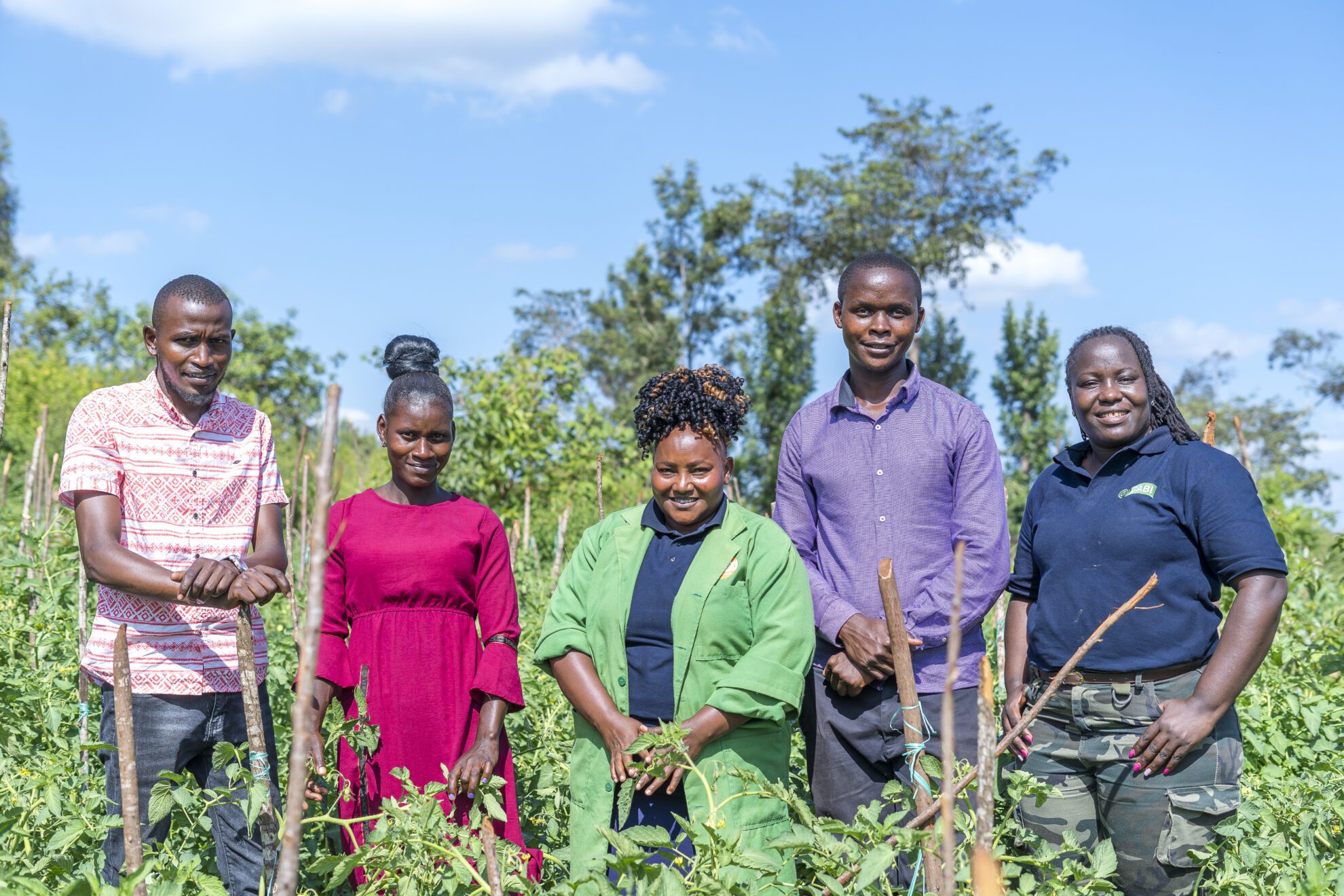
Creating opportunities for rural women and youth
Breaking down the barriers to women and young people’s(opens in new tab) employment in agriculture can benefit agriculture, food security and communities.
We use our understanding of how gender, social relations and underlying power dynamics affect the participation of women, youth and marginalized groups in agriculture. This helps us deliver targeted programming to redress inequalities in wealth and nutrition and create opportunities for women and youth in agricultural value chains.
This includes new income and employment opportunities using innovative business models for youth and women in agriculture to help transform food systems, such as in the production of low-risk bio-based pest control products for local use.
Through gender-responsive and participatory approaches, we ensure equitable access to agricultural information and training that increases the involvement of women and youth and provides them with knowledge and skills that empower them.
Empowering women
For example, through a radio campaign in Ghana, PlantwisePlus and its partners have addressed the barriers preventing women farmers from accessing agricultural advice and leadership opportunities. Through a 16-week radio campaign featuring 123 live programmes, the project delivered climate-smart farming information and raised awareness of issues such as access to credit, land, and legal rights.
Reaching more than half a million listeners, the initiative increased women’s confidence, knowledge, and participation in agricultural decision-making, while encouraging men to support women’s leadership, helping to create more inclusive and productive farming .
For more information on CABI's work with young people in Africa, read our report 'Creating Agri-food Work Opportunities for Young People in Africa'.
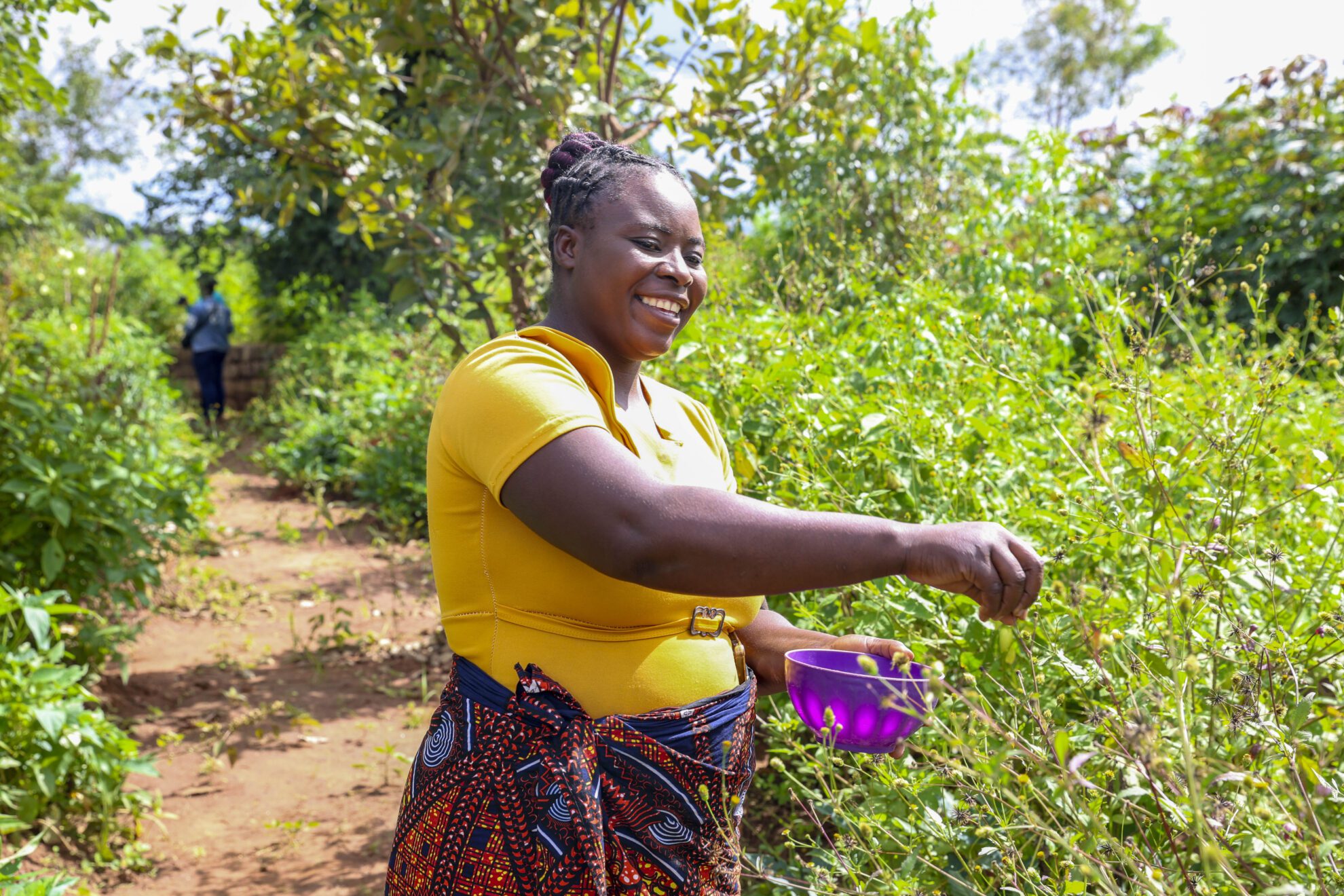
Promoting sustainable crop health
Promoting sustainable crop health
By sharing science-based knowledge about crop health, CABI helps smallholder farmers to grow more and lose less, increase their incomes and improve their livelihoods.
The CABI-led PlantwisePlus programme increases food security and safety, while reducing biodiversity loss through sustainable crop production practices. In 2025, the programme reached over 32 million farmers with knowledge on sustainable farming practices.
PlantwisePlus also supports governments to predict, prevent, and prepare for plant health threats in a changing climate, supporting coordinated systems that enable smallholder farmers to reduce crop losses and produce more and safer food.
We work with donors and partners to deliver projects in Integrated Crop Management (ICM), combining a variety of practices in, for example, pest and soil health management, helping farmers to grow better crops.
Natural pest control enhancing rural livelihoods
Papaya mealybug (Paracoccus marginatus) is a devastating papaya pest, impacting many countries in East and West Africa. Infestations can result in significant economic losses, often crop losses of up to 100%, leading to many farmers abandoning papaya cultivation.
Following a significant invasion of the pest in Kenya, we used science and knowledge to help farmers slow down the spread. CABI introduced a beneficial parasitic wasp to successfully reduce mealybug populations by up to 76% within two years. This helped double average papaya harvests and increase farmers’ incomes by more than 50%. These outcomes underscore the economic and food security benefits of biocontrol.
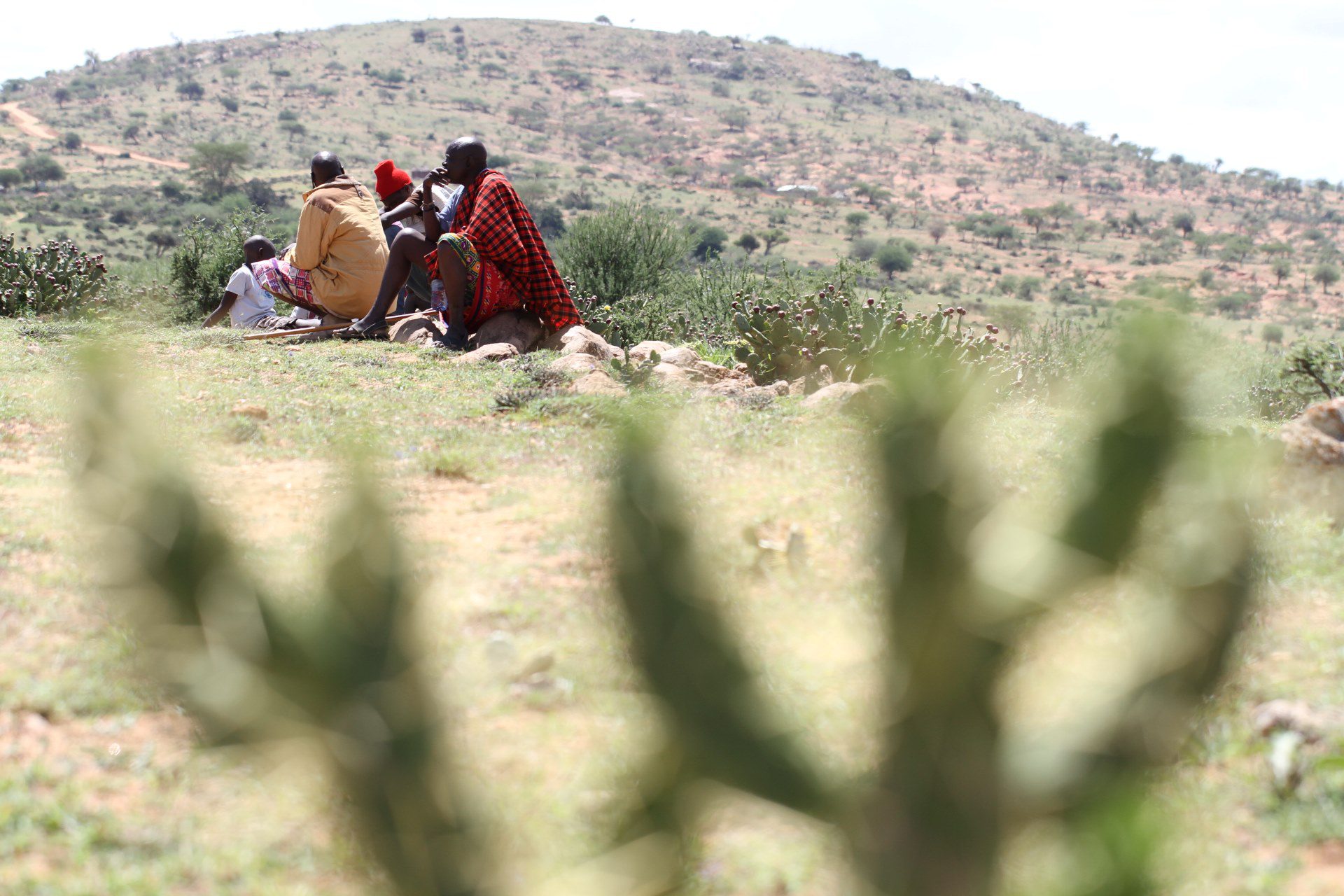
Building on this success, CABI is also working with communities in Naibunga Conservancy to control invasive cactus species using cochineal insects, supporting sustainable ecosystem management, livelihoods, and food security.
PlantwisePlus
PlantwisePlus aims to reach 75 million smallholder farmers in low and lower-middle income countries, providing them with access to the knowledge and skills they need to improve their production practices.
This will be achieved by supporting countries to predict, prevent, and prepare for plant health threats in the face of a changing climate. This ensures that smallholder farmers reduce their crop losses and produce more and safer food through sustainable crop production practices.
Delivered through gender-sensitive and climate-resilient approaches, PlantwisePlus is tackling the challenges facing smallholder production through three impact pathways: Pest Preparedness, Pesticide Risk Reduction, and Farmer Advisory.
Sharing innovative digital and data-driven solutions
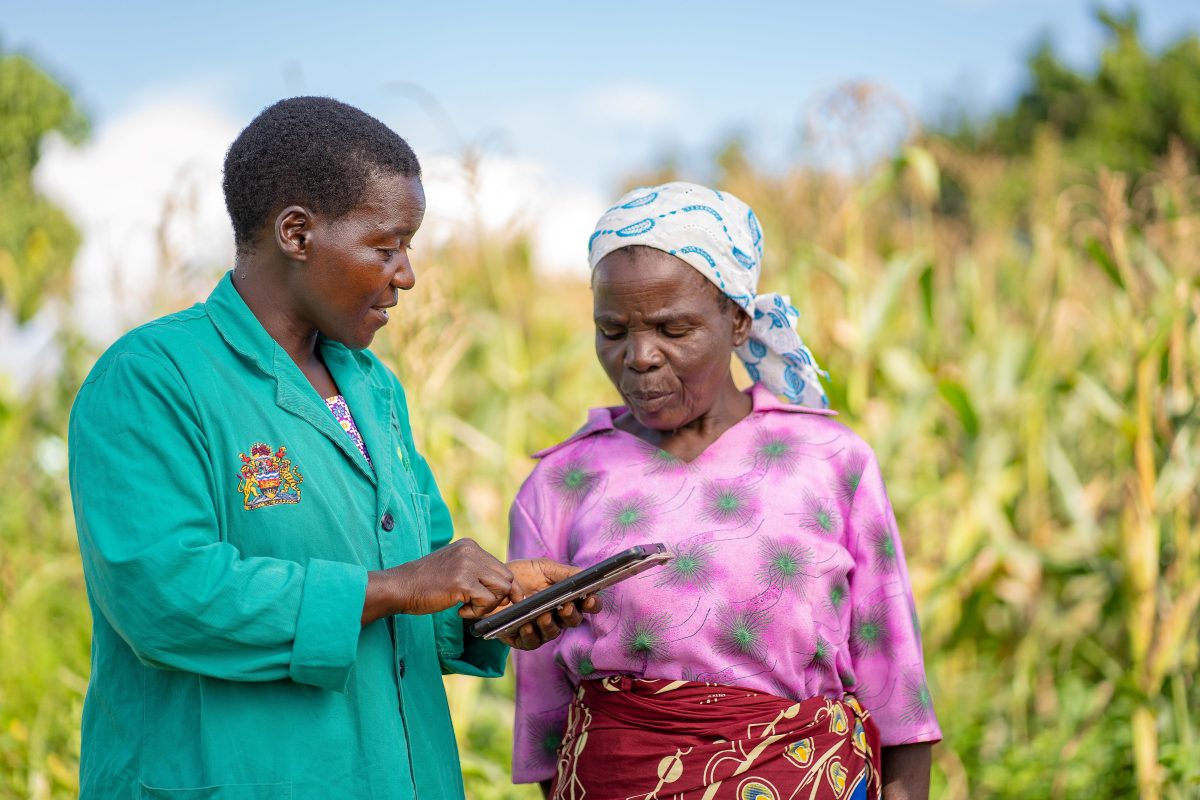
Through the creation and application of digital technologies, CABI brings science-based agricultural knowledge to millions of smallholder farmers, helping to increase their yields. We help to transform smallholder farmers’ livelihoods by turning data and science-based knowledge into practical information that addresses their real needs.
Our strengths in developing digital advisory tools such as apps, mobile services, web portals and digital learning help stakeholders tackle complex problems by making it easy to understand the science behind challenges and offering best-practice solutions.
Our expertise in data policy and practice help donors address problems related to data management. This includes the launch of the FAIR Process Framework, a set of tools already making an impact with the potential to be transformative in operationalizing FAIR data principles.
Our data-driven development work includes the PRISE pest forecasting system. Our strengths include alerting farmers about impending pest risks, mapping and monitoring the spread of invasive weeds, predicting the potential establishment of insects, and supporting the uptake of biological control. Recent CABI evidence has linked pest alert systems to increased farm production and improved livelihoods.
Generative AI for Agriculture Advisory
Generative artificial intelligence (GenAI) is creating new opportunities to improve access to trusted agricultural advice, including through GenAI chatbots that can make localized information more readily available to smallholder farmers. However, AI systems depend on access to high-quality content with clear permissions for how it can be used. Through the Generative AI for Agriculture Advisory (GAIA) project, CABI and partners are developing content licensing and data governance approaches that enable trusted agricultural knowledge to be shared safely, ethically and responsibly within AI applications.
This multi-partner initiative explores how GenAI tools can improve the quality and inclusivity of agricultural advice. CABI leads on the delivery of advisories, data governance and ethical guidance.
Reducing pesticide risks for safer food and farming
With food demand expected to double by 2050, creating sustainable agricultural value chains(opens in new tab) and breaking down barriers to trade has never been more important. Working with our donors and partners, CABI helps smallholder farmers to produce food safely, sustainably, and work together to improve access to markets and boost their livelihoods.
We successfully increase value chain efficiency and empower agricultural value chain actors to help farmers comply with market requirements. This provides pathways for entry into national, regional and international markets by sharing information, skills and technologies.
We help farmers meet Sanitary and Phytosanitary (SPS) standards so that they can protect their produce from contaminants such as pesticide residues, diseases and pests, and strengthen consumer acceptability.
For example, in 2025, a new milestone was achieved in Kenya – the first-ever export of Apple mangoes to the UK. This was achieved through CABI supporting Kenya in meeting UK SPS standards, demonstrating how targeted support can boost incomes and strengthen economies.
Reducing pesticide risks
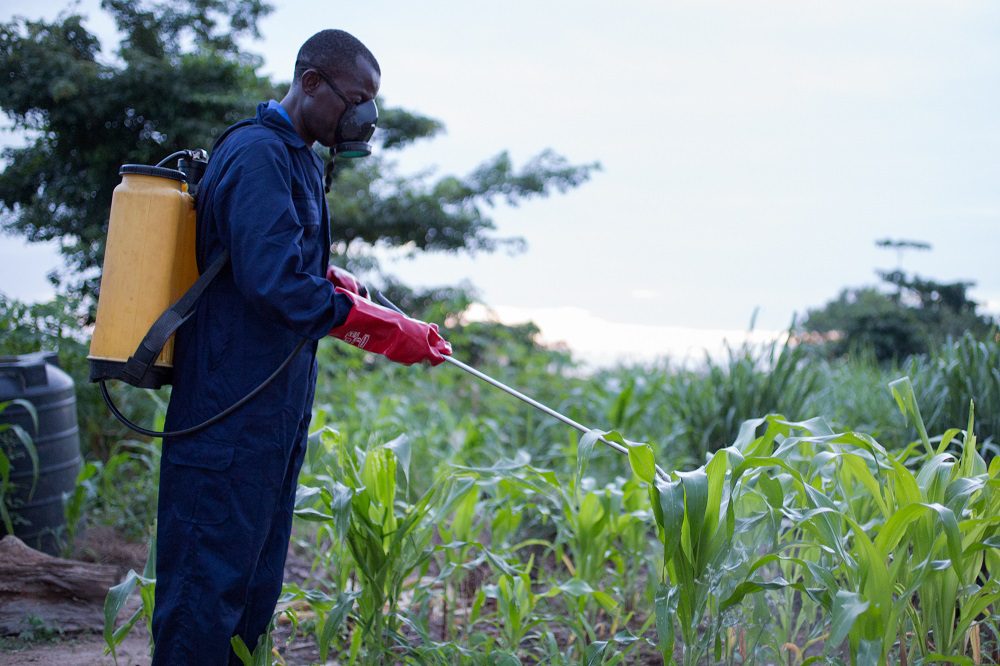
We recognize the urgent need to increase the uptake of lower-risk plant protection products by farmers. There are many ways to reduce pesticide use(opens in new tab), including through education and training. For example, a behaviour-change campaign and training led to a 15% increase in the adoption of safer pesticide use practices in Uganda.
Pesticide reduction can also be achieved through the use of biological control and the use of natural biopesticides as well as techniques such as Integrated Crop Management (ICM) and Integrated Pest Management (IPM). These are all areas in which we have expertise.
Global Partnership for Pesticide Risk Reduction
A recent CABI consultation with our Member Countries and key partners highlighted common challenges in reducing pesticide risks.
CABI is now mandated to lead stronger and more coordinated action. The new initiative aims reduce pesticide risks through integrated action across the food system: strengthening policy environments, improving production practices and investing in research that supports effective, lower risk alternatives.
CABI brings world-leading expertise in lower risk pest management and extensive experience working with farmers, extension systems, agro-input suppliers, regulators, researchers and educators. We are building partnerships to scale efforts - explore partnership opportunities with us.
Scaling regenerative landscapes for climate resilience and biodiversity
Biodiversity loss is proceeding at an unprecedented pace, jeopardizing the stability of natural ecosystems, increasing vulnerability to climate change, limiting options for climate adaptation and threatening food security.
CABI is a world leader in nature-based solutions, including biological control solutions for specific pests, diseases and weeds that minimize environmental harms. Through our work, we support climate-smart and regenerative approaches that help farmers and communities adapt to climate change, strengthen ecosystem resilience and reduce pressure on natural resources.
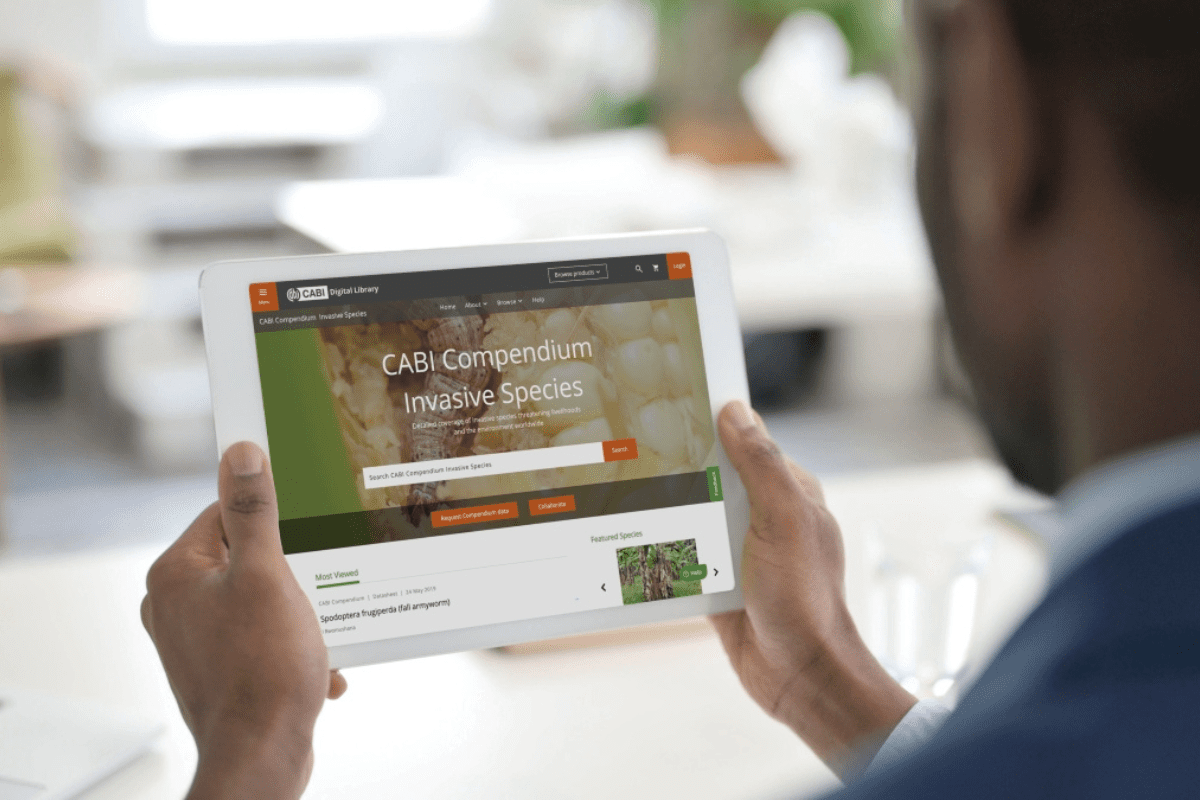
CABI scientists estimated the economic impact of invasive species on Africa’s agricultural sector to be US$65.58bn a year. Our programmes to manage invasive species help preserve and restore biodiversity across the world. Our work seeks to ensure agricultural systems are embedded in climate-resilient and biodiverse landscapes, with clean water and air, healthy soils, and functional ecosystem services.
Integrated Landscape Management
Nature-based solutions like biocontrol and Integrated Pest Management can be important components for an Integrated Landscape Management (ILM) approach which encompasses informed and inclusive planning at a landscape level, integrating ecological, social and economic considerations.
The principle of ILM often requires balancing contrasting and divergent needs between delivering economic development and food production, whilst enhancing biodiversity and nature. Through careful participatory planning and adaptive strategies involving all stakeholders, ILM ensures resilience to environmental challenges while fostering a harmonious coexistence between nature and human activities.
CABI Multifunctional Landscapes
A new, international, open access journal dedicated to advancing integrated landscape research through inclusive, transdisciplinary, and practice-oriented research. Developed in partnership with "1000 Landscapes for 1 Billion People".
Global Burden of Crop Loss
Every year, up to 40% of crops are lost before they are even harvested. Crop loss impacts on food security, farmer livelihoods and economic stability. However, the problem is poorly understood, preventing effective action to reduce losses.
The Global Burden of Crop Loss initiative aims to bridge this knowledge gap by providing trusted, actionable estimates of crop losses to inform decisions on improving agricultural output and food security globally.
Supporting evidence-based solutions
Despite the wealth of data available about agriculture and the environment, major gaps remain. We understand that existing data and evidence need to be curated, synthesized and made more accessible, turning them into useful knowledge for decision-makers who are working to transform food systems.
We continue to create, curate and share high-quality evidence that is relevant to policy and practice, for different stakeholders, from farmers and their advisors to policymakers, researchers, students, industry actors and investors.
The One Health Hub identifies gaps in One Health knowledge, analyses evidence, and facilitates dialogue, helping to shape policies for a more interconnected approach to health across human, animal, plant and ecosystem health.
Scientific Publishing
Our publications in the applied life sciences, including world-leading databases, books, journals, repositories and knowledge platforms, help researchers and decision-makers access trusted scientific evidence from around the world.
By adding insight to data and translating science into practical solutions, we help people tackle real-world challenges. Our publishing expertise and learning resources build the capacity of farmers, practitioners and scientists to improve agricultural systems and livelihoods.