Inclusive, sustainable coffee value chain in Vietnam
Coffee is a major agricultural sector in Vietnam. However, smallholder farmers face challenges that threaten their productivity, livelihoods and the long-term sustainability of production. In particular, many have limited access to technical advice, finance and quality inputs. Environmental pressures and climate change also make it harder for farmers to adopt sustainable practices. With support from the Asian Development Bank (ADB), CABI worked with its partners to strengthen the coffee value chain. The project supported farmers through practical training, demonstration plots and data-driven advisory services. In addition, it promoted Good Agricultural Practices (GAP), Integrated Pest Management (IPM) and Climate-Smart Agriculture (CSA). The project also encouraged more efficient use of fertilisers and water. It promoted gender inclusion and the elimination of child labour. The aim was to improve farming practices, strengthen climate resilience and support better livelihoods for coffee-growing communities.
Project Overview
So, what’s the problem
Smallholder farmers dominate Vietnam’s coffee sector. In fact, many cultivate plots of around one hectare. Their livelihoods depend heavily on coffee productivity and prices. Yet they often have limited access to technical advice, suitable financial services and quality inputs. Weak infrastructure and reliance on middlemen can also limit their productivity and returns.
Environmental pressures add further challenges. For example, heavy use of fertilisers and agrochemicals can contribute to greenhouse gas emissions. It can also cause soil degradation and water pollution. Similarly, unsustainable land management can lead to deforestation and the loss of natural resources. Meanwhile, climate change threatens coffee production through more frequent floods and storms.
Social inclusion is another concern. For instance, women and vulnerable groups may have fewer chances to join training or access advisory services. They may also have less say in farm-level decisions. Child labour risks highlight the need for responsible practices throughout the value chain.
Without better knowledge and practical support, smallholders may struggle to respond to these linked challenges. As a result, lower productivity, rising input costs and environmental damage can undermine farm profits. Limited opportunities for women and vulnerable groups can reinforce existing inequalities. Strengthening farmers’ skills and access to support is therefore vital. It can improve livelihoods and build a more sustainable, climate-resilient coffee sector.
What is this project doing?
CABI partnered with the Western Highlands Agriculture and Forestry Science Institute (WASI) and Olam Food Ingredients (ofi) Vietnam. Together, they aimed to strengthen the skills, knowledge and resilience of smallholder coffee farmers. The project focused on building an environmentally sustainable, climate-resilient and inclusive coffee supply chain.
In particular, the project aimed to train 2,000 coffee growers in GAP, IPM and CSA. It also promoted better soil and water management and more efficient use of inputs. Other topics included gender inclusion, financial literacy and the elimination of child labour.
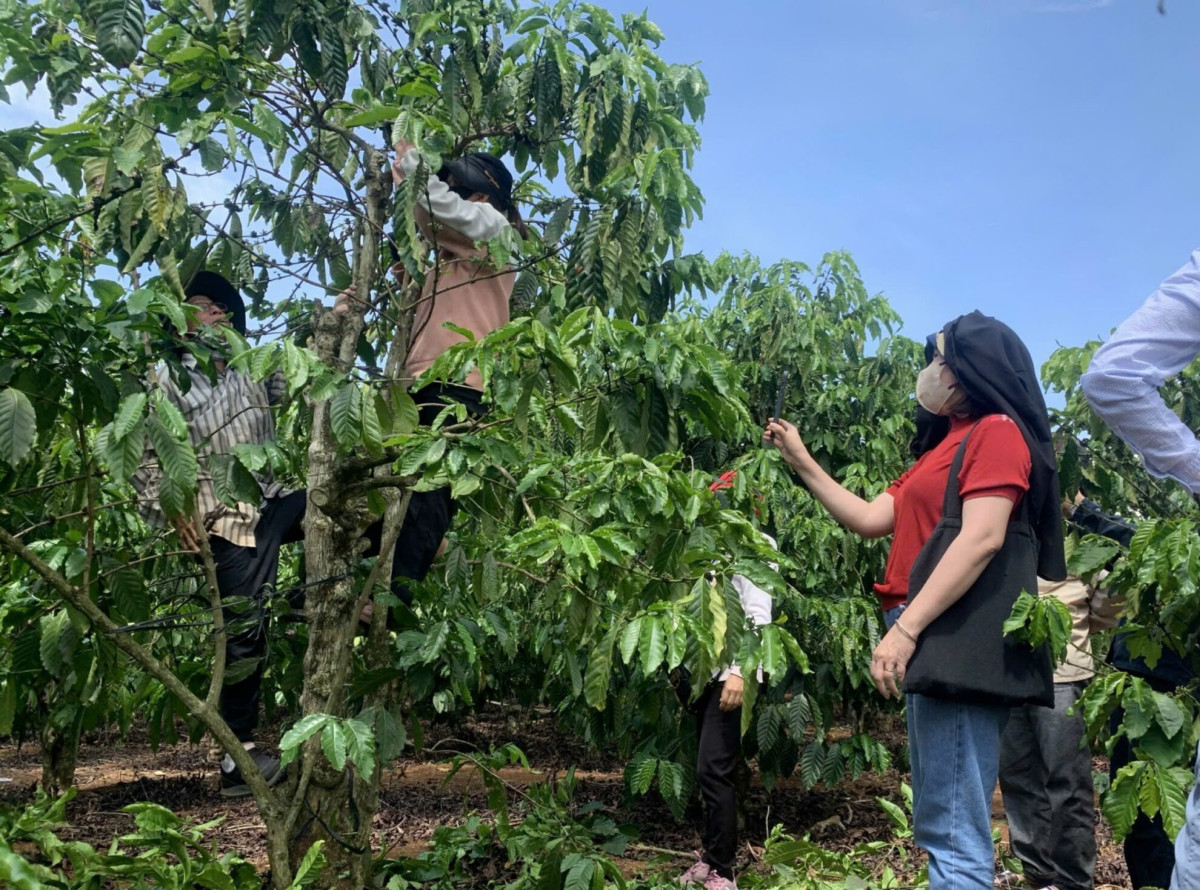
The project registered farmers in the Olam Farmer Information System (OFIS). The system then supported farmer profiling, baseline assessments and data-informed advice. Training covered fertiliser management, pruning, intercropping and composting. It also covered IPM, safe pesticide use and improved harvesting and post-harvest practices.
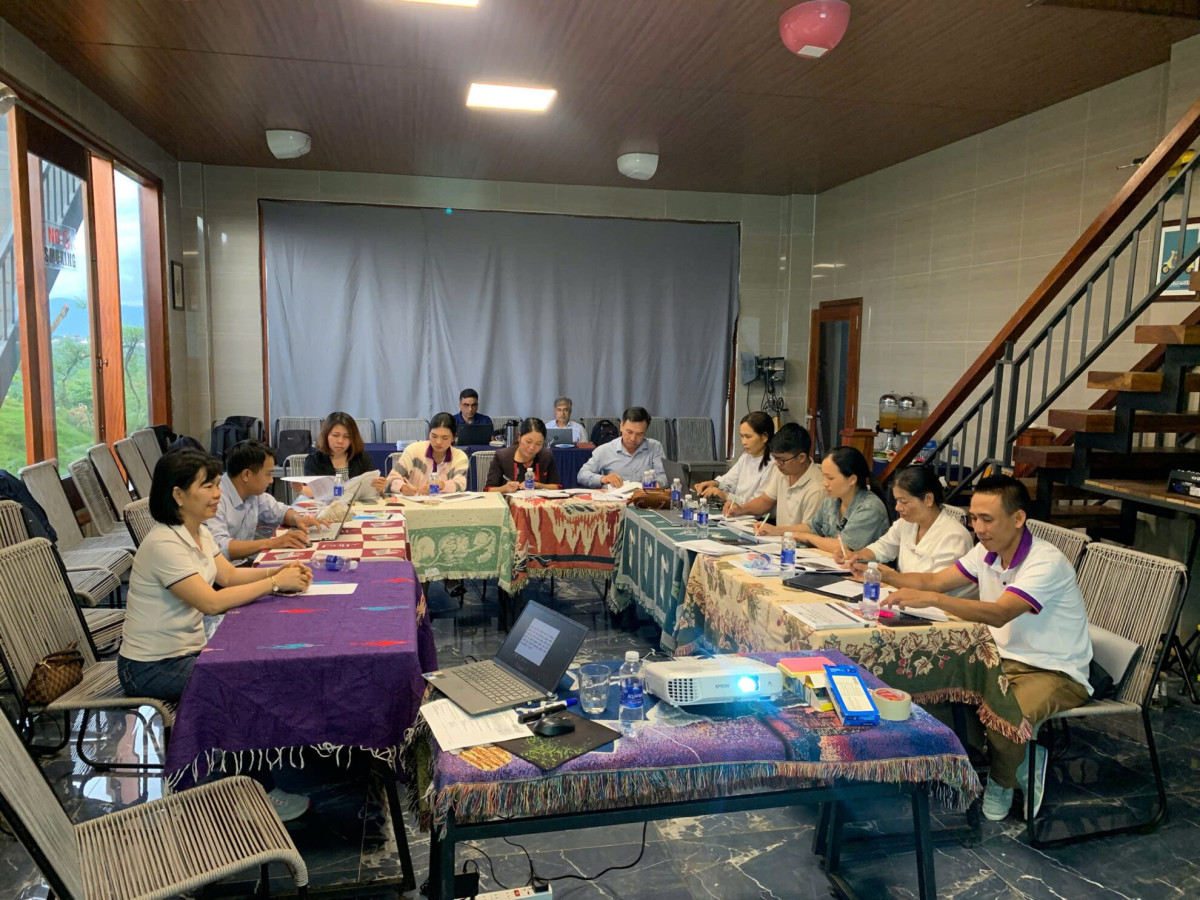
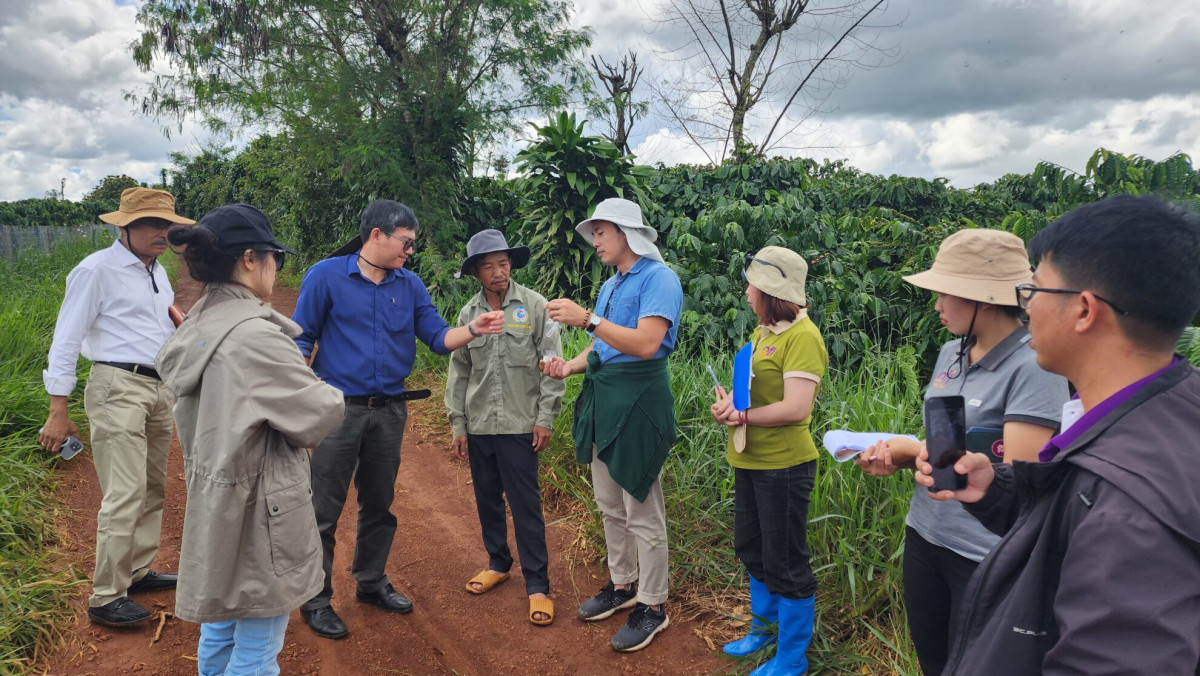
The project also planned nine coffee demonstration plots. These offered hands-on learning in farm rehabilitation, soil management and water efficiency. In addition, CABI supported farmer training, demonstrations and assessments of training effectiveness and impact. The team encouraged women’s participation through inclusive training, training-of-trainers activities and other engagement.
By combining practical learning, farmer information systems and demonstrations, the project encouraged sustainable farming. It also aimed to improve resource efficiency and strengthen livelihoods across the coffee value chain.
Results
The project made progress in strengthening sustainable coffee production across Lam Dong, Dak Nong and Gia Lai provinces. CABI and its partners completed baseline profiling for 712 farmers. They also registered 2,081 farmers in the OFIS, exceeding the target of 2,000. The system provided a digital foundation for farmer profiling, training, advice and personalised farm planning.
A total of 1,584 coffee farmers took part in training. Together, they generated 2,427 farmer participations. Sessions focused on sustainable coffee production, optimised fertiliser use, pruning, intercropping and composting. Farmers also learned about soil and water management, IPM and safe pesticide use. Training on improved harvesting and post-harvest handling completed the programme.
Women accounted for around 34% of training participation. Activities also addressed gender inclusion and women’s roles in coffee production. Training also covered the elimination of child labour, including through training-of-trainers sessions. Partners also held a dedicated International Women’s Day event.
The team fully implemented and monitored eight demonstration plots. Compared with control plots, they used around 20% less fertiliser and 16% less water. They also achieved 10% higher green coffee yield.
Furthermore, an independent assessment reported an average knowledge recall rate of 94.4%. Adoption of key GAP, IPM and CSA practices ranged from 80.7% to 98.0%. Overall, these findings show progress in farmer knowledge and the uptake of sustainable methods.
Project Manager

Muhammad Faheem
Integrated Crop Management Advisor
Building A19, MARDI, 43400 Serdang, Selangor, Malaysia