
Turning science journalism into action
Summary
SciDev.Net is the world’s leading source of news, views, and analysis for science and global development, operating as part of CABI. In 2025, its content was seen or heard 313.7 million times. Its journalism helped prompt public health, environmental, and policy responses that changed people’s lives, from maternal kidney screening in Uganda to child mpox vaccination advocacy in DR Congo. It also strengthened communications for the Science Granting Councils Initiative (SGCI), helping it reach 183.4 million people across Africa from 2023 to 2025.
The story
Research only matters if it improves lives. But evidence rarely moves by itself. Too often, findings remain trapped in journals, reports and project documents, far from the policymakers, practitioners and advocates who can act on them. That gap between knowledge and action is where science journalism matters.
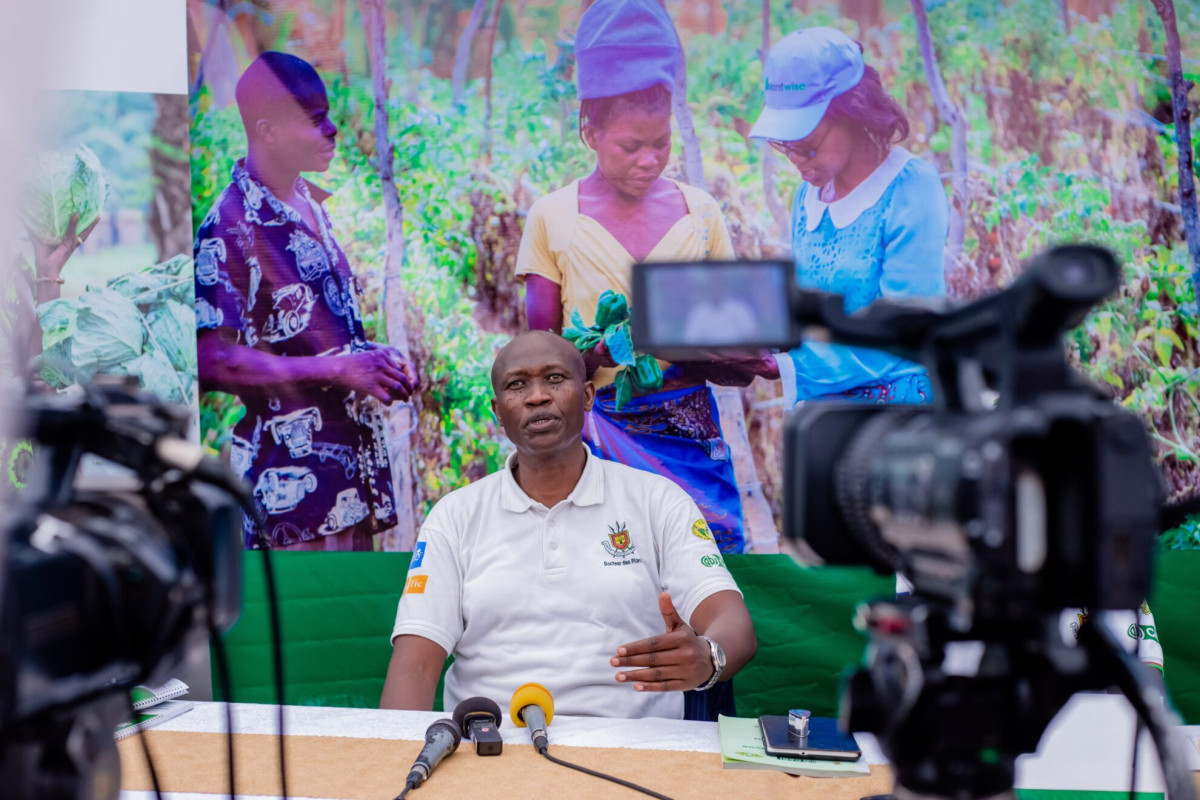
SciDev.Net is the world’s leading source of news, views, and analysis for science and global development, operating as part of CABI. It turns credible research into engaging, accurate and verified reporting, strengthened by expert comment and field reporting. We then push that reporting through wide distribution, so it reaches the people who can use it. In 2025, SciDev.Net content was seen or heard more than 300 million times across our website, syndication partners (including radio) and social media. It also helped prompt real-world change.
In Uganda, SciDev.Net’s reporting on the link between pre-eclampsia and chronic kidney disease helped bring new evidence to the Ministry of Health’s attention. Following engagement with our reporter, the ministry outlined actions, including regional dialysis and kidney care centres, routine kidney check-ups in postnatal care, and stronger referral and community health measures for at-risk mothers. For women facing serious complications after pregnancy, the value was practical: it brought new evidence into the Ministry’s thinking about postnatal care and follow-up.
In the Democratic Republic of the Congo, SciDev.Net’s reporting on delays in vaccinating children against mpox helped strengthen advocacy. A child-rights defender said the article inspired renewed pressure on authorities and partners, and that vaccination of children was subsequently rolled out across South Kivu’s health zones.
SciDev.Net’s journalism also informed accountability efforts beyond the health sector. In the Philippines, a SciDev.Net report on reclamation projects in Manila Bay was cited in a petition to the Supreme Court seeking environmental protection for the bay and the livelihoods of fisherfolk. The case showed how independent journalism can become part of the evidence base used by civil society in judicial proceedings.
In Libya, SciDev.Net’s reporting on the spread of the red palm weevil in the Awjila oases helped push the issue onto the government agenda. Following publication, the Minister of Agriculture in the Government of National Unity issued an official decision to form a scientific committee of university experts to assess the infestation and recommend evidence-based responses. For farming communities that depend on palm trees as an economic, agricultural, and cultural resource, the article helped move the issue from local concern to formal government action.
These are just a few examples of real-world impact achieved by SciDev.Net’s journalism.
Alongside this direct journalism impact, SciDev.Net also played an important role for the Science Granting Councils Initiative (SGCI), where it served as a Collaborating Technical Partner (CTA) supporting communications for the project and ensuring visibility for SGCI research and innovations across Africa. Over the life of the project (2023-2025), SciDev.Net helped SGCI content to be seen or heard an estimated 183,447,788 times through website content, newsletters, social media, podcasts, and radio syndication. It rebuilt the SGCI Africa website, launched SGCI’s LinkedIn page, produced 69 knowledge-focused content pieces, delivered 100 stories across 28 editions of the Footprints newsletter, and produced 43 podcasts, with radio syndication alone accounting for 152 million listens.
This work was not just about promotion. It was about making research more usable. SciDev.Net ran a 13-week science communication webinar series for 102 participants from 22 countries, and in 2025 delivered a focused policy brief webinar that drew 99 registrations from 11 countries. Participants’ correct answers in pre- and post-training quizzes rose from 47% to 92%, and researchers submitted eight draft policy briefs for expert feedback. The training helped ensure that SGCI researchers and councils not only generate knowledge but also communicate it in ways policymakers could act on.
Taken together, these results show the distinctive value of SciDev.Net within CABI. It combines trusted journalism, wide distribution and practical communication support to ensure that science does not sit unread in journals or project reports. It reaches people, informs decisions and helps turn evidence into action.
Expertise
CABI has developed a number of core skills which will ensure it achieves its strategic goals.
Crop health
Development communication and extension
Digital development
Invasive species
Publishing
Value chains and trade
Focus
CABI's strategic goals.
Economic development
Food and nutrition security
Gender and youth
Countries
Our work is delivered through dedicated teams and key partners in over 40 countries across the world.
Sustainable Development Goals
Helping small-scale farmers improve their livelihoods by providing knowledge about plant health and access to markets.
Developing a sustainable food system that helps smallholders meet the world's growing need for food.
Support development and prosperity by seeking out, organizing and making evidence based knowledge with those that need it.
Empowering women and young people to play a more powerful role in the future of agriculture.
Helping grow more from less land by introducing higher-yielding and environmentally responsible food production techniques.
Helping agricultural sector to supply sufficient, safe and nutritious food, embedded in a healthy and climate resilient landscape
Protect, restore and promote sustainable use of terrestrial ecosystems, combat land degradation and halt biodiversity loss.
Organizations must develop and enhance partnerships to find the best and most sustainable solutions to the world's challenges.