
Reducing pesticide risks, protecting people and the planet
Summary
We must reduce pesticide risks to protect the health of humans, animals, and the environment. Campaigns such as Ukulima True in Kenya have seen measurable changes in people’s behaviour around the uptake of integrated pest management (IPM), driving widespread adoption of safer practices. Training agro-dealers further improves the judicious use of pesticides, strengthening resilient, sustainable food systems.
The story
Reducing the risks posed by pesticides is critical to the health of people, animals and the environment. Chemicals in some pesticides can harm wildlife, drive biodiversity loss and weaken ecosystems. Exposure has been linked to long-term illnesses, even fatalities. Yet for many smallholders, pesticides often feel indispensable. Climate change has worsened the spread of pests, reducing crop yields and threatening livelihoods and food security. However, while many farmers lack access to reliable advice about safer pesticide use or lower-risk alternatives, knowledge sharing is providing answers.
CABI and partners are working in partnership through initiatives that combine science with social and behaviour change. In Kenya, the Ukulima True campaign has reached farmers, agro-dealers, consumers, policymakers, and extension workers on ways to put pesticide risk reduction into practice. Through radio programmes and peer-to-peer learning, the campaign has promoted safer pesticide use and alternative approaches such as integrated pest management (IPM).
A recent evaluation of the Ukulima True campaign reported a 15% increase in the adoption of safer pesticide use practices such as wearing personal protective equipment, proper disposal of pesticide containers, and adhering to pre-harvest intervals. The study also reported an 18% increase in the use of IPM practices and an 18% higher willingness to pay for biopesticides among farmers reached by the campaign.
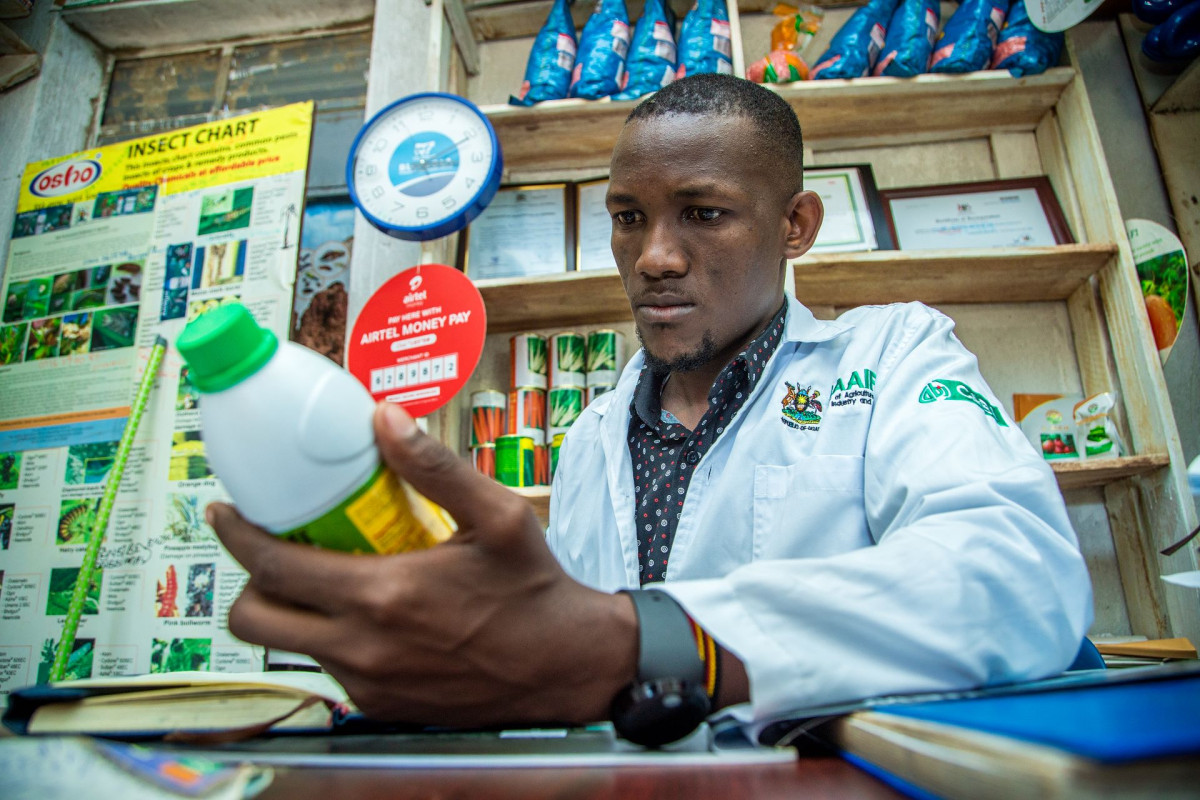
At the same time, CABI is working with countries such as Bangladesh, Nepal, Sri Lanka, and Uganda to support the development of training material for certification of agro-dealers. These agricultural input specialists play an important role in delivering pest management advice to farmers. In Uganda, extension services currently reach an estimated one in four farming households. However, agro-dealer training could boost the reach of plant health knowledge, providing a reliable source of information on pesticide risk reduction.
A CABI initiative has led to the creation of training content for agro-dealers in Uganda. The information supplemented existing teaching on safer pesticide use. It also included an additional training companion on low-risk plant protection products. Furthermore, it covered a more holistic approach to farming through IPM. By building the agro-dealers’ capacity to provide guidance, CABI-led projects are transforming local support systems and reducing pesticide misuse at source.
“After training I opened up an agro-input shop and advise farmers with confidence.” – Nakirya Tabitha, agro-input dealer, Uganda
“The response has been encouraging. I am confident that with these training materials, we are setting a new standard for plant protection practices across the country.” – Dr Paul Mwambu, Ministry of Agriculture, Animal Industry, and Fisheries, Uganda
Together, these efforts show that pesticide risk reduction supports productive yet sustainable food systems. This impact was formally recognized in 2025, when CABI received recognition from the FAO for its work supporting smallholder farmers in sustainable plant production and protection for greater livelihoods and food security.
Expertise
CABI has developed a number of core skills which will ensure it achieves its strategic goals.
Focus
CABI's strategic goals.
Biosciences
Climate change and biodiversity
Food and nutrition security
Sustainable Development Goals
Helping small-scale farmers improve their livelihoods by providing knowledge about plant health and access to markets.
Developing a sustainable food system that helps smallholders meet the world's growing need for food.
Support development and prosperity by seeking out, organizing and making evidence based knowledge with those that need it.
Helping grow more from less land by introducing higher-yielding and environmentally responsible food production techniques.
Helping agricultural sector to supply sufficient, safe and nutritious food, embedded in a healthy and climate resilient landscape
Protect, restore and promote sustainable use of terrestrial ecosystems, combat land degradation and halt biodiversity loss.
Organizations must develop and enhance partnerships to find the best and most sustainable solutions to the world's challenges.
Related projects
PlantwisePlus
Farmers’ crops are increasingly at the mercy of climate change, pests and diseases. PlantwisePlus will work to help countries predict, prepare for and prevent potential threats and reduce crop losses. We will provide comprehensive support to countries and farmers so they meet the increasing global demand for quality food in a changing climate.
Start: 01/07/2021