
Pest alerts boost farmer yields and incomes
Summary
CABI has contributed to critical quantitative evidence demonstrating the link between pest alert systems such as PRISE (the Pest Risk Information Service) and changes in smallholder farmers’ behaviour and productivity. Providing pest alerts to smallholder farmers increases the likelihood that they adopt integrated pest management (IPM) by 8-32% and boosts their crop yields and income by 18-26%.
The story
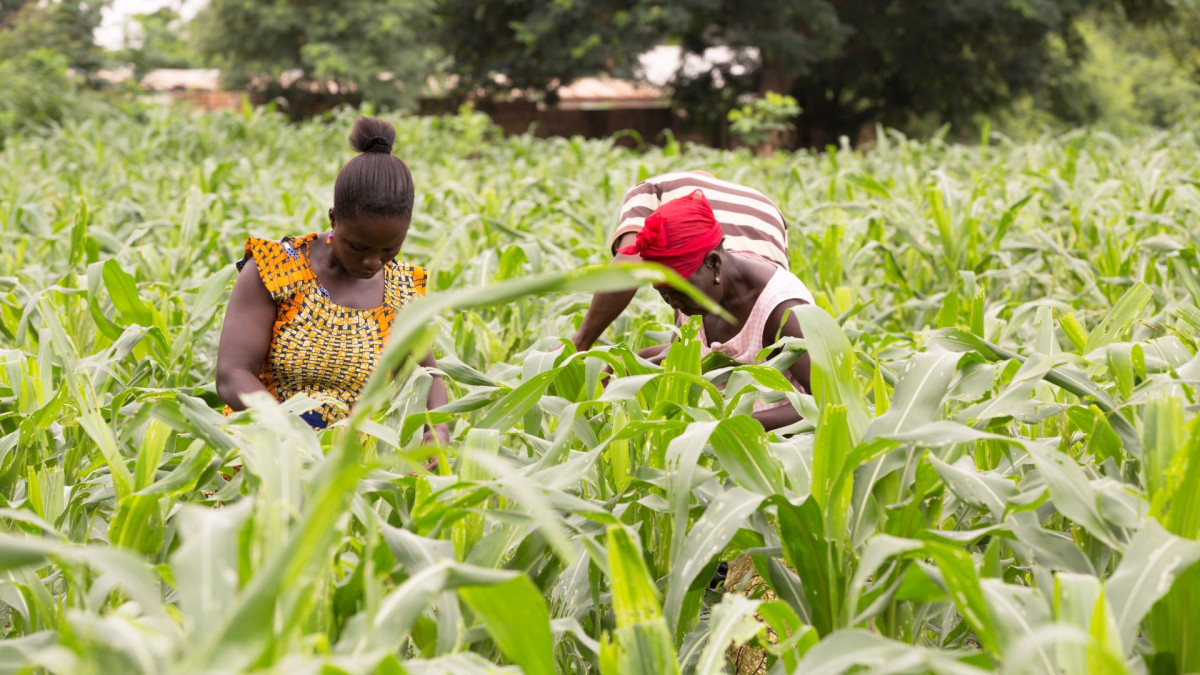
Crop pests significantly reduce agricultural productivity across the world, posing a major challenge to food security and economic growth. Digital advisory tools that integrate environmental and pest modelling data can improve pest management. However, the kind of quantitative evidence that can verify their effectiveness and impact is limited.
To address this gap, CABI conducted research of more than 4,000 smallholder farmers who received time-to-act advisories from the Pest Risk Information Service (PRISE). This initiative uses a novel combination of earth observation, weather data, and field and plant-pest lifecycle data to model the most appropriate time to take pest control actions.
The survey revealed significant results. When smallholders have access to pest alerts, they are statistically more likely to put in place improved agricultural practices. For example, farmers who received alerts were 8-32% more likely to adopt integrated pest management (IPM) techniques compared to those who did not. Moreover, recipients were 18-26% more likely to report increases in their yields, and therefore incomes, suggesting a link between pest alert access and farm-level performance.
The study adds to existing literature by analyzing the relationship between pest alert provision to farmers and farm performance. Data from four African countries – Ghana, Kenya, Malawi, and Zambia – was used during the study, and the wide range in reported adoption rates (8-32%) reflects variability between country, crop, and season.
These findings provide some of the first quantitative evidence linking pest early warning systems to changes in behaviour and productivity among smallholder farmers. The results indicate the benefits of pest alerts and how they can effectively shape pest management strategies. As the climate continues to change, giving smallholders access to reliable, science-based insights and decision support is key to helping them adapt and maintain resilient farming systems.
Expertise
CABI has developed a number of core skills which will ensure it achieves its strategic goals.
Focus
CABI's strategic goals.
Biosciences
Climate change and biodiversity
Food and nutrition security
Sustainable Development Goals
Helping small-scale farmers improve their livelihoods by providing knowledge about plant health and access to markets.
Developing a sustainable food system that helps smallholders meet the world's growing need for food.
Helping agricultural sector to supply sufficient, safe and nutritious food, embedded in a healthy and climate resilient landscape
Protect, restore and promote sustainable use of terrestrial ecosystems, combat land degradation and halt biodiversity loss.
Organizations must develop and enhance partnerships to find the best and most sustainable solutions to the world's challenges.