
Data access project prompts creation of new data-sharing law in Ethiopia
Summary
In Ethiopia, a lack of national policy for data sharing caused the agricultural authorities challenges in soil data collection. A coalition of experts, with CABI’s facilitation, developed a directive using the FAIR framework to improve data sharing. The project ignited a culture change around agricultural data sharing in Ethiopia. In 2023, the data sharing directive was ratified into law, leading to the publication of the National Soil Information System of Ethiopia (NSIS).
The story
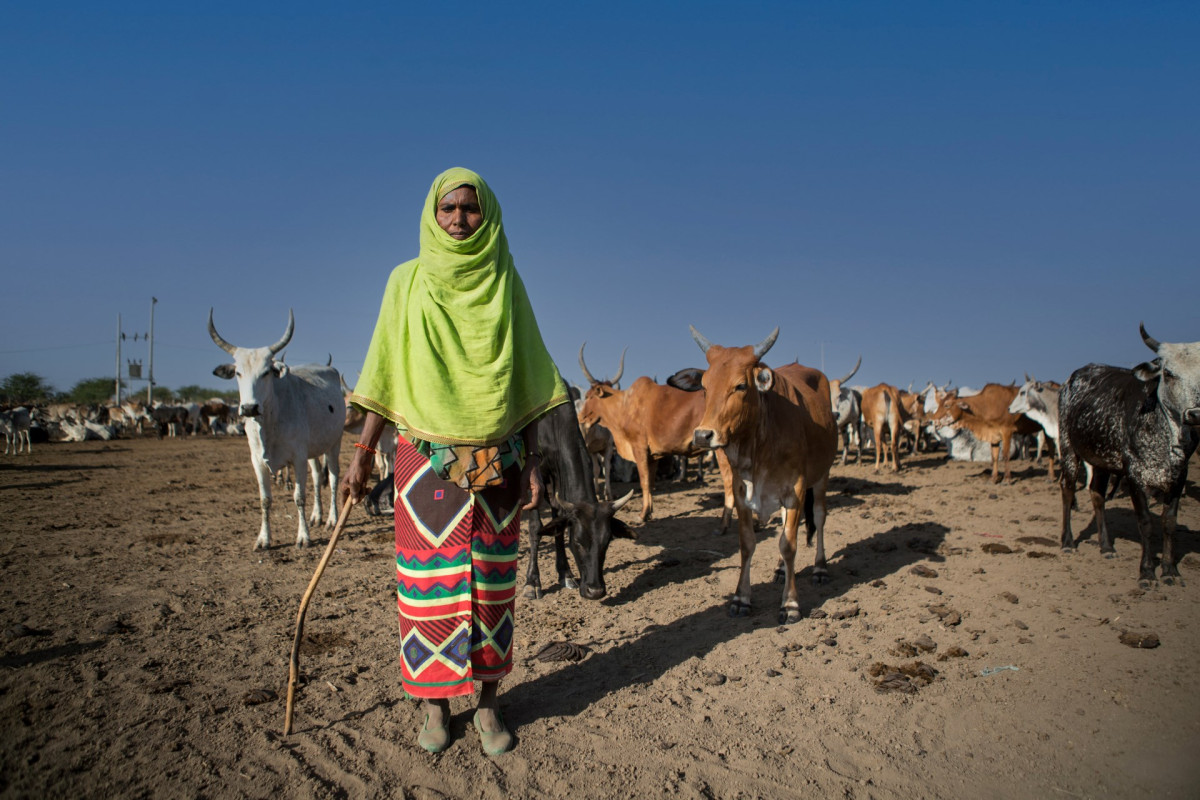
Over the years, Ethiopia’s authorities have collected and mapped data on the country’s soils. This kind of data can give valuable insights into soil health and support effective decision-making in agriculture, ultimately benefitting farmers. In 2018, it became clear that the expected benefits of data collection were not being fully realized. A key hurdle was a lack of national-level policy detailing the terms under which data could be shared. Informal connections were being made between departments and individuals, but more formal ways to share data were unclear.
A group of soil data experts in Ethiopia’s research community recognized this issue. They came together as a ‘coalition of the willing’ and formed a basis for national soil data sharing. They raised the issue with donors, and through them, CABI was invited to facilitate the creation of a soil data sharing policy directive. CABI brought together a wide range of stakeholders to review the challenges preventing effective data sharing and find a lasting solution. Challenges included low capacity and a lack of data sharing skills. CABI used the FAIR framework as a tool upon which to build the directive, helping to make data findable, accessible, interoperable and reusable.
CABI’s work focused on facilitation and following best practices in data sharing. From the bottom up, the team-built consensus and identified the processes and resources needed to plug data-sharing awareness and skill gaps. They promoted the adoption of good policies countrywide. Other departments started to adopt FAIR practices and the benefits spilt over. The initiative gave decision-makers the practical tools they needed to implement better data management. Through this work, the project ignited a culture change around agricultural data sharing in Ethiopia. In 2023, the Ministry of Justice ratified the Ministry of Agriculture directive into law, opening the gates to the publication of the National Soil Information System of Ethiopia (NSIS).
Expertise
CABI has developed a number of core skills which will ensure it achieves its strategic goals.
Focus
CABI's strategic goals.
Countries
Our work is delivered through dedicated teams and key partners in over 40 countries across the world.
Sustainable Development Goals
Helping small-scale farmers improve their livelihoods by providing knowledge about plant health and access to markets.
Developing a sustainable food system that helps smallholders meet the world's growing need for food.
Helping grow more from less land by introducing higher-yielding and environmentally responsible food production techniques.
Helping agricultural sector to supply sufficient, safe and nutritious food, embedded in a healthy and climate resilient landscape
Protect, restore and promote sustainable use of terrestrial ecosystems, combat land degradation and halt biodiversity loss.
Organizations must develop and enhance partnerships to find the best and most sustainable solutions to the world's challenges.
Related News & Blogs
CABI launches framework for sustainable national soil information systems at Africa Food Systems Forum
CABI recently launched an innovative new online platform which showcases a framework for sustainable national soil information systems (SISs).
Related projects
Enabling FAIR data sharing and responsible data use
This project focuses on enabling FAIR data across agricultural development investments by turning principles into practice. CABI supports partners to make data more findable, accessible, interoperable and reusable through measurable FAIR assessments, domain-specific guidance and trusted data access frameworks. By embedding governance into programme design and funding decisions, and clarifying what “AI-ready” data requires, the project strengthens data ecosystems, improving data reuse, reducing duplication and increasing the value of development investments.
Start: 05/08/2025 End: 24/08/2027