Biological control of tree of heaven
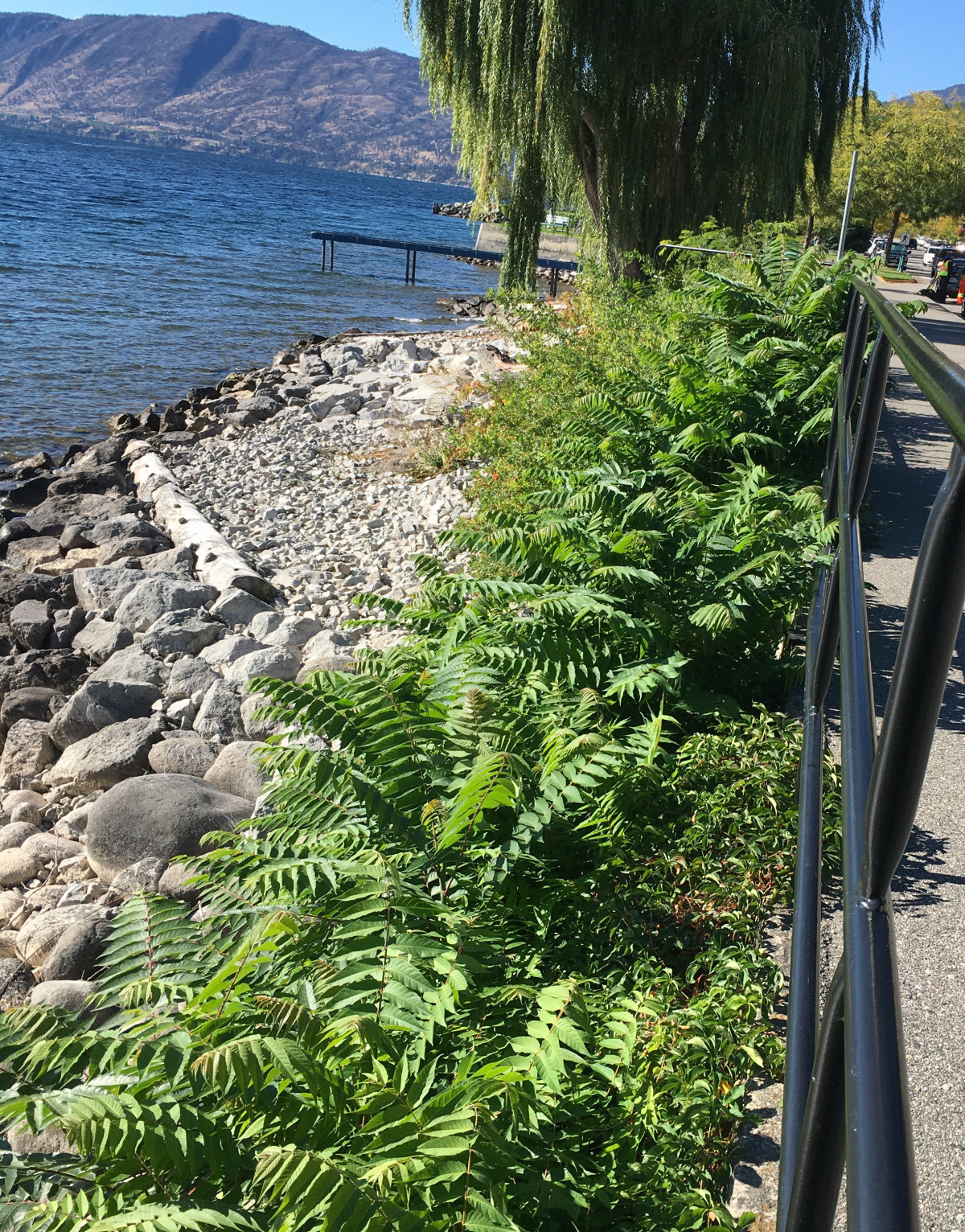
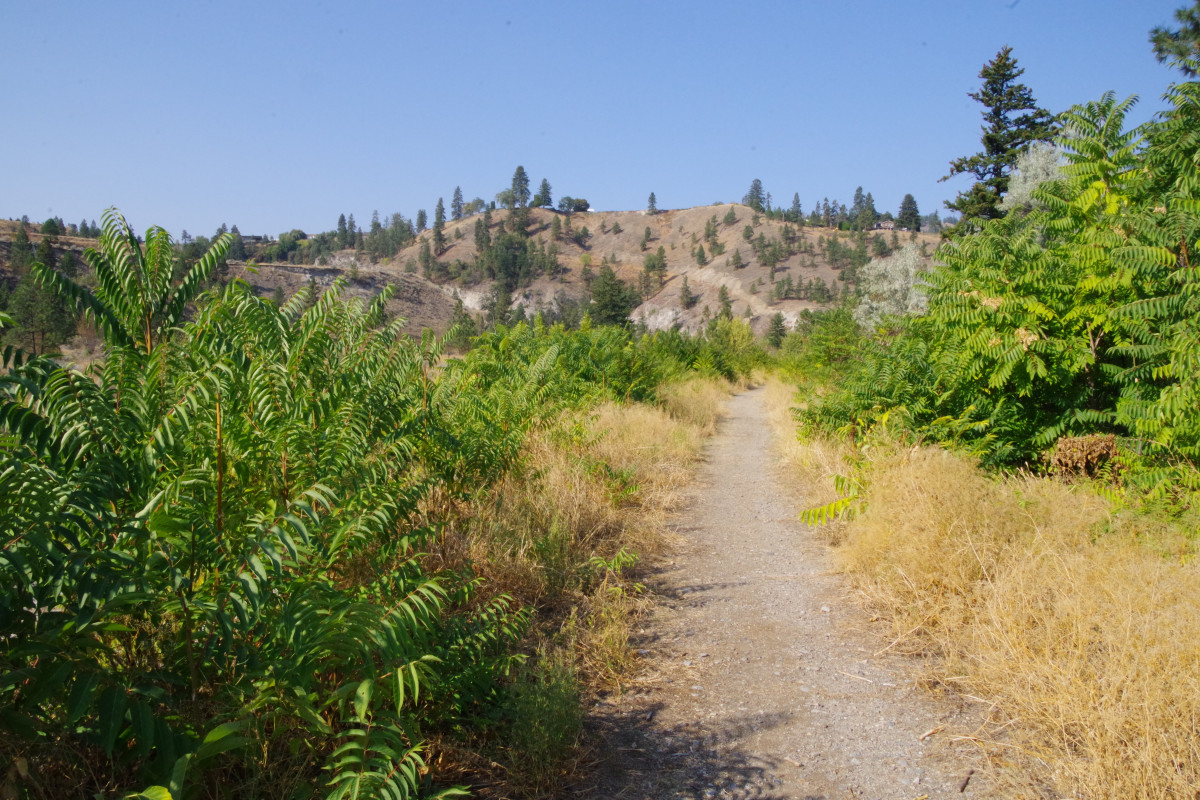
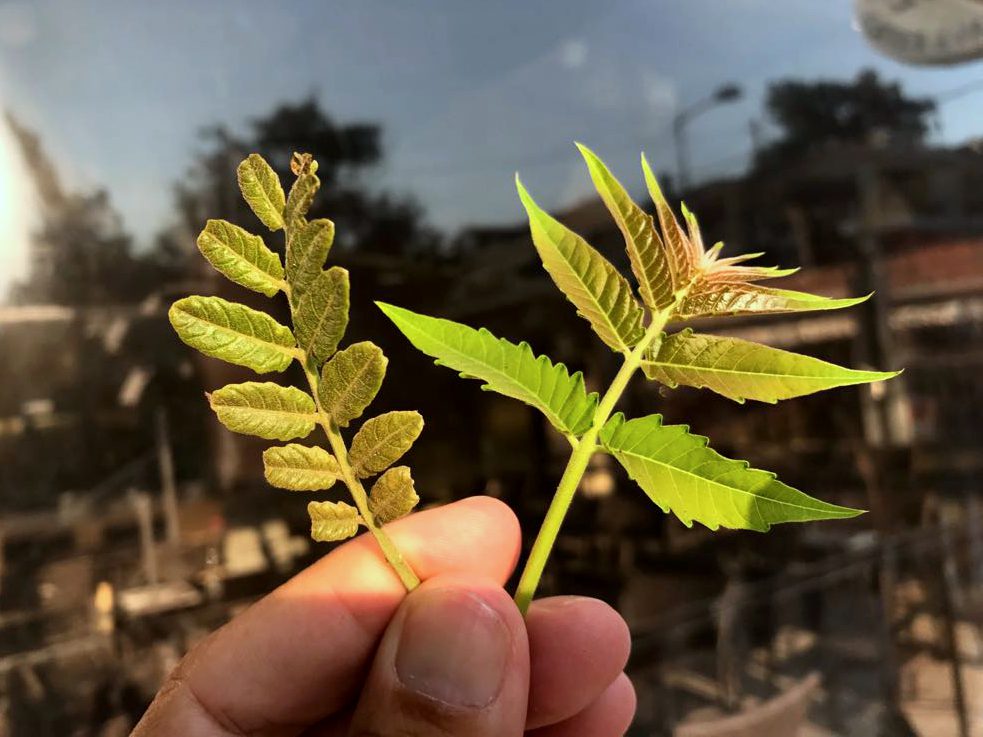
Tree of heaven, Ailanthus altissima, is a deciduous tree native to north-east and central China and Taiwan. It was brought to Europe and North America as an ornamental, but became invasive and is now an invasive species of concern in many countries, including Canada and the USA. Once established, tree of heaven is difficult to control, with mechanical and chemical options being limited and expensive. Since 2020, CABI has been working with partners to coordinate options for biological control of tree of heaven in Canada and the western USA.
Project Overview
So, what’s the problem
Tree of heaven, Ailanthus altissima, was first introduced into North America in 1784 and was widely planted in urban centres in the mid-1800s; it is now found across most of the USA and adjacent areas of Canada and Mexico.
Once established, tree of heaven is difficult to control and outcompetes native vegetation important for ecosystem functioning and wildlife habitat. Its roots can damage infrastructures like sewers, foundations, railways, roads, and sidewalks. Its pollen also has health concerns – in some people it causes allergic reactions and exposure to sap or plant parts can cause skin irritation.
In addition, tree of heaven hosts several invasive insect pest species, including the brown marmorated stink bug (Halyomorpha halys) and the spotted lanternfly (Lycorma delicatula).
Chemical and mechanical control of tree of heaven are expensive and difficult to implement, therefore biological control may offer a sustainable alternative.
What is this project doing?
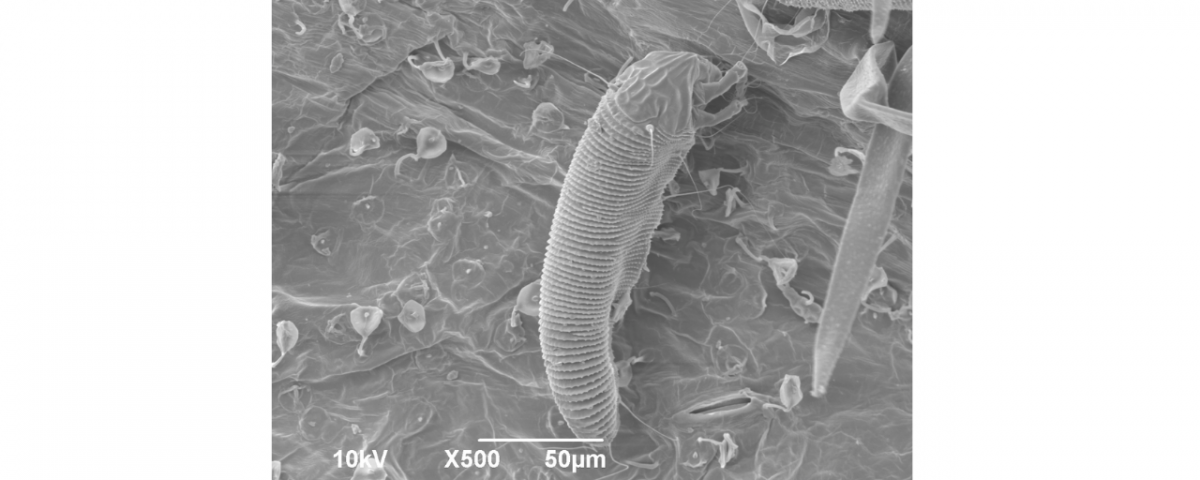
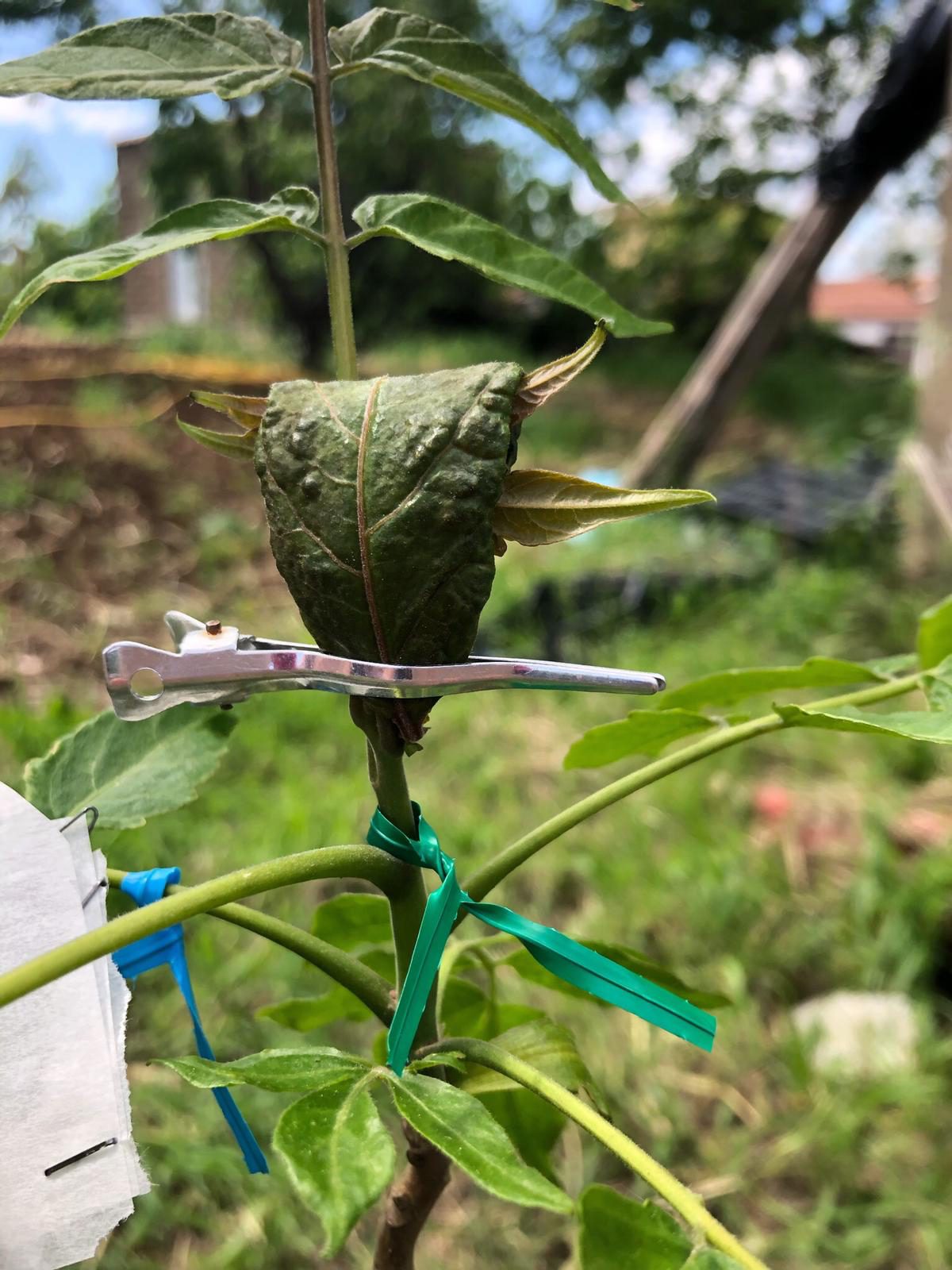
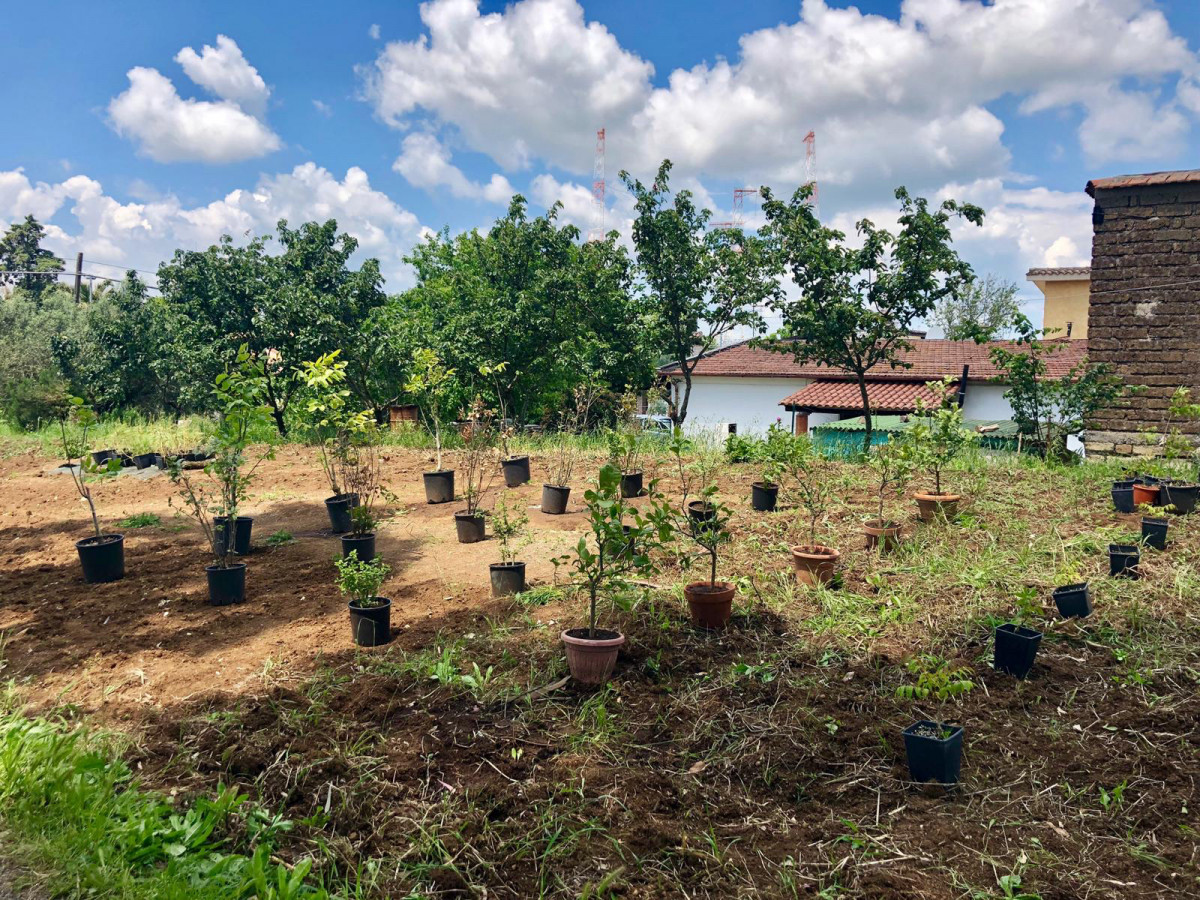
Since 2020, we have been working with the Biotechnology and Biological Control Agency (BBCA) in Italy on one potential biological control agent for tree of heaven, the eriophyid mite, Aculus taihangensis, which was initially identified as Aculus mosoniensis. Originally from China, A. taihangensis has also been found in several European countries since 2013. Since 2016, observations on its biology, impact and host specificity are being carried out by BBCA in Rome, Italy and since 2022 the testing focused on species native or of economic value to North America.
Results
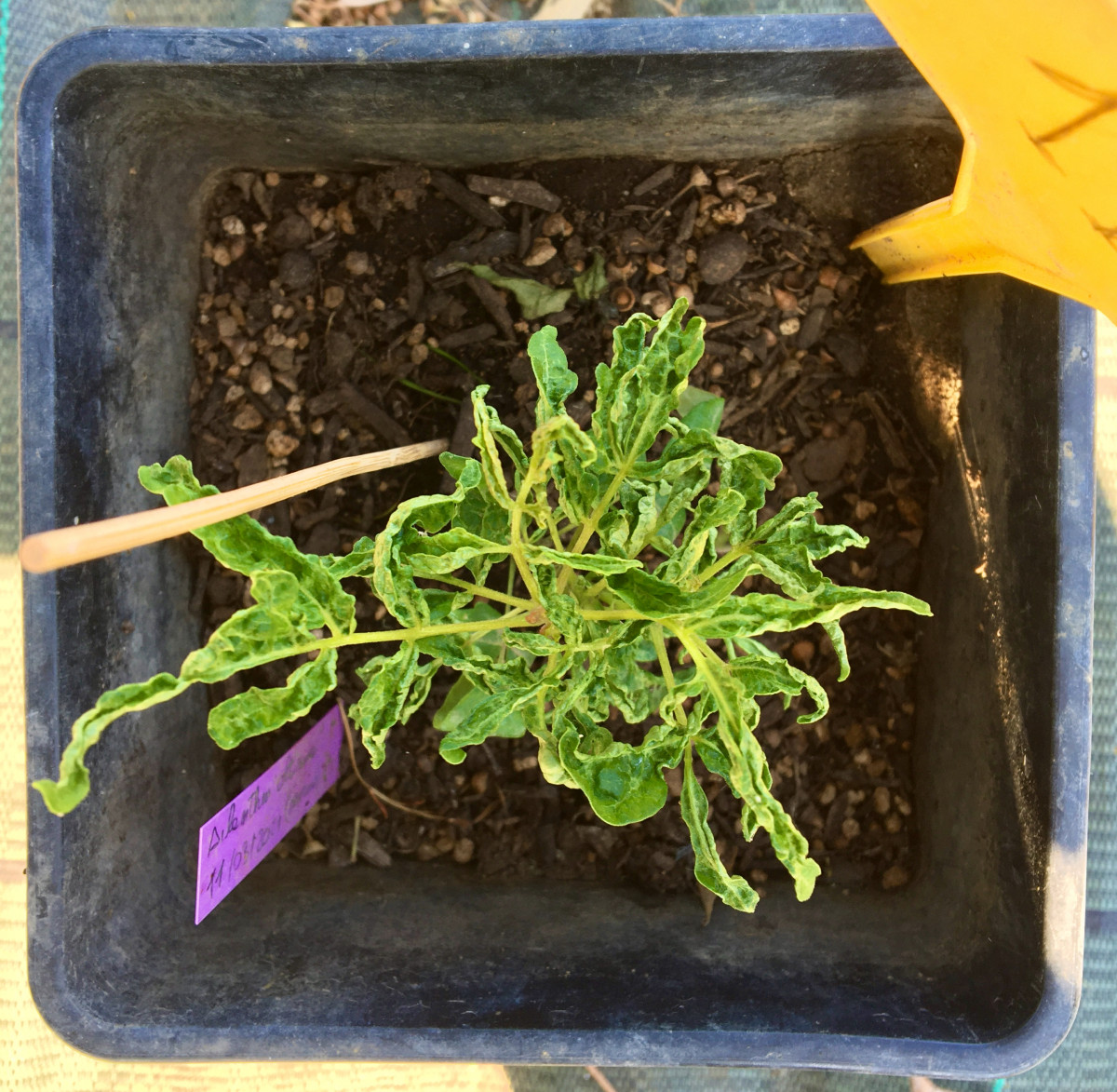
Impact studies and field observations indicate that Aculus taihangensis can cause severe damage to tree of heaven seedlings and impacts new growth in early spring.
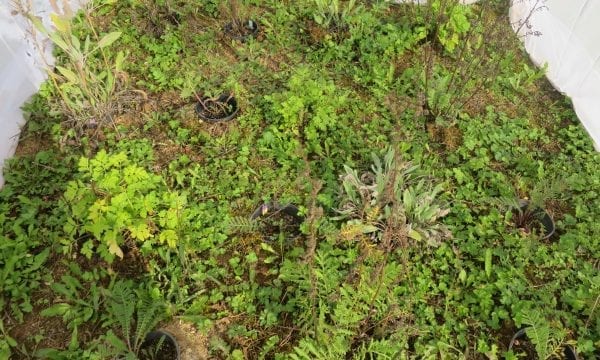
In host-specificity tests conducted at BBCA in Rome, Italy, no or only very few mites were found on the tested species. While the tree of heaven plants that were exposed as controls were often highly damaged by the mites, none of the non-target species showed any symptoms caused by the mites.
These are very promising results, and we conclude that this species is sufficiently host-specific and damaging to be used as a biocontrol agent for tree of heaven in Canada. Together with BBCA and our Canadian collaborators, we have therefore started preparing the petition for its release in Canada.
Project Manager

Sonja Stutz
Research Scientist, Weed Biological Control
Rue des Grillons 1 CH-2800 Delémont, Switzerland