
Pest preparedness safeguards coconut production
Summary
The coconut hispine beetle threatens coconut production and farmer livelihoods in Bangladesh and beyond. CABI is supporting the country’s government with pest preparedness, including risk analysis and surveillance. These proactive, science-based interventions help to keep the beetle at bay, strengthening early detection and safeguarding the country’s coconut industry.
The story
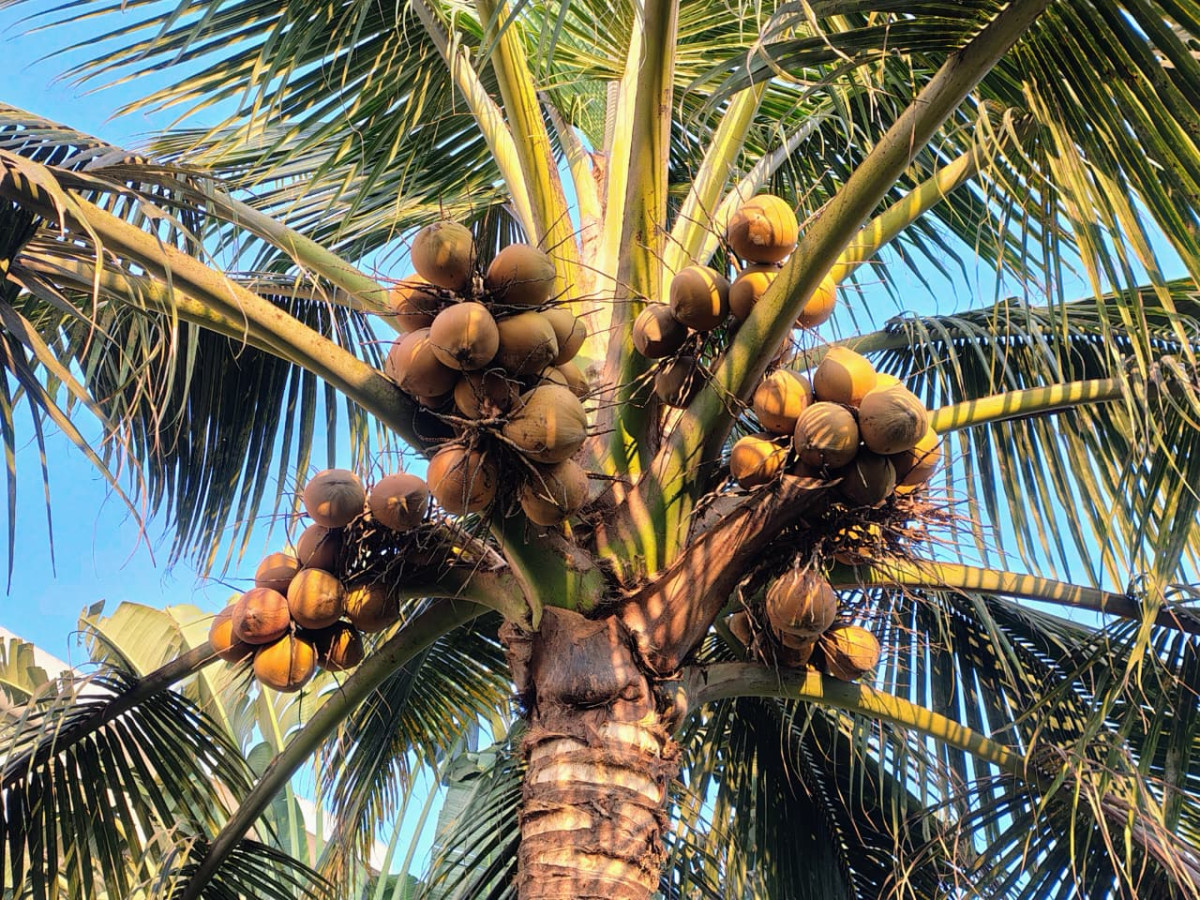
The coconut hispine beetle (Brontispa longissima) poses a major threat to coconut palm production in South and Southeast Asia. In Bangladesh, the beetle’s potential entry represents a serious threat to farmers’ livelihoods and trade. The country is the twelfth largest producer of coconuts worldwide. Neighbouring countries have already reported dramatic losses of up to 50-70% where the pest has become established. While the beetle has not yet been detected in Bangladesh, the dynamics of global trade and climate change make its introduction increasingly likely.
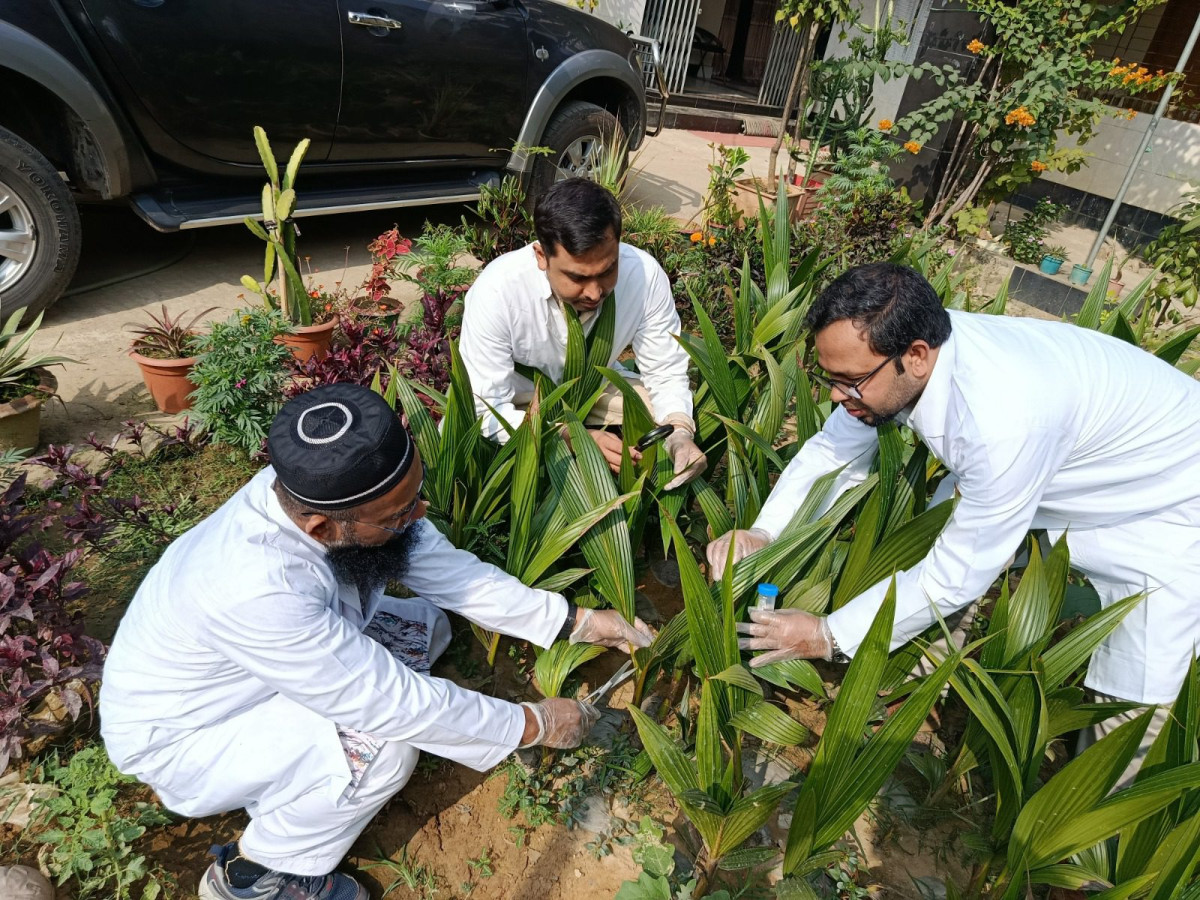
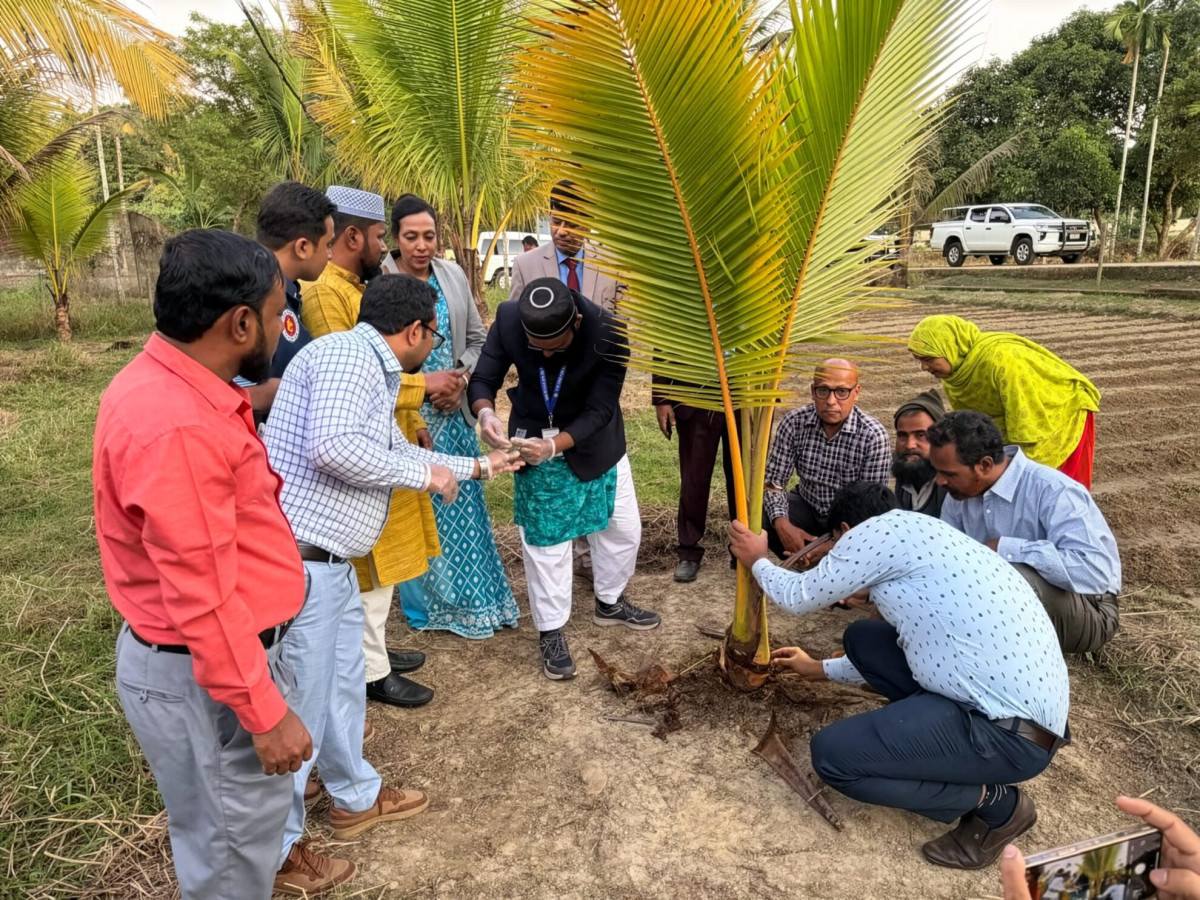
To prevent the pest’s invasion, CABI helped Bangladesh’s National Plant Protection Organization to take structured pest‑preparedness action. This included horizon scanning and the creation of a pest risk register, which flagged the beetle as a high‑priority threat. A comprehensive Pest Risk Analysis (PRA) evaluated the probability of entry, establishment and spread.
The PRA found the risk to be high, with potential economic and ecological threats. Mitigation measures were mapped out. They included quarantine and regulatory controls for imports of coconut and plant materials. The government introduced baggage checks and border inspections. Communication campaigns targeted growers, extension agents and quarantine officials, with continuous surveillance across borders remaining in place.
Today, because of this proactive, science‑based strategy, Bangladesh knows it remains free of this coconut pest. The campaign demonstrates how pest preparedness can prevent invasive species from establishing and protect vital commodity sectors. The country now has effective mechanisms in place to detect pest threats early on and implement a rapid response. Systems strengthen the country’s capacity to defend its coconut industry and safeguard its broader agricultural sector. The work shows how horizon scanning, risk analysis and robust biosecurity can avert threats before they turn into major losses.
Expertise
CABI has developed a number of core skills which will ensure it achieves its strategic goals.
Focus
CABI's strategic goals.
Countries
Our work is delivered through dedicated teams and key partners in over 40 countries across the world.
Sustainable Development Goals
Helping small-scale farmers improve their livelihoods by providing knowledge about plant health and access to markets.
Developing a sustainable food system that helps smallholders meet the world's growing need for food.
Helping agricultural sector to supply sufficient, safe and nutritious food, embedded in a healthy and climate resilient landscape
Protect, restore and promote sustainable use of terrestrial ecosystems, combat land degradation and halt biodiversity loss.
Organizations must develop and enhance partnerships to find the best and most sustainable solutions to the world's challenges.
Related projects
PlantwisePlus
Farmers’ crops are increasingly at the mercy of climate change, pests and diseases. PlantwisePlus will work to help countries predict, prepare for and prevent potential threats and reduce crop losses. We will provide comprehensive support to countries and farmers so they meet the increasing global demand for quality food in a changing climate.
Start: 01/07/2021