
Restoring the land through collective action
Summary
Through a CABI-led initiative, Maasai communities in northern Tanzania are reclaiming grazing lands overtaken by invasive prosopis. Using an integrated landscape management approach, they are restoring pastureland. Local people are now sustaining the work themselves, strengthening long-term land management, protecting their livelihoods, and safeguarding their communities’ futures.
The story
For generations, the plains around Lake Natron in northern Tanzania have been home to Maasai pastoralists, but a silent invader is threatening their way of life. A fast-growing, invasive tree, Prosopis juliflora, has aggressively taken over the landscape, stealing valuable grazing land from nomadic herders. Impenetrable thickets block seasonal corridors to pastures, and Maasai women who gather water must take more dangerous routes to sources. The trees’ piercing spines injure livestock and create a living trade barrier, preventing herders from reaching markets.
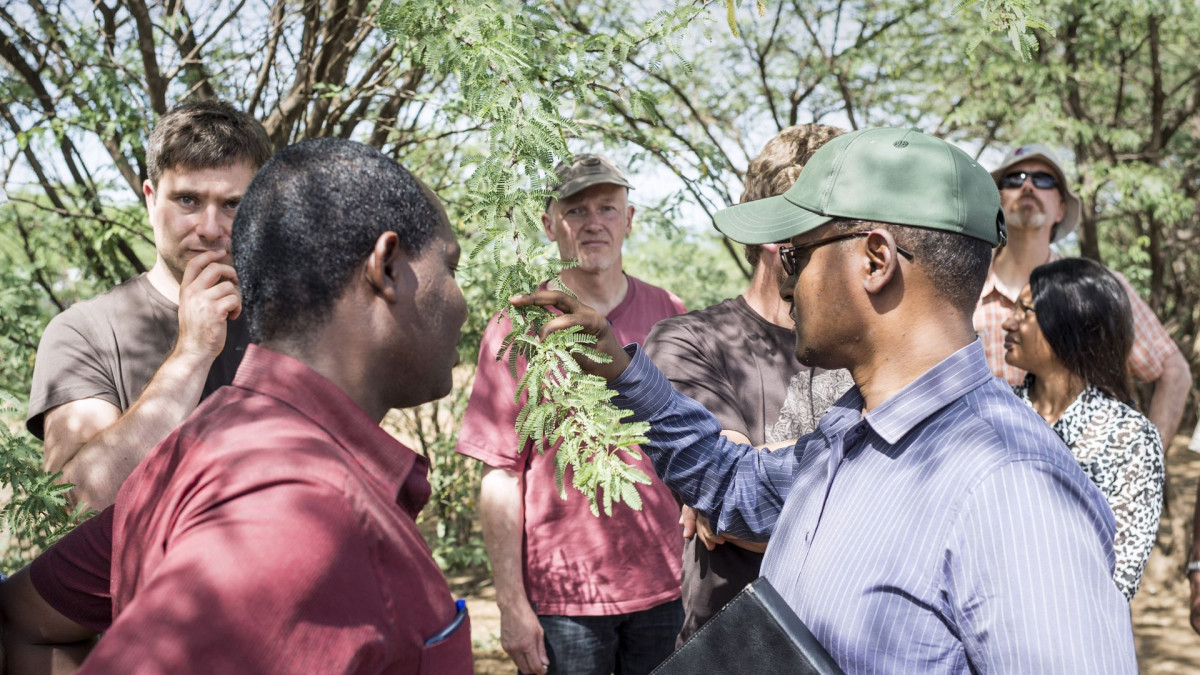
Through a Darwin-funded initiative, CABI has been working with partners to help local communities take back control of their land. By implementing an integrated landscape management approach, actions have been coordinated across diverse sectors and stakeholders in the region. The initiative has trained local people to cut and uproot stumps or burn them to prevent regrowth. Work began with a simple, yet powerful exchange visit to Kahe in the Moshi District, an area infested with prosopis.
The training and community exchanges have paid dividends, spurring groups to unite and remove trees. Peer-to-peer learning has been more motivating than any presentation or report. Nomadic livestock herders now uproot the smallest prosopis plants they find, ensuring the species is controlled before it establishes itself.
The community’s response has been nothing short of remarkable. Locals have taken full ownership of the problem, pooling their own resources to sustain the work. In Wosi-Wosi, local herders contributed goats worth over USD $1,200 to feed workers. This level of commitment shows they recognize the threat as a shared problem and are willing to take collective action to protect their future.
Expertise
CABI has developed a number of core skills which will ensure it achieves its strategic goals.
Crop health
Development communication and extension
Invasive species
Focus
CABI's strategic goals.
Sustainable Development Goals

Helping small-scale farmers improve their livelihoods by providing knowledge about plant health and access to markets.

Developing a sustainable food system that helps smallholders meet the world's growing need for food.

Helping grow more from less land by introducing higher-yielding and environmentally responsible food production techniques.
Protect, restore and promote sustainable use of terrestrial ecosystems, combat land degradation and halt biodiversity loss.

Organizations must develop and enhance partnerships to find the best and most sustainable solutions to the world's challenges.
Donors