
Natural pest control enhances rural livelihoods
Summary
From Kenya’s papaya fields to its rangelands and conservation areas, non-native invasive species threaten crops and ecosystems alike. Using natural enemies like parasitic wasps and cochineal insects, CABI is using biocontrol to offer natured-based solutions to manage these pests. Successes in the field show biocontrol can safeguard harvests, restore biodiversity, and enhance rural livelihoods.
The story
Across the world, ecosystems are increasingly under pressure from invasive species. These non-native organisms, which include plants, are moved from one part of the world to another without their natural enemies, where they then spread and thrive. They damage crops, threaten ecosystems and livelihoods, and cost the global economy billions of dollars each year. Chemical inputs can help, but they can also harm humans, animals, and the environment. However, nature offers another approach – biocontrol.
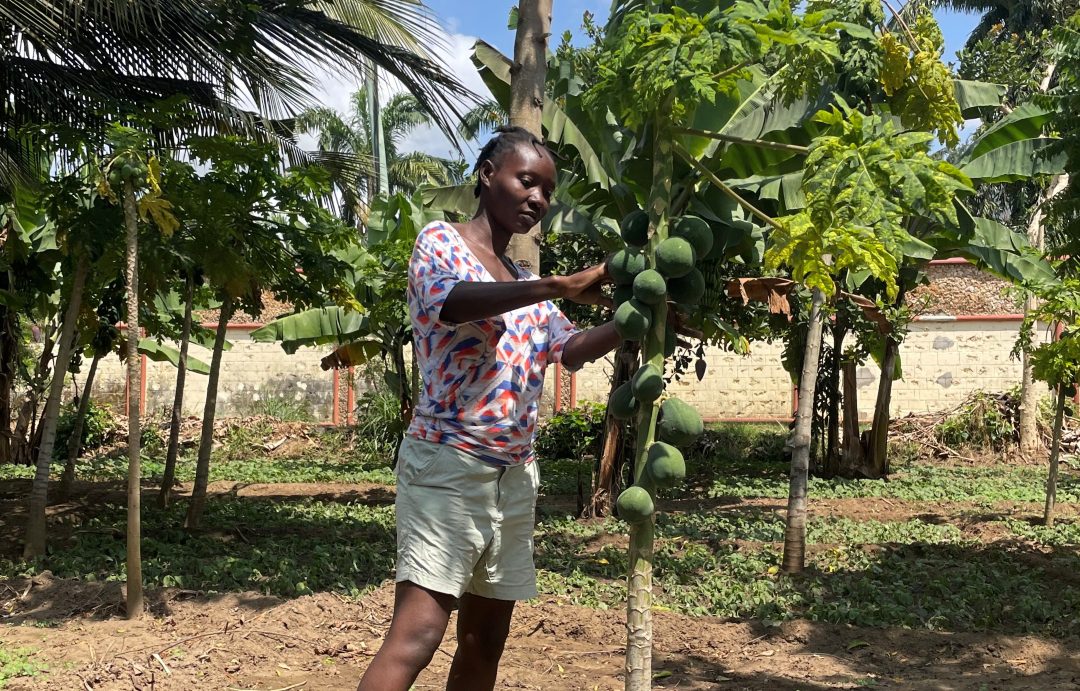
In 2016, in the coastal counties of Kenya, papaya mealybug invaded, causing yield losses of up to 100%, leading most farmers to abandon papaya cultivation. However, the introduction of a beneficial parasitic wasp has successfully controlled the spread of mealybugs, protecting papaya crops. Within the first two years of its release, the wasp reduced the bug by up to 76%. As a result, the average papaya harvest doubled, leading to a 50% income increase for farmers. Such outcomes underscore the economic and food security benefits of biocontrol.
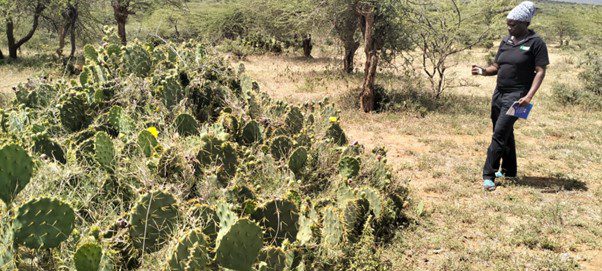
In the heart of Kenya’s Naibunga Community Conservancy, a growing ecological threat is taking root: Opuntia engelmannii. Working with the local community, CABI is applying its previous experience in managing non-native cacti using biocontrol, specifically the introduction of the sap-sucking insect commonly known as cochineal. Other cochineal species have proved effective against invasive cacti in the region, and their introduction to Naibunga is already showing early signs of promise.
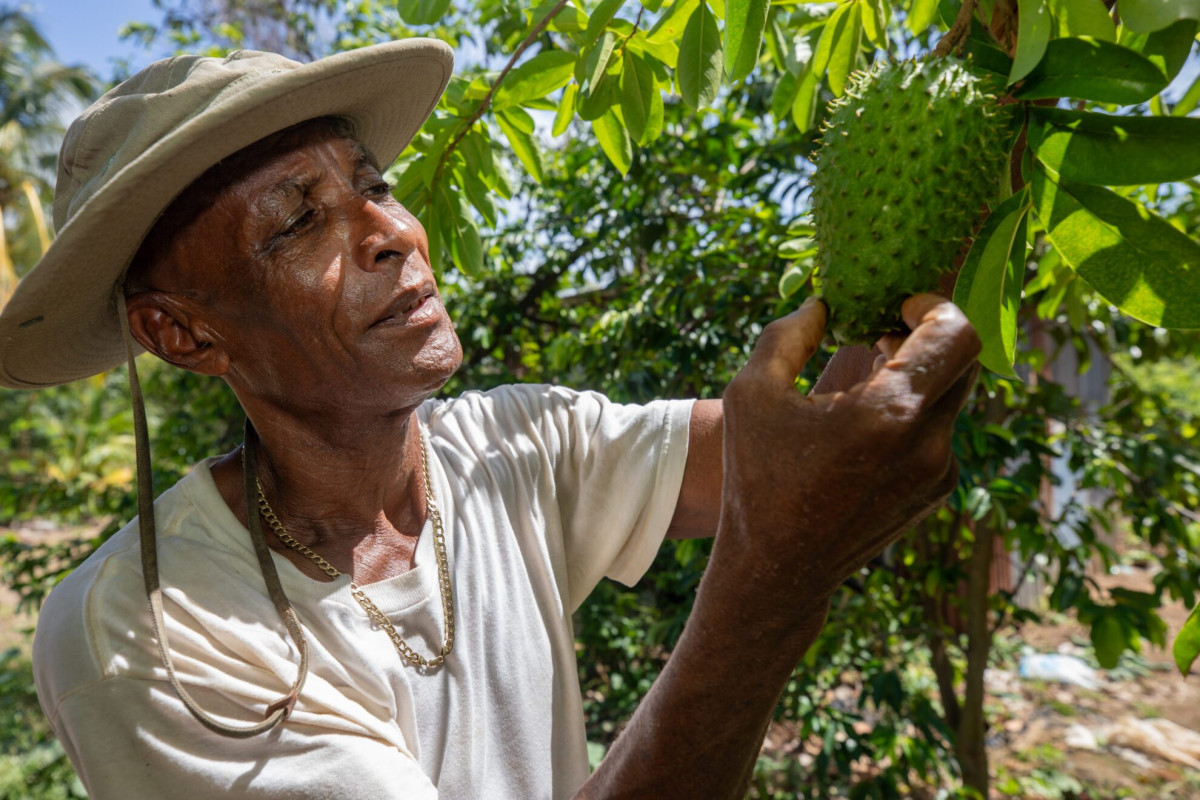
CABI is working worldwide to manage the spread of non-native invasive species using biocontrol. Last year, we partnered with Grenada to control Croton scale on local crops. We also collaborated with China and Malaysia to address a range of major regional crop pests and signed an MoU with Vietnam to strengthen the country’s pest management. These partnerships show how global cooperation can deliver resilient and sustainable solutions to protect rural communities.
Expertise
CABI has developed a number of core skills which will ensure it achieves its strategic goals.
Focus
CABI's strategic goals.
Sustainable Development Goals

Helping small-scale farmers improve their livelihoods by providing knowledge about plant health and access to markets.
Developing a sustainable food system that helps smallholders meet the world's growing need for food.
Helping grow more from less land by introducing higher-yielding and environmentally responsible food production techniques.
Protect, restore and promote sustainable use of terrestrial ecosystems, combat land degradation and halt biodiversity loss.
Organizations must develop and enhance partnerships to find the best and most sustainable solutions to the world's challenges.