
Turning education into enterprise
Summary
Many graduates struggle to turn education into work, but hands-on training can help. In Kenya, Mary Mueni turned her entrepreneurship degree into a successful agribusiness with the support of CABI and partners. Practical agribusiness skills transformed her into a confident entrepreneur, trainer and plant doctor, building her income and mentoring other young farmers.
The story
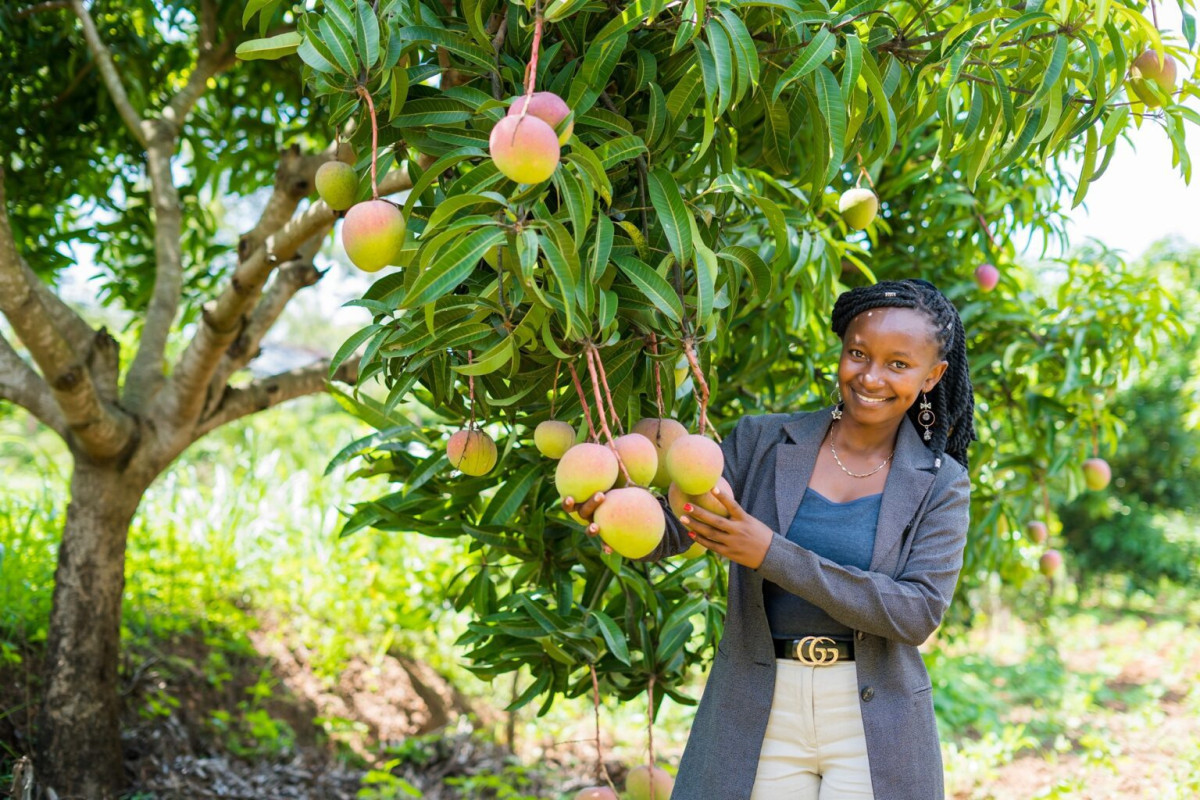
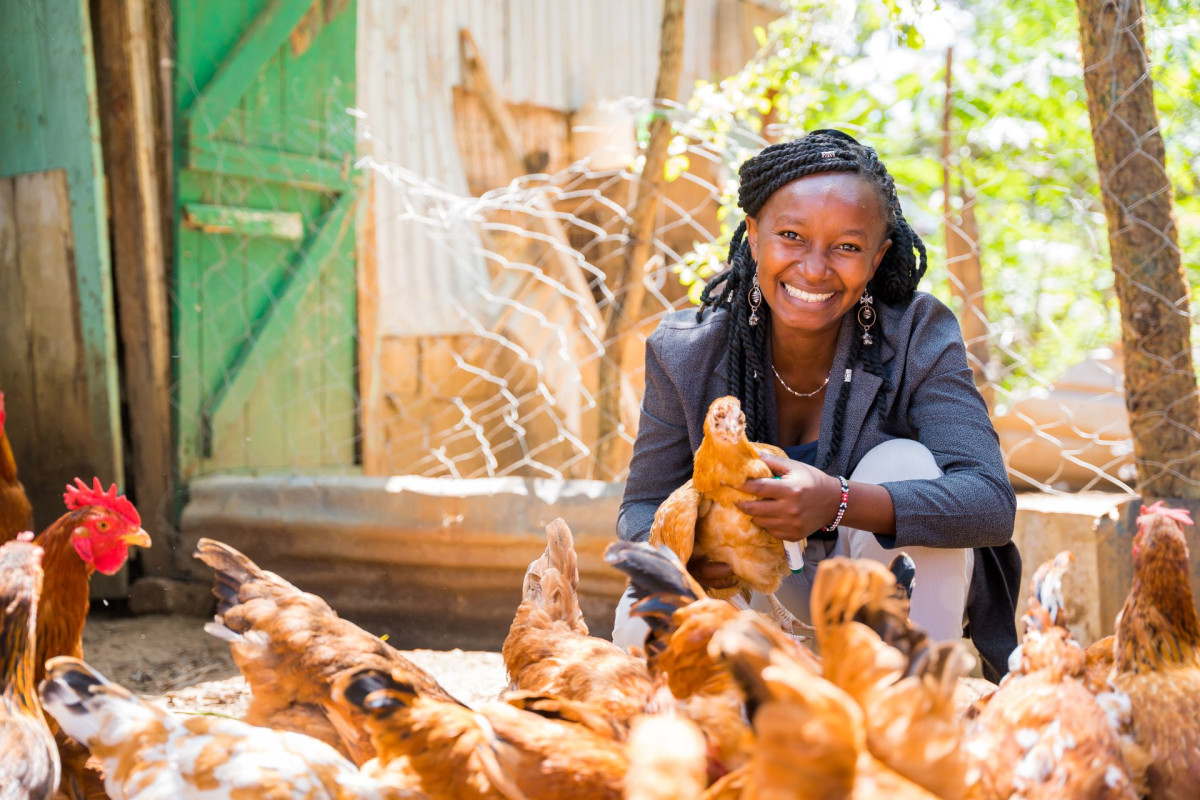
Qualifications do not always guarantee work, and many young people struggle to turn their education into an enterprise. Mary Mueni from Makueni County in Kenya faced this dilemma. She graduated with a degree in Entrepreneurship Management but struggled to get her chicken-rearing business off the ground.
“Opportunities felt distant, and I was beginning to lose hope,” she recalls. “I didn’t know about smart farming practices, sustainable income sources in agriculture, or how to position myself in the agribusiness world. I needed a breakthrough.”
That breakthrough came when KEITT Exporters, supported by CABI, selected Mary for a youth training initiative. The programme equips young people with the tools to turn agricultural activities into sustainable, income-generating ventures. In Mary’s own words, the training was “a game-changer” – practical and easy to understand.
She learned to identify market opportunities and develop strategies for running a viable agribusiness. Her training also covered core skills such as value proposition design, cost and revenue planning, risk assessment, and sustainability. Most importantly, it gave her the confidence to lead.
At just 24, Mary now wears many hats. She scaled her flock from 5 to 45 chickens and built a standalone micro-enterprise, selling chicken feed locally for extra income. She also mentors young farmers, helping them adopt innovative agricultural practices and build profitable businesses. Mary went on to train as a plant doctor, gaining hands-on skills in plant health, agribusiness planning, and business modelling.
“My life has completely transformed,” she says. “I started as a jobless graduate. Now I’m a confident trainer and mentor, helping others build a future in agriculture. The training gave me direction and purpose, not just to build a livelihood, but to lift others up with me.”
With access to knowledge, Mary shows how young people can empower themselves, transforming their futures.
Expertise
CABI has developed a number of core skills which will ensure it achieves its strategic goals.
Focus
CABI's strategic goals.
Countries
Our work is delivered through dedicated teams and key partners in over 40 countries across the world.
Sustainable Development Goals
Helping small-scale farmers improve their livelihoods by providing knowledge about plant health and access to markets.
Developing a sustainable food system that helps smallholders meet the world's growing need for food.
Support development and prosperity by seeking out, organizing and making evidence based knowledge with those that need it.
Empowering women and young people to play a more powerful role in the future of agriculture.
Organizations must develop and enhance partnerships to find the best and most sustainable solutions to the world's challenges.