Developing sustainable business models using Earth Observation for climate adaptation
Increasing climate-related risks, including extreme heat, drought and the high prevalence of pests and diseases, put agricultural and food systems under constant pressure. While new data and technologies, such as Earth Observation (EO), can help predict and prevent threats, it is not readily available. This project aims to close this gap by delivering a multi-service, multi-user platform that supports collaborative data sharing and applications. The system will help to meet the challenges of adaptive agriculture, integrating data sets that address the exposure, hazards and vulnerability of individual commodity supply chains to climate-driven risks. CABI will lead on developing sustainable business and governance models and a maize use case in Kenya that will help to understand user needs and challenges related to EO data and analytics.
Project Overview
So, what’s the problem
According to the International Panel on Climate Change, ‘the current food system feeds the majority of the world’s population and supports the livelihoods of over 1 billion people.’
However, the food production system and its interactions between climate, biodiversity and socio-economic factors are complex, with often competing priorities. Risks threatening crop production can be grouped:
Acute versus chronic climate impacts
- Acute impacts stem from extreme and short-term events e.g. drought, flooding, extreme temperature stress and fire
- Chronic impacts arise from long-term trends that affect the viability and productivity of current cultivars due to sustained exposure to specific biotic or abiotic stresses
Abiotic versus biotic risks
- Abiotic stress results from non-living environmental factors on living organisms, particularly plants e.g. drought, salinity, flooding, nutrient deficiencies
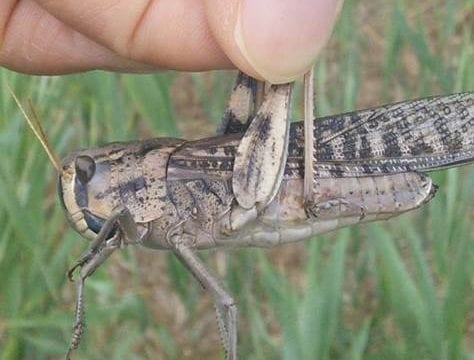
- Biotic stress is driven by interactions with other living organisms e.g. diseases, pest damage, competition from other species
The relationship between these risks is also complex and affects those in the supply chain differently. For example, rising temperatures can affect plant physiology, increase pest and disease prevalence and reduce farmers’ ability to work safely and productively, while droughts restrict water availability and reduce yields. Despite rising climate risks, access to timely, decision-ready information remains fragmented, underutilised and often disconnected from operational decision-making.
To adapt and remain resilient, planning should prioritise areas where climate risks are intensifying and impacts are most severe.
Earth Observation (EO) insights can guide actions, but data and insights often fail to reach the people who can benefit most, nor are they integrated into decisions.
This project seeks to overcome the “Last KM” challenge of accessing actionable EO-derived insights. It will support a sustainable transition towards agriculture that adapts to climate change risks, while addressing the financial and institutional barriers that prevent services delivering EO-derived data to decision makers from being sustained at scale.
What is this project doing?
The project (Adaptive Agriculture Information Factory (ADAPTA-IF)) brings together a consortium with complementary technical, market and policy expertise to design, implement, validate and scale an Information Factory (IF)* concept for adaptive agriculture.
This IF will function as a digital Decision Support System that acts as a knowledge base platform, presenting data from diverse sources, EO and non-EO, scientific literature, historical trends, and archive datasets, to generate usable services for climate adaptation.
The project aims to bridge the gap in information across EO data and service providers and agricultural stakeholders who would benefit from using this technology. Use cases will be developed with:
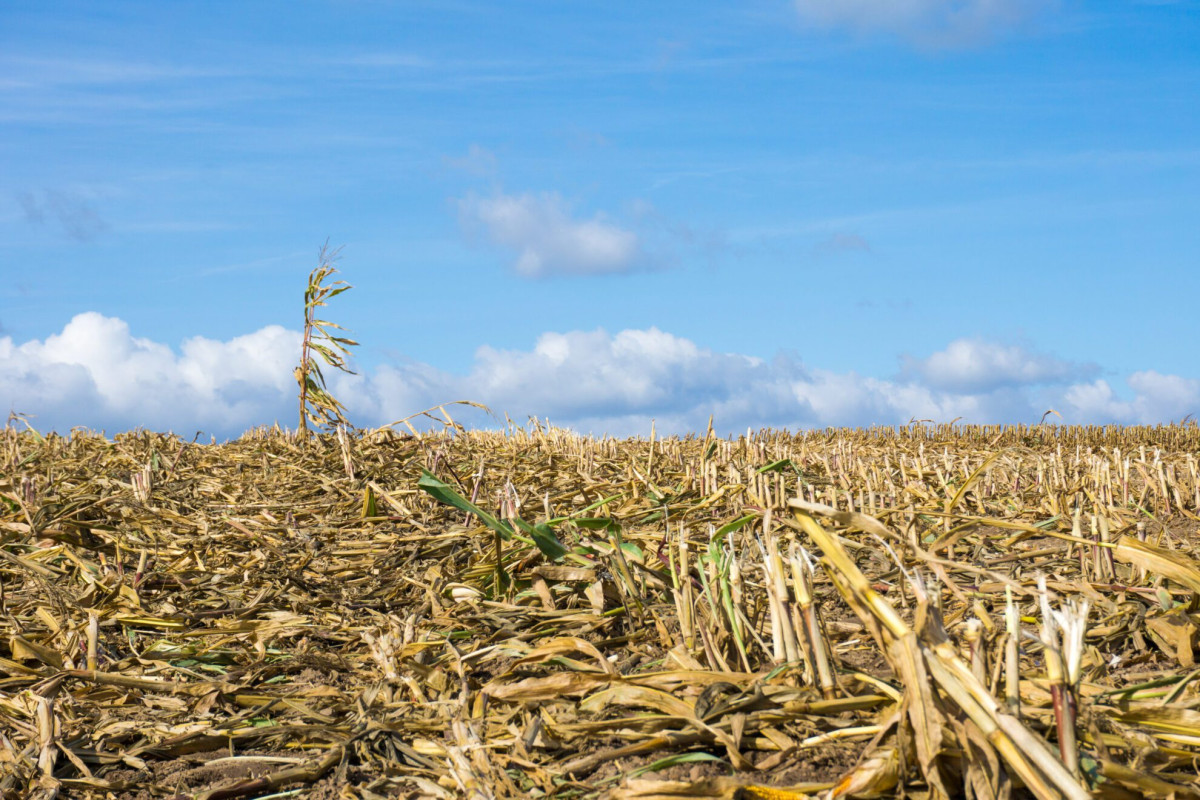
- Maize – Kenya: government-led services and farmers
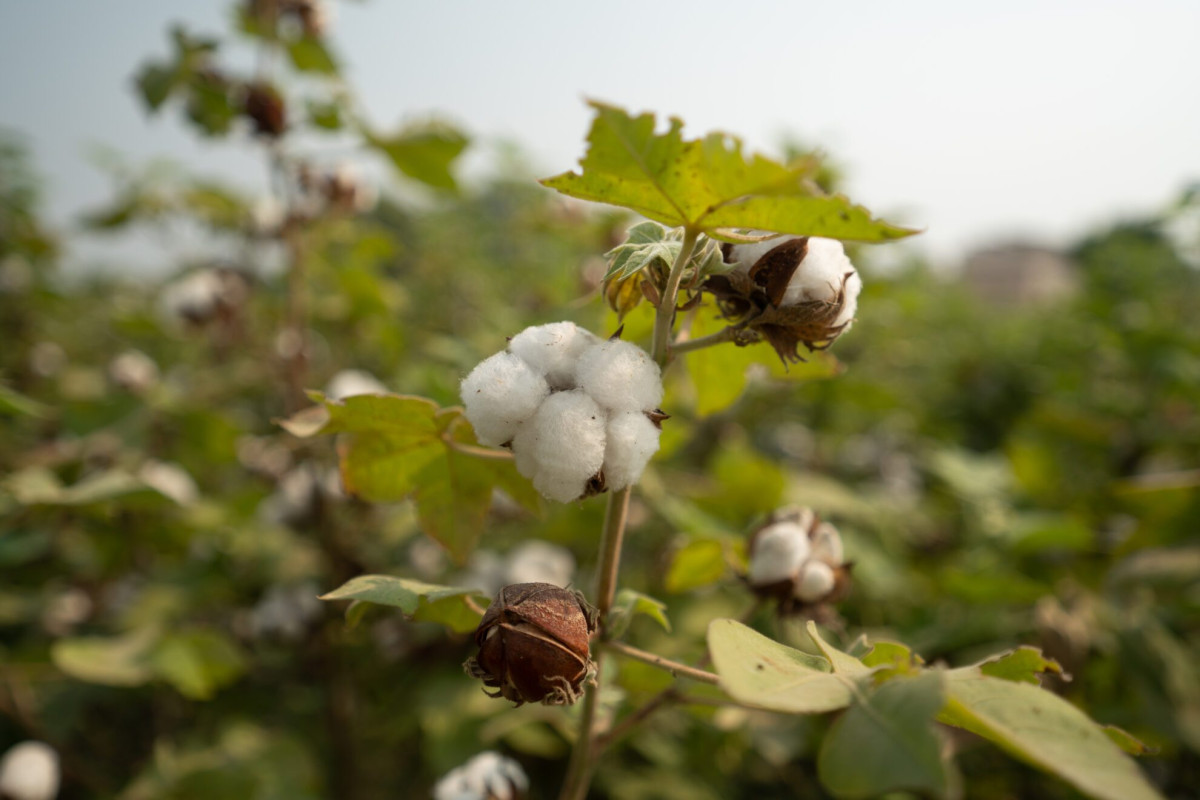
- Cotton – India: value-chain-led services
- Olives – Cyprus: farmer or cooperative-led services
A major focus is on creating sustainable business and governance models to ensure that these services are financially viable, scalable and embedded within real-world agricultural value chains beyond the project.
CABI will be an Anchor Stakeholder, capitalising on our global reach, agricultural knowledge, pest risk management, pest modelling and crop loss assessment to:
- Collate a wide range of existing data, models and outputs; leveraging these to address specific needs through the provision of a new service
- Develop a sustainable business case and governance models to help ensure that services progress, remain operational, are commercially viable, and are embedded within agricultural value chains
- Ensure technical viability and co-creation by bridging the gap between technology and stakeholders, leading on the maize use case in Kenya to understand specific user needs and challenges that can be addressed using EO data and analytics.
*An Information Factory (IF) is defined as ‘an ecosystem of scalable and cost-efficient cloud capabilities, services and tools, empowering a network of users and partners with advanced digital technology, innovative business models and scaling mechanisms to address end-user needs and increase the use of EO products and solutions in their operational processes.’
Project Manager