Melanie Bateman
Global Lead Synthetic Pesticides
Rue des Grillons 1 CH-2800 Delémont, Switzerland
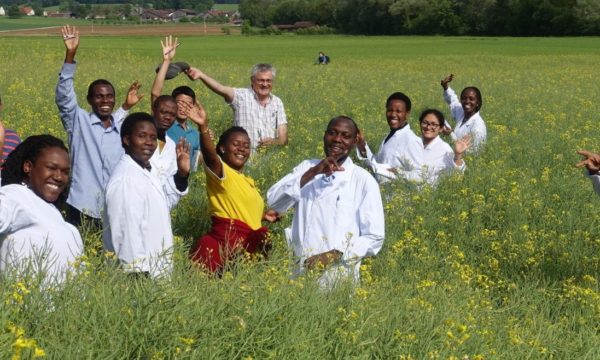
CABI centre: Switzerland
CABI’s centre in Switzerland carries out applied scientific research and undertakes development and advisory projects. Located in Delémont in the Canton of Jura, it is the home for experts and students from several different countries where they research and apply their knowledge.
Related projects
Establishing a digital plant health service in Malawi
Pests and diseases contribute to 40% of food loss leading to food insecurity. Synthetic pesticides are the predominant control method but these are associated with negative environmental and health concerns. The extensive use of chemicals has sparked a renewed interest in Integrated Pest Management (IPM) – an effective combination of control methods and the need for new innovative ways to manage pest and disease outbreaks. There are many digital systems that have been developed to identify, monitor, manage, control and predict outbreaks of a large number of pest and disease species. These systems provide useful information to aid decision-making and timing of integrated pest management strategies. By building on the successes of existing systems and data assets, this project aims to establish a digital agricultural plant health service for efficient pest and disease management in Malawi that will benefit over 100,000 farmers.
Start: 01/06/22 -End: 30/06/27
GIZ Crop Protection Baseline Study
Pests and diseases often limit how much smallholder famers can produce. They affect crops both pre and post-harvest by reducing their value or making them unsafe for human consumption. Farmers try to reduce losses through a range of techniques, some of which have human or environmental health impacts. This project aims to understand and report on current crop protection practices and identify the most effective, safe and innovative options to integrate into GIZs programmes in 14 countries.
Start: 11/07/17 -End: 30/11/18