
Science-led biocontrol is helping to restore Europe’s waterbodies
Summary
Across Europe, invasive aquatic plants damage waterbodies. Chemical and mechanical control can be costly and harmful. CABI scientists have developed biocontrol solutions, releasing specialist natural enemies to target Hydrocotyle and Crassula exotic weeds. UK trials show early success of ecosystems recovering, with cross-border partnerships now expanding releases in the Netherlands.
The story
Across Europe, invasive plants are overrunning delicate ecosystems, including waterbodies. Here, they are particularly difficult to control. Conventional management methods, including chemical herbicides and mechanical removal, are costly. Moreover, they can harm the wider environment and even worsen the spread of invasive plants. Science can provide nature-based, sustainable solutions – a much-needed alternative approach to chemical and manual control.
CABI scientists have led the development of biocontrol to tackle two of the most damaging aquatic weeds: floating pennywort (Hydrocotyle ranunculoides) and Australian swamp stonecrop (Crassula helmsii). Biocontrol reduces reliance on chemicals. It also lowers costs and restores healthier waterbodies for people and biodiversity.
After years of research and rigorous testing to ensure only target species are affected, CABI scientists have confirmed two specialist natural enemies, the weevil Listronotus elongatus and the mite Aculus crassulae as effective and safe biocontrol agents for Hydrocotyle and Crassula respectively. Reared in controlled facilities and released at carefully selected sites, these tiny organisms affect only their target species, reducing their growth and ability to spread.
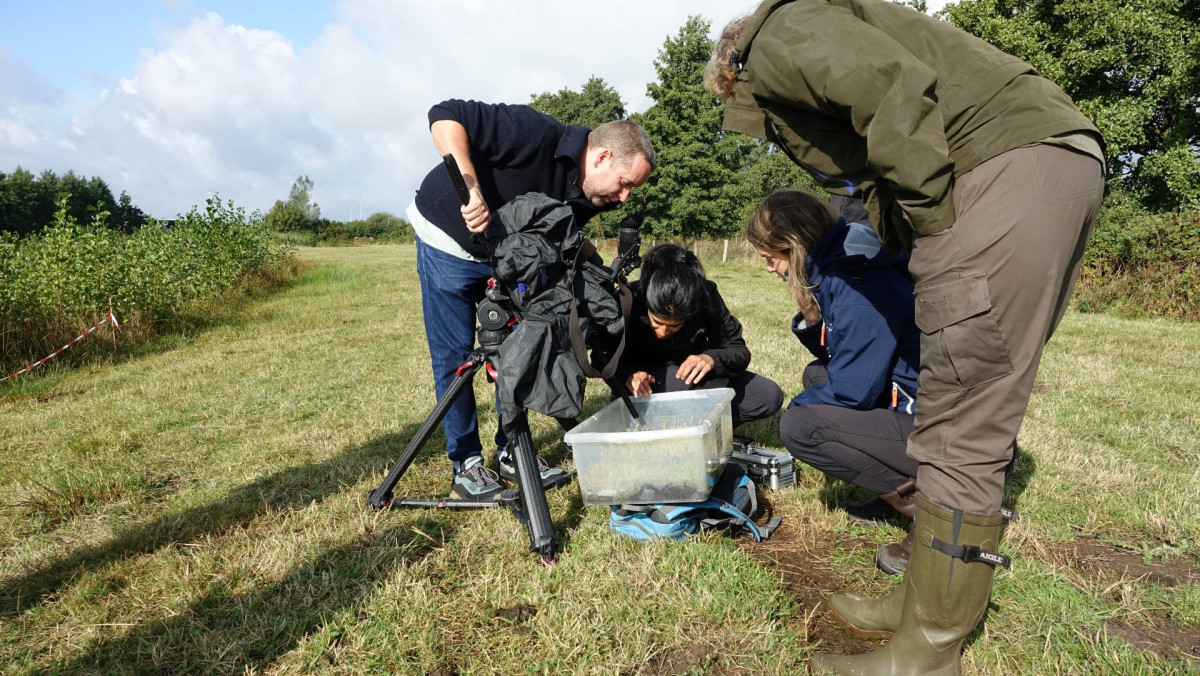
UK field trials have shown the biocontrol agents capable of successfully establishing and dispersing. Moreover, they significantly suppress the growth of invasive Hydrocotyle and Crassula, enabling native vegetation to recover. In 2025, building on this success, CABI supported the first-ever biocontrol releases of these agents in the Netherlands. Following regulatory approval, the organisms were reared in the UK and released in partnership with Dutch research institutes and water authorities.
Led by our UK centre, newly relocated to Imperial College’s Silwood Park, this cross-border collaboration harnesses shared scientific expertise. By working in partnership, coordinated results can deliver sustainable invasive species management.
Expertise
CABI has developed a number of core skills which will ensure it achieves its strategic goals.
Focus
CABI's strategic goals.
Countries
Our work is delivered through dedicated teams and key partners in over 40 countries across the world.
Sustainable Development Goals

Protect, restore and promote sustainable use of terrestrial ecosystems, combat land degradation and halt biodiversity loss.
Organizations must develop and enhance partnerships to find the best and most sustainable solutions to the world's challenges.
Related News & Blogs
Related projects
Finding a biocontrol agent for Crassula
Crassula helmsii is an invasive water weed that dominates still or slow-flowing water bodies. It’s spreading throughout the UK and has the potential to out-compete native flora and reduce oxygen levels by forming dense mats. Management of this species can be very challenging, with chemical and mechanical options limited. CABI were commissioned by the UK government to investigate the possibility of controlling the weed using biological control. This includes testing by our scientists to ensure that any potential agent is safe for release.
Start: 01/04/2011