
Fruits and Vegetables for Sustainable Healthy Diets – Expanded Network with UK Partners (FRESH-EN UP), a former UK-CGIAR Centre project, has had an article published in The Food and Nutrition Bulletin. The paper, A Comparative Analysis of Food Consumption Data From 24-h Dietary Recall and Household Consumption and Expenditure Surveys in Tanzania, examines how accurately household consumption surveys (HCES) measure dietary patterns compared with individual 24-hour dietary recalls. The analysis included 2599 adult women who completed surveys in Arusha and Kilimanjaro and 4469 households at the national level.
The researchers compared data from household food consumption surveys in Tanzania, including national survey data. They found that both methods identified similar dietary patterns, with diets dominated by staple cereals and low consumption of nutrient-rich foods, particularly fruit and animal-source foods. Household surveys were useful for capturing foods eaten occasionally, but they substantially underestimated energy intake—by as much as 42% in larger households—and showed weaker agreement for fruit and meat consumption.
The paper sheds light on how household consumption surveys can provide valuable, cost-effective information for nutrition policy, particularly where individual dietary data are unavailable. However, their limitations mean that estimates of food and nutrient intake must be interpreted carefully. Improving how surveys account for food consumed outside the home and how food is distributed among household members could improve their accuracy.
The FRESH-EN UP project ran from 2023-24. The collaboration between IFPRI, LSHTM and SUA leveraged each institution’s expertise. The research focused on fruit and vegetable intake among nutritionally at-risk populations such as women of reproductive age and adolescents in Tanzania.
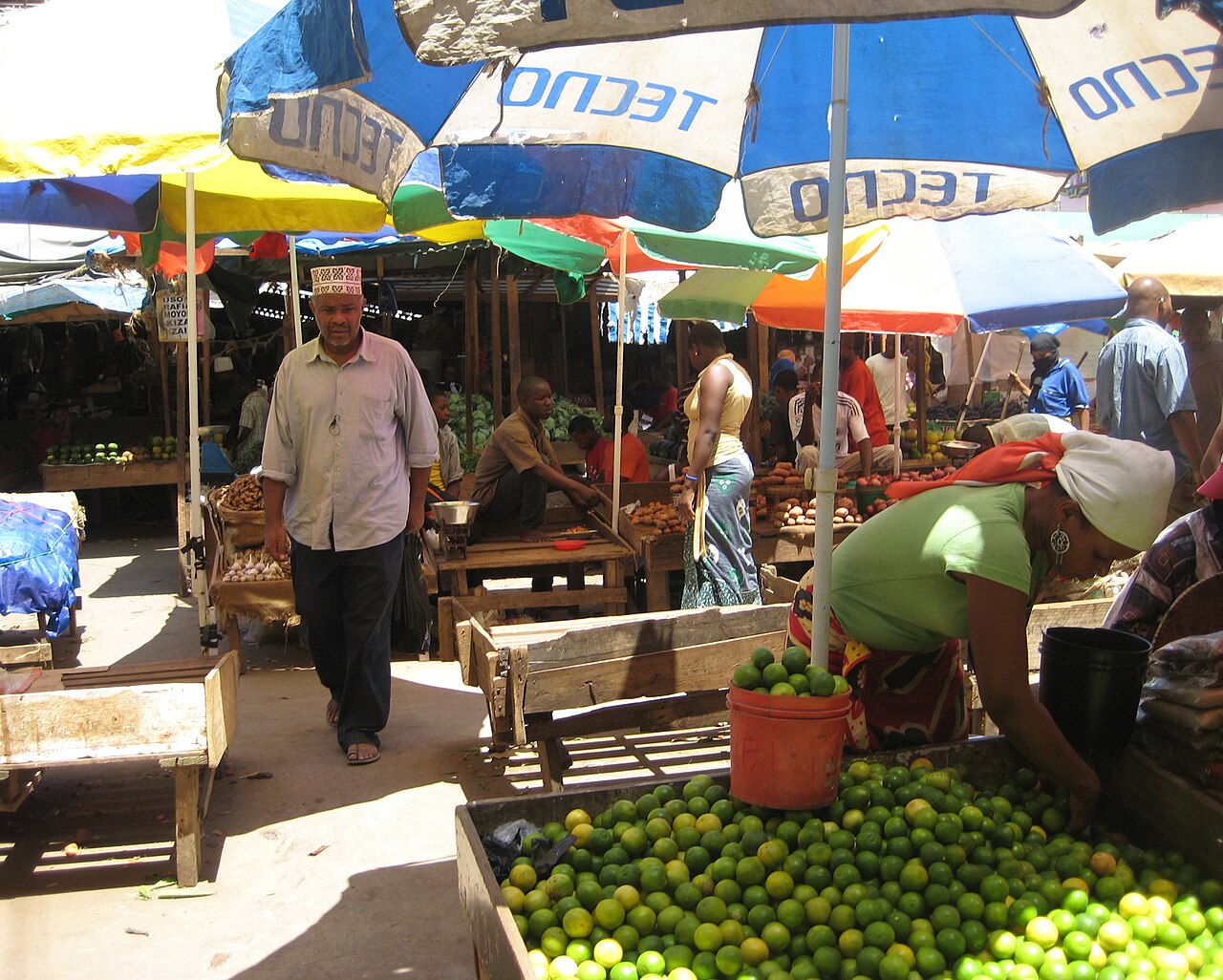
Image credit: Wikimedia Commons/public domain.