
Summary
This Evidence Note from the One Health Hub synthesises current evidence on zoonotic disease and provides actionable, policy-relevant insights to support more effective prevention, preparedness, and response efforts. It examines the key drivers and impacts of zoonotic disease, including the ways in which globalization and increasing interactions between people, animals, and ecosystems create new opportunities for disease emergence and transmission. The note highlights the growing importance of surveillance, monitoring, and predictive systems in reducing zoonotic risks and strengthening early warning capabilities. Recognizing that zoonotic diseases arise at the intersection of human, animal and ecosystem health, it demonstrates the value of a One Health approach and considers the political, institutional, and governance challenges that can affect its implementation.
Impacts of zoonotic disease
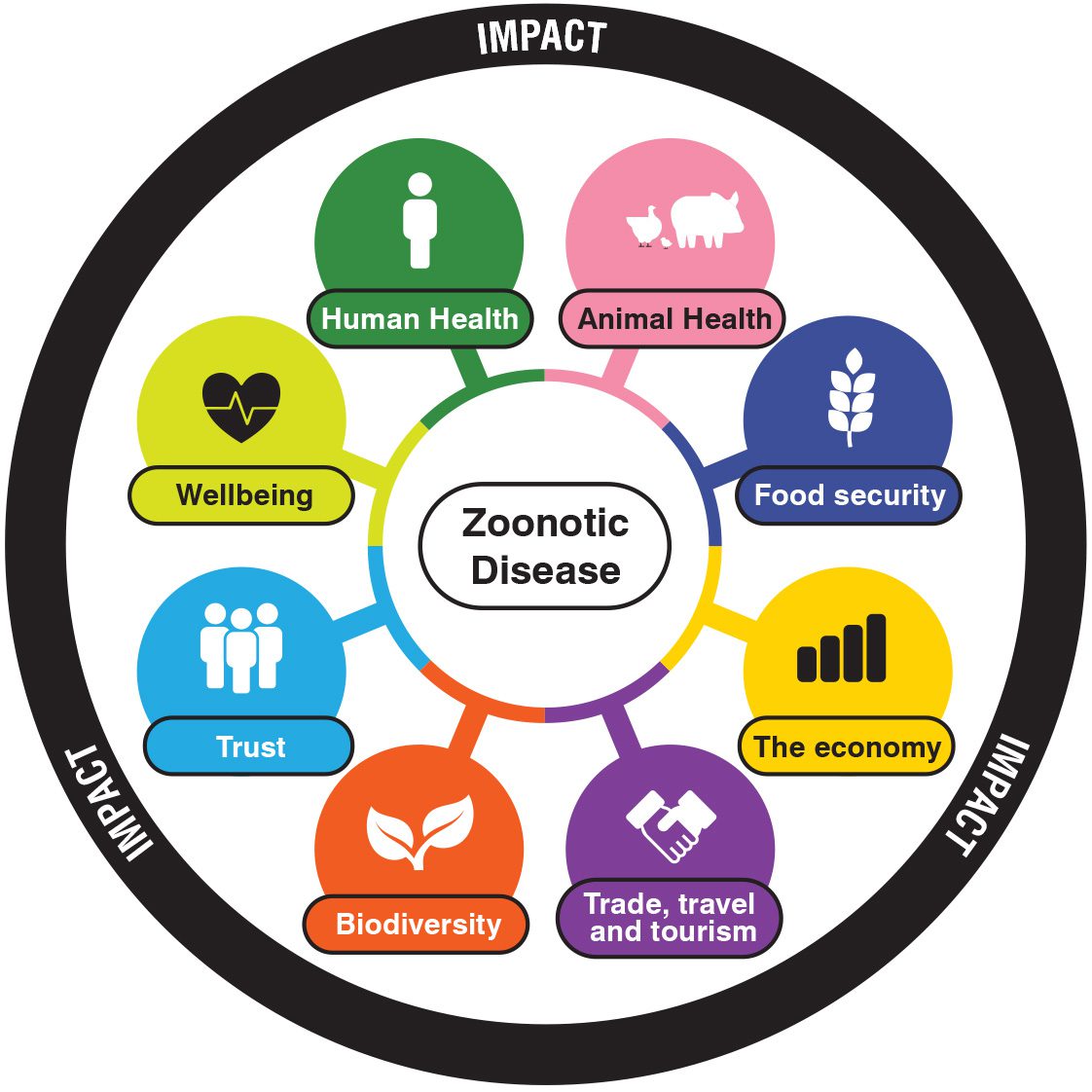
Zoonotic diseases have wide-ranging and often underestimated impacts across health, economies, food systems, ecosystems and social stability.
Factors influencing the emergence and spread of zoonotic disease
Zoonotic disease emergence is driven by complex, interacting environmental, biological and socioeconomic factors that vary by context.
Interventions to prevent and control zoonotic diseases
Effective policy requires a shift from reactive response to targeted, stage-specific prevention across the disease pathway.
Surveillance, monitoring, risk assessment and prediction
Surveillance systems must evolve from passive reporting to integrated, predictive and multi-sectoral risk management.
The need for a One Health approach in zoonotic disease prevention
One Health provides the essential framework for managing zoonotic risk by integrating human, animal and ecosystem health.
Political economy issues in tackling zoonotic disease threats systematically
Political, institutional and economic constraints are major barriers to effective zoonotic disease prevention.
Recommendations
Zoonotic disease risk cannot be eliminated entirely, so policy action should focus on strengthening resilience through coordinated One Health governance, targeted risk management and sustained investment in prevention.
Impacts of zoonotic disease
Zoonotic diseases can have far-reaching consequences that extend beyond human and animal health, affecting economies, trade, travel, and tourism, biodiversity, overall wellbeing, and public trust. The breadth and severity of impacts highlight the urgency of strengthening prevention, preparedness and intervention strategies.
The section shows how impacts extend beyond morbidity and mortality to include major economic losses, disruption in trade and livelihoods, food insecurity, biodiversity impacts and weakened trust. It emphasizes that these impacts disproportionately affect vulnerable populations and are frequently under-recognized because of data gaps.
Cover photo: World Bank / Sambrian Mbaabu
Factors influencing the emergence and spread of zoonotic disease
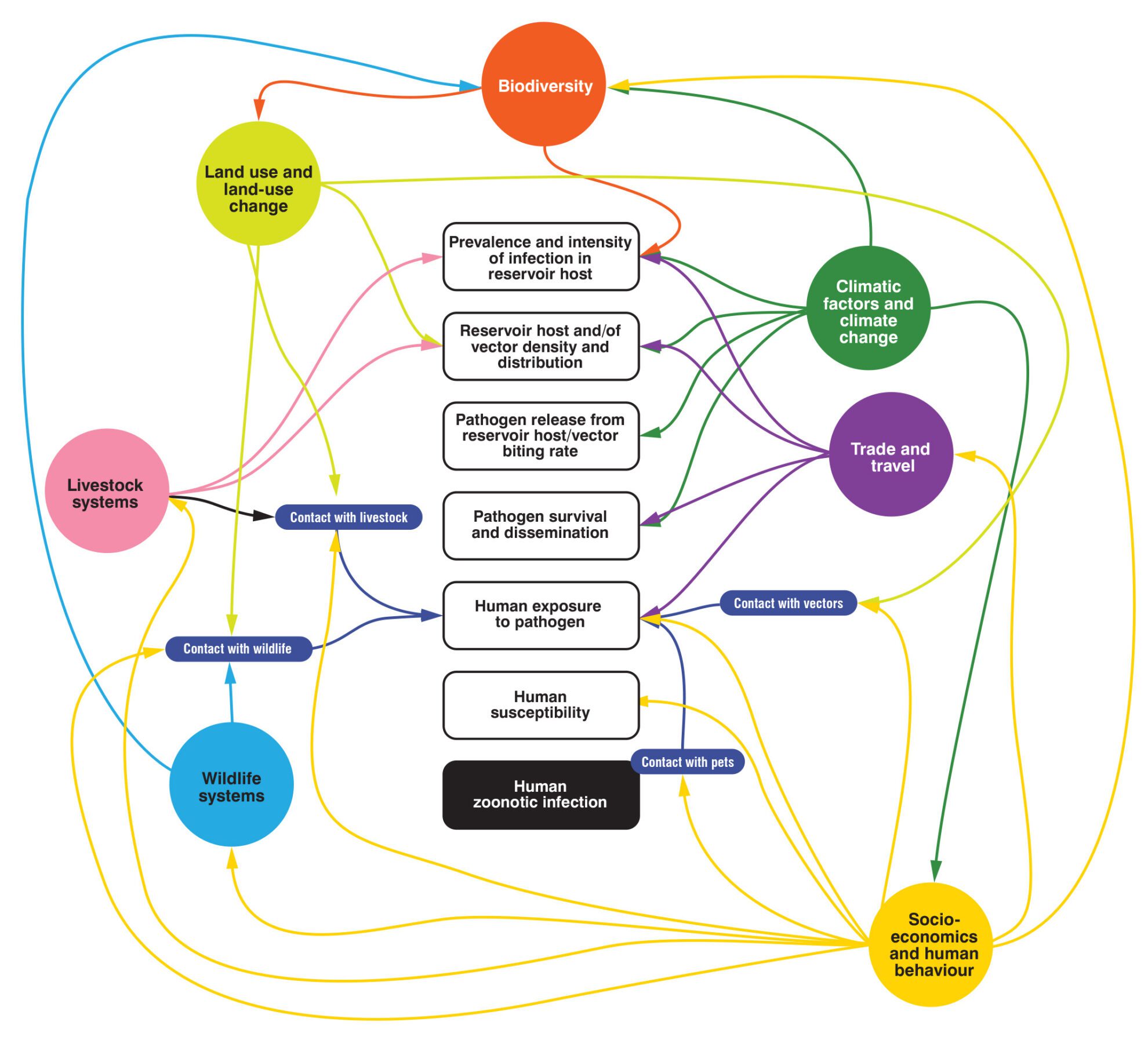
Understanding the factors that influence zoonotic disease occurrence and recurrence, and how changes in these factors may contribute to disease emergence, is important in supporting the design of effective and targeted prevention, mitigation, and control strategies. However, the factors driving the emergence and spread of zoonoses are numerous and often interacting, shaping disease dynamics (i.e. how diseases spread and persist) in both direct and indirect ways. The relative importance of different factors can vary across geographic, environmental, cultural, and political settings, as well as across pathogen types (e.g. virus, bacteria, fungi), pathogen species or sub-species, and host species.
This section explains how patterns of contact between humans, animals and vectors sit at the centre of transmission, shaped by climate, land use, livestock systems, trade and behaviour. It highlights that no single driver predicts disease emergence, and that effective responses must be tailored to specific disease systems and local contexts.
Cover photo: UNICEF Ethiopia 2021/ Demissew Bizuwerk
Interventions to prevent and control zoonotic diseases
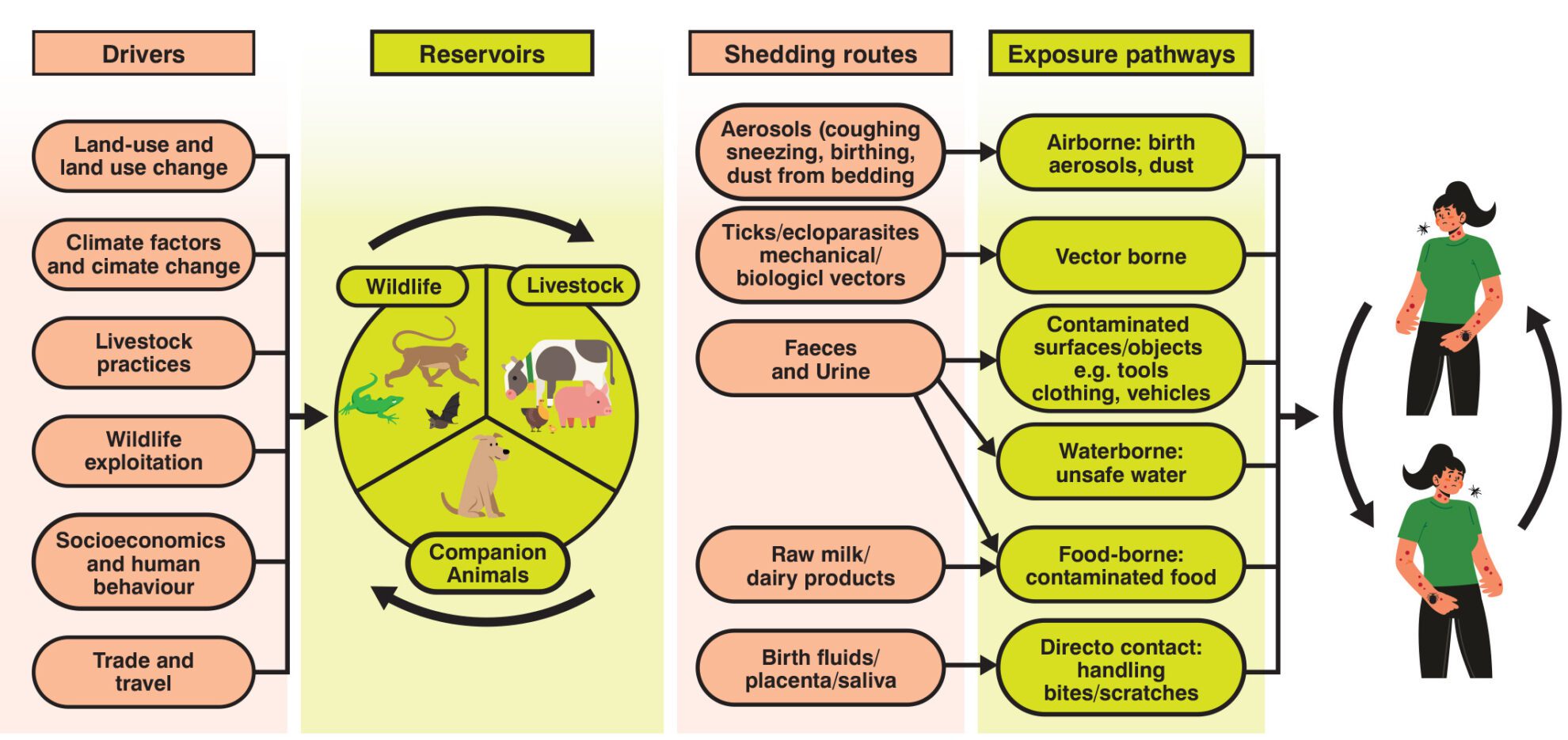
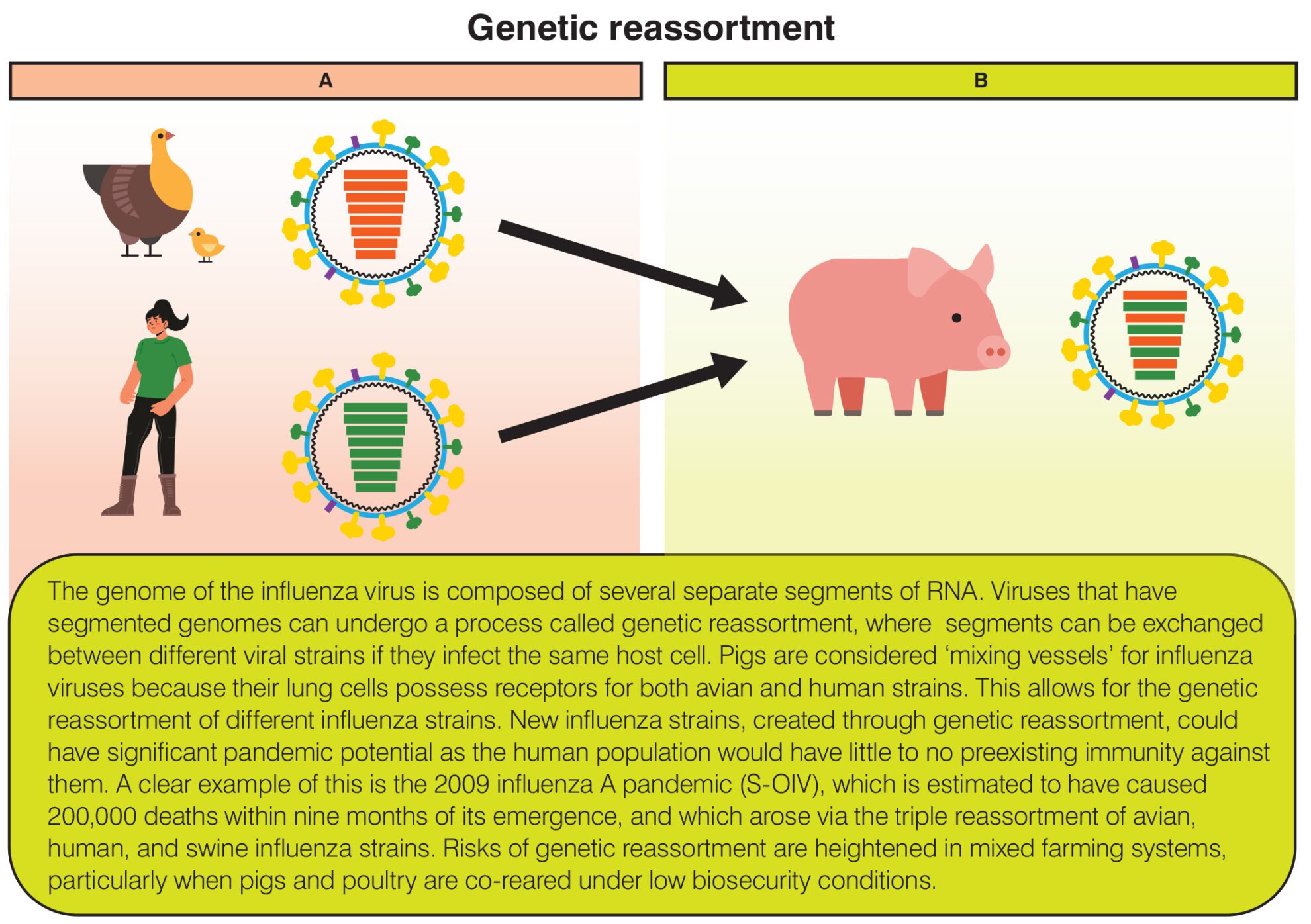
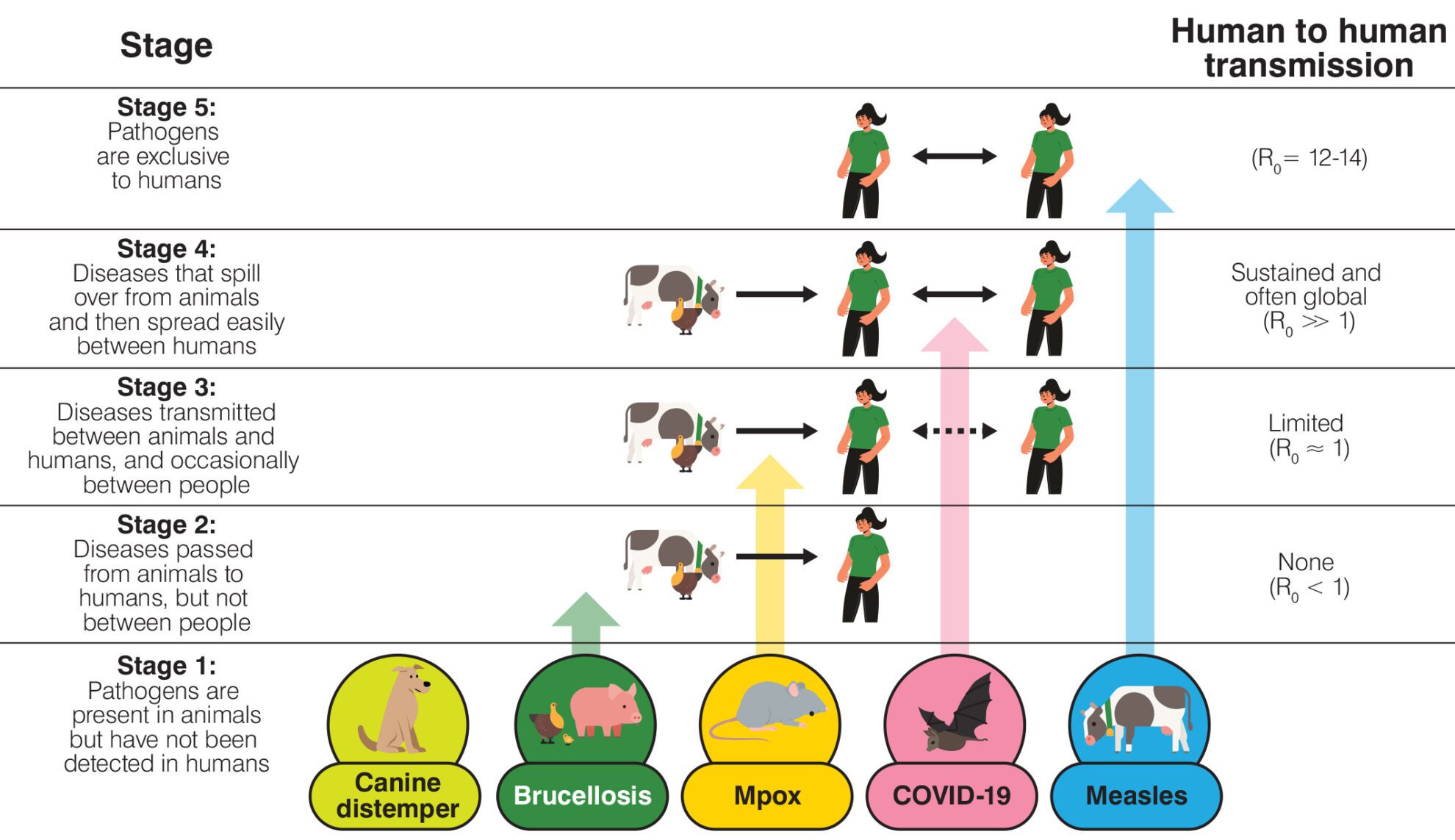
Zoonotic diseases can be caused by a range of infectious agents including viruses, bacteria, fungi, and parasites, and occur in many settings, from farms and natural environments to households, markets, and cities. There are over 200 zoonotic diseases, each differing in their epidemiology (mode of transmission, host range, ecological dynamics), and each presenting with their own challenges, meaning control measures need to be tailored to the specific characteristics of each disease.
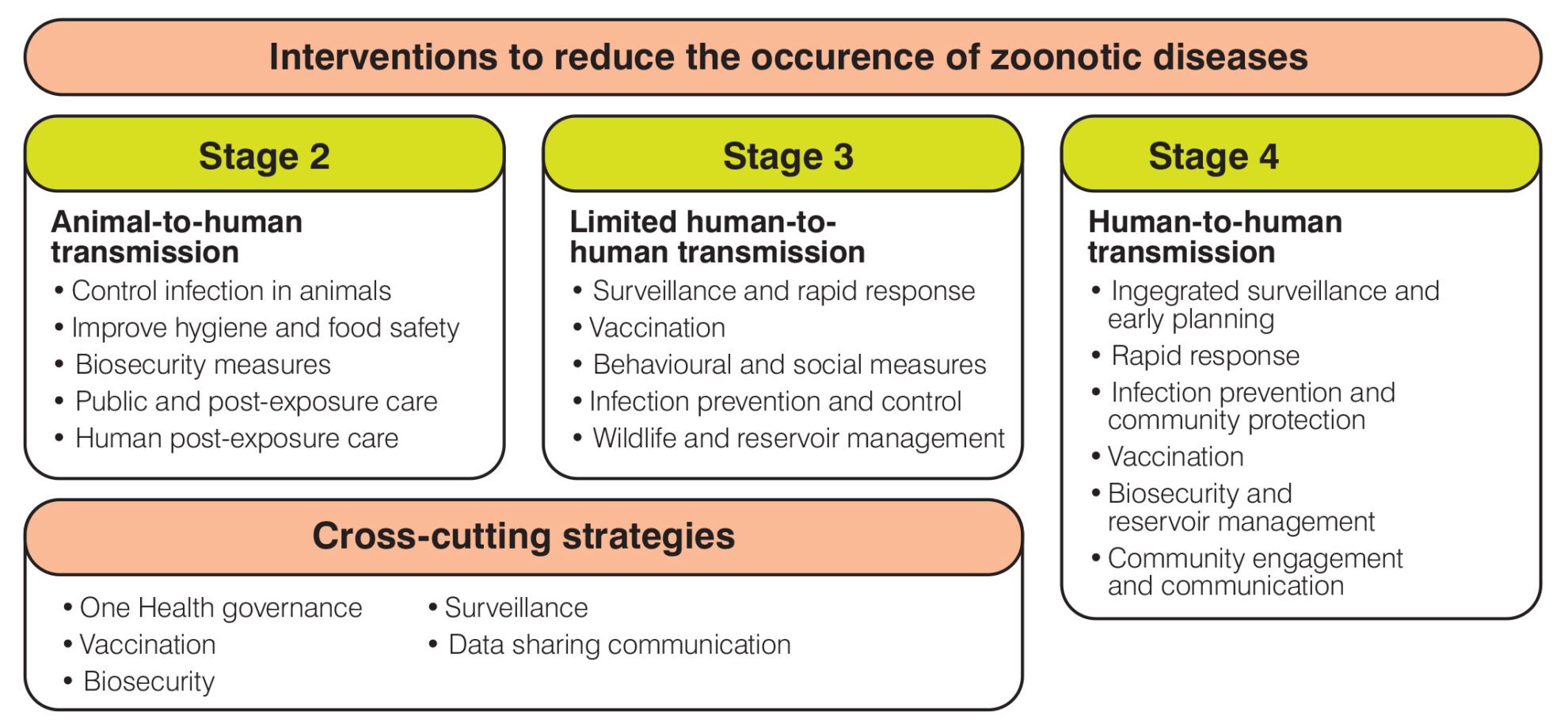
The section introduces the Zoonosis Stage Model to identify where interventions are most effective, from reducing animal to human transmission to managing pandemic threats. It outlines practical tools including vaccination, biosecurity, surveillance, community engagement and wildlife management, emphasising integrated approaches across sectors.
Cover photo: U.S. Air Force photo by Senior Airman Kaitlyn Johnson
Surveillance, monitoring, risk assessment and prediction
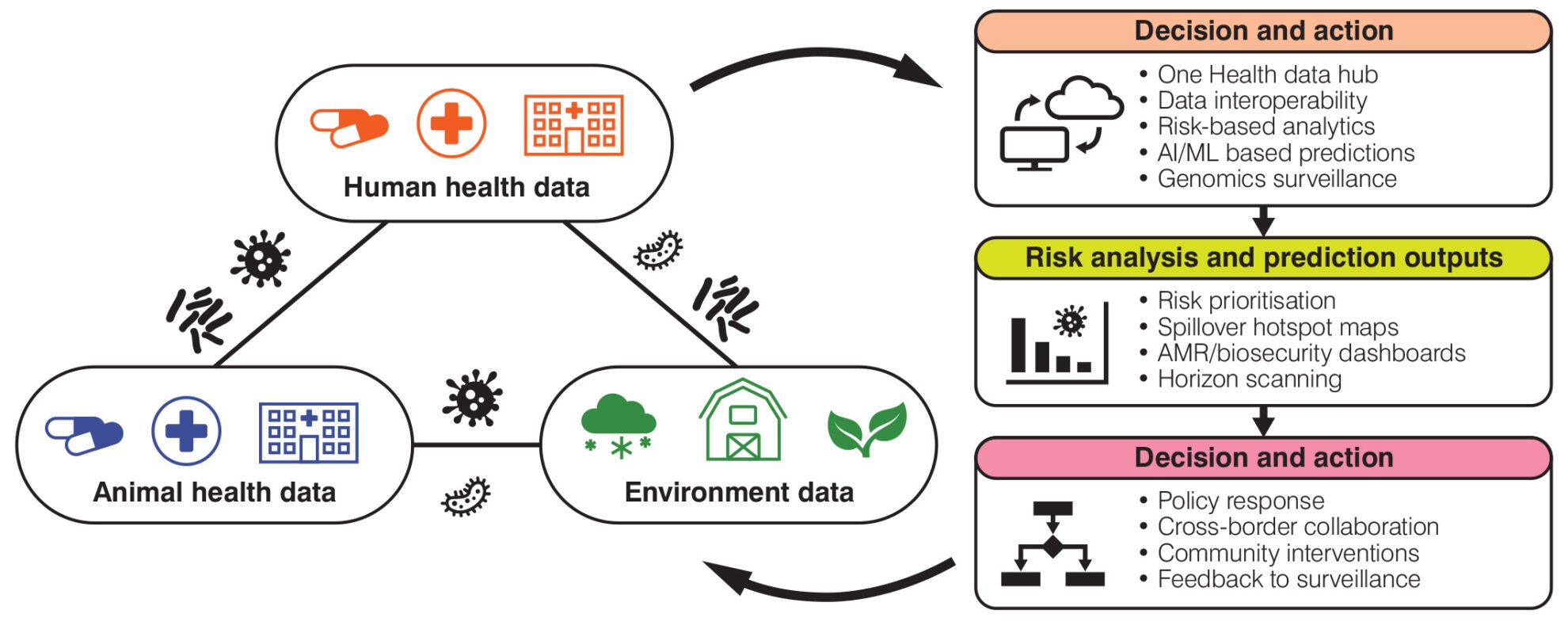
Zoonotic threats are escalating with the increase in human–animal–environment interactions, meaning that it is becoming more important to have surveillance systems that are able to anticipate disease emergence rather than merely documenting disease events. Traditional surveillance systems, such as passive, indicator-based, or notifiable disease reporting, are essential but can often be slow, incomplete, and may miss early ecological or behavioural signals.
This section describes how combining human, animal and ecosystem data can enable earlier detection and more targeted interventions. It also explores the growing role of genomics, AI and real-time data systems, alongside the governance and capacity required to make them effective and equitable.
Cover photo: Biruk Alemu
The need for a One Health approach in zoonotic disease prevention
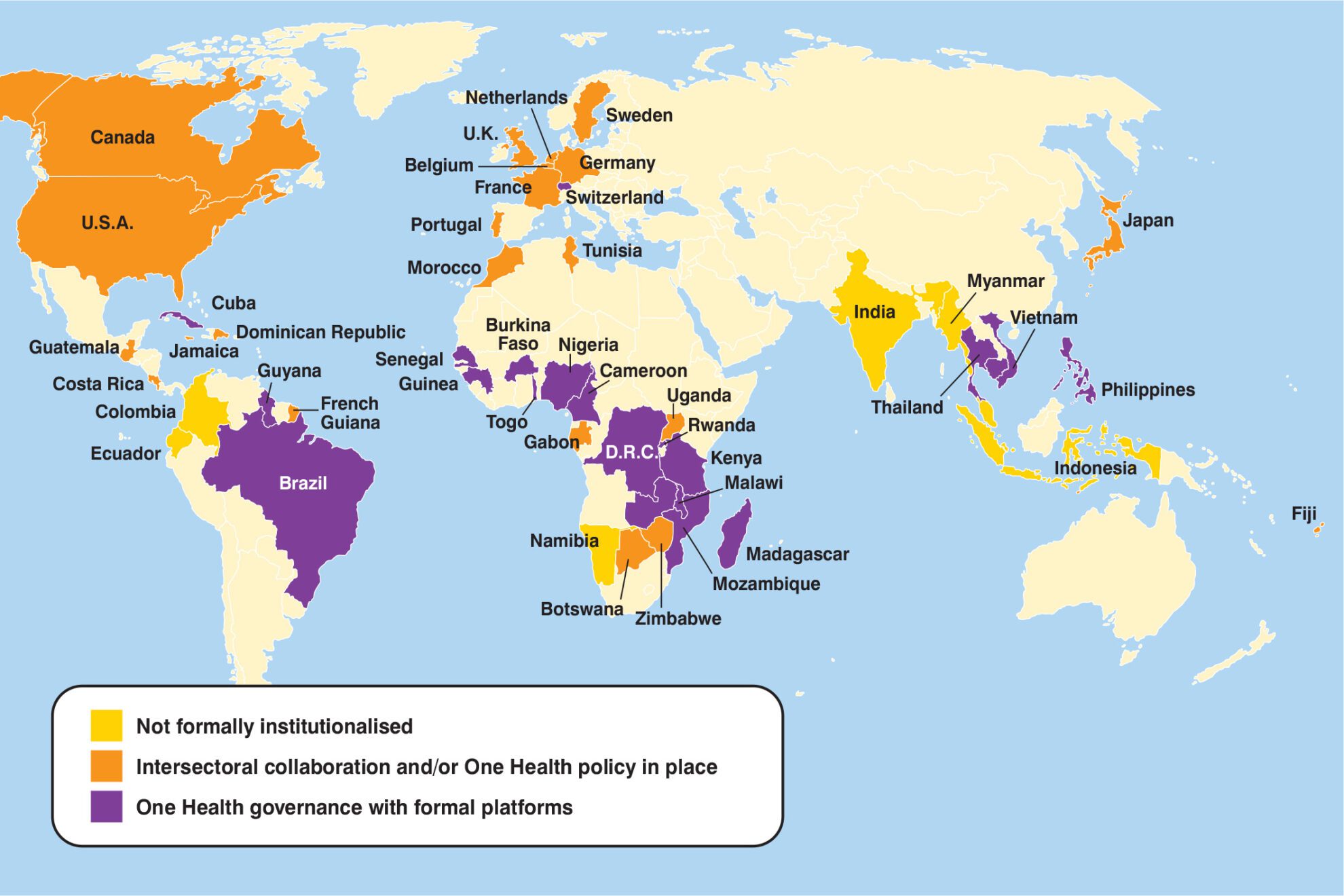
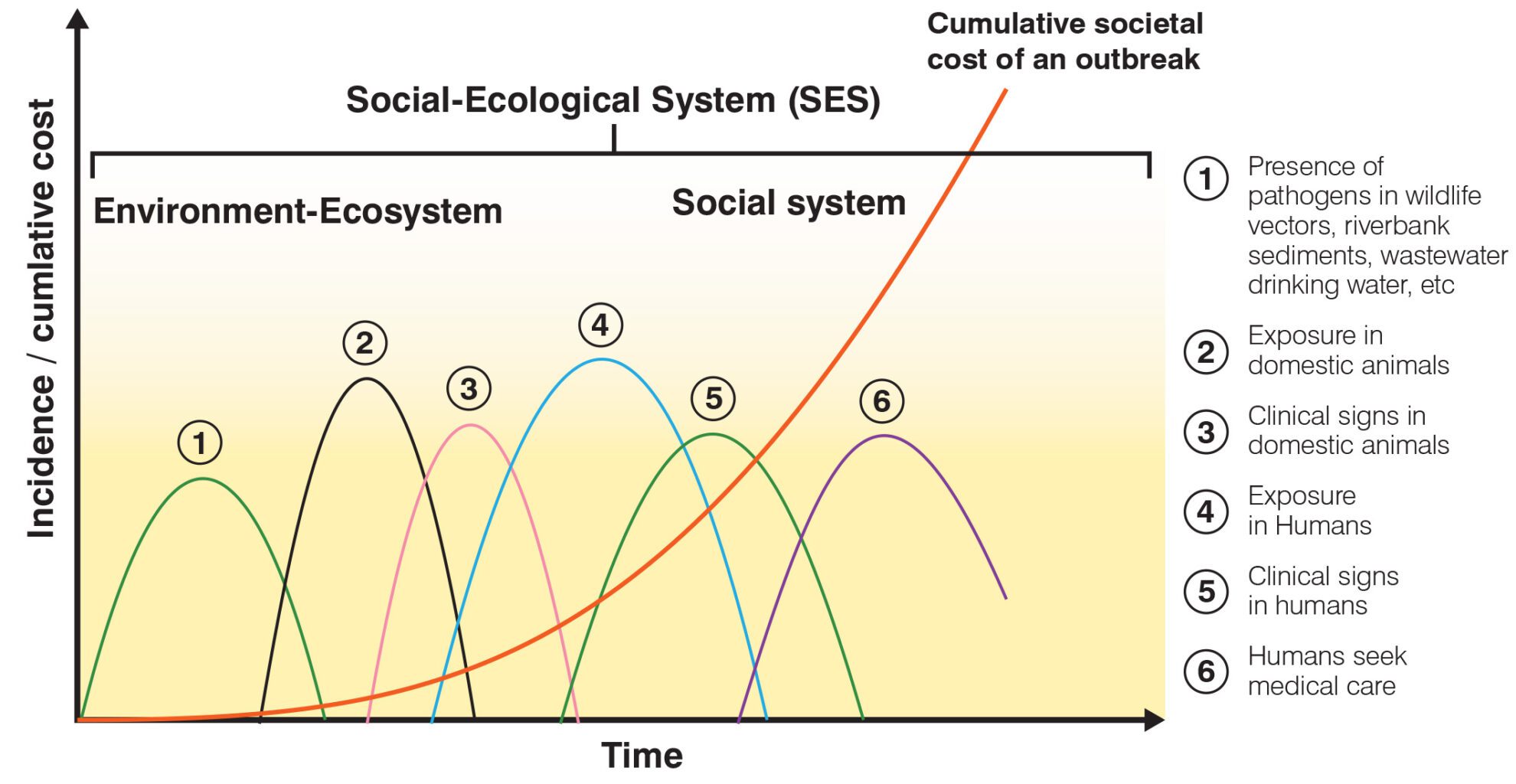
The emergence and re-emergence of zoonotic diseases are shaped by complex interactions within social ecological systems (SES) with numerous transmission pathways16 and multiple drivers, reinforcing the need for coordinated and preventative action. In this context, a One Health approach is essential for effectively addressing zoonotic disease risks. One Health is an integrated unifying approach that recognises that ‘the health of humans, domestic and wild animals, plants, and the wider environment (including ecosystems) are closely linked and interdependent’ and must be addressed together. It is now widely accepted as essential for preventing zoonotic disease, improving food security, and strengthening resilience to global health threats.
The section outlines how One Health is being operationalised globally and where implementation gaps remain, particularly in governance, financing and workforce capacity. It shows that cross-sector coordination and alignment with climate, biodiversity and development agendas are critical for sustained impact.
Cover photo: Sylvain Liechti / MINUSMA
Political economy issues in tackling zoonotic disease threats systematically
Zoonotic diseases pose escalating global threats, as underscored by recent pandemics. Fragmented governance, competing political and economic interests, and uneven political power may result in countries and institutions underinvesting, despite the clear benefit–cost ratio of investing in preparedness. The requirements for preparedness — a sound legal framework, trained health workforce, surveillance systems, laboratories, and multisectoral coordination — span multiple ministries and funding streams, making alignment both politically and institutionally difficult.
This section examines challenges such as fragmented governance, underinvestment in prevention, and misaligned incentives across sectors. It highlights the importance of framing zoonotic risk as a development and economic issue, and of balancing disease control with livelihoods and equity considerations.
Cover photo: Gary Sauer-Thompson

Recommendations
The highly complex nature of global SES means that human exposure to zoonotic diseases cannot be prevented entirely. Policy efforts must therefore focus on strengthening resilience and managing risk. This will require coordinated One Health governance, targeted action at key leverage points, and sustained, equitable investment in prevention through cross-sector collaboration.
This section sets out practical, policy-relevant recommendations for reducing zoonotic disease threats across socioecological systems. It identifies key leverage points for action, including upstream prevention, international coordination, safer trade, stronger regulation, community engagement, vaccination, biosecurity, sub-national risk assessment and global One Health governance, while recognizing that implementation requires shared responsibility across governments, international organizations, the private sector and local actors.
Cover photo: Sylvain Liechti / MINUSMA
Acknowledgements
This evidence note was commissioned by the Foreign, Commonwealth and Development Office of the UK Government to expand and update a previous internal note produced in 2020 and updated in 2023.
This work was carried out under the auspices of the One Health Hub, a project managed by CABI, with funding from UK International Development from the UK government. However, the views expressed do not necessarily reflect the UK government’s official policies.